TINUBU AND ATIKU TRADE BLOWS OVER NIGERIA’S ECONOMIC HARDSHIP AS 2027 CAMPAIGN HEATS UP
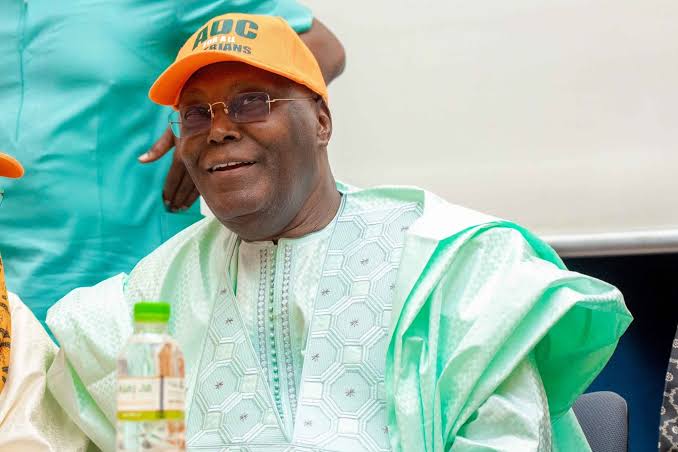
President Bola Tinubu and former Vice President Atiku Abubakar have clashed over responsibility for Nigeria’s economic hardship after Tinubu told supporters at his October 24 campaign launch in Kaduna that opposition politicians created the country’s hunger and poverty. Atiku responded that the APC has controlled the federal government since 2015 and accused Tinubu of attempting to avoid responsibility for the effects of his administration’s policies. Independent economic data show a mixed picture: Nigeria has recorded stronger reserves, fiscal revenues and declining inflation, but poverty remains widespread and households continue to face high food, transport and fuel costs.
President Bola Ahmed Tinubu and former Vice President Atiku Abubakar have opened a sharp new front in Nigeria’s 2027 presidential campaign after the president blamed opposition politicians for the hunger and poverty confronting millions of Nigerians, prompting Atiku to describe the claim as delusional and accuse the ruling All Progressives Congress of attempting to escape responsibility after more than a decade in control of the federal government. The exchange followed Tinubu’s formal presidential campaign flag-off in Kaduna on Saturday, October 24, where the president defended his economic reforms, asked voters for a second term and argued that his administration was trying to solve economic problems created before he took office.
Speaking before thousands of APC supporters at the Kaduna Township Stadium, Tinubu said his opponents had repeatedly spoken about hunger and poverty without acknowledging what he described as their own responsibility for creating the conditions now affecting Nigerians. The president told the gathering that his government was working to eradicate those problems and promised that a second term would deliver prosperity, continuity and progress. His remarks came as the ruling party officially launched its campaign for the 2027 presidential election, turning Nigeria’s cost-of-living crisis into one of the first major points of confrontation in the national contest.
Tinubu also defended his administration’s record by pointing to regular salary payments, infrastructure projects and what he described as development efforts by APC governors. He urged supporters not to accept opposition claims about the economy uncritically and presented his administration’s reforms as difficult but necessary measures intended to restore stability after years of structural economic problems. The president has repeatedly argued that policies such as the removal of the petrol subsidy and changes to Nigeria’s foreign-exchange system were unavoidable if the country was to improve government finances, attract investment and end expensive distortions that had become increasingly difficult to sustain.
Atiku responded within hours through a statement issued by Phrank Shaibu, Director of Strategic Communication for his presidential campaign. The former vice president rejected Tinubu’s attempt to assign responsibility for hunger and poverty to opposition politicians, arguing that the APC had governed Nigeria for eight years under former President Muhammadu Buhari before Tinubu took office in May 2023 and had now controlled the federal government for roughly 11 years. Atiku said Nigerians knew which political party had exercised national power during that period and argued that the government could not blame the opposition simply for drawing attention to the hardship households were experiencing.
Atiku described Tinubu’s statement as either delusion or political amnesia and said the administration should answer questions about its own economic record instead of directing responsibility toward parties currently outside federal power. He argued that ordinary Nigerians were evaluating the government not through campaign speeches but through food prices, transport costs, fuel prices, exchange rates, household incomes and the ability of businesses to operate. His response reflects the strategy opposition parties are expected to pursue throughout the campaign by linking the president directly to the economic consequences of the reforms introduced after 2023.
The dispute centers on a genuine economic contradiction that is likely to define much of the presidential election. Nigeria has recorded significant improvements in several macroeconomic indicators since Tinubu began implementing major reforms, but those improvements have not translated equally into relief for ordinary households. International institutions including the World Bank have acknowledged stronger fiscal revenues, improved foreign reserves, greater exchange-rate flexibility and easing inflation while simultaneously warning that poverty remains widespread and that real household incomes have not fully recovered.
Tinubu entered office in May 2023 and almost immediately announced the end of Nigeria’s long-standing petrol subsidy, a policy that had kept fuel prices artificially low but cost the government enormous sums each year. The government also moved toward a more market-driven foreign-exchange regime after years in which multiple exchange rates distorted trade and encouraged arbitrage. Supporters of the reforms said both changes were needed to stabilize public finances and rebuild investor confidence, but their immediate effect was a sharp increase in transport, energy and imported-goods costs.
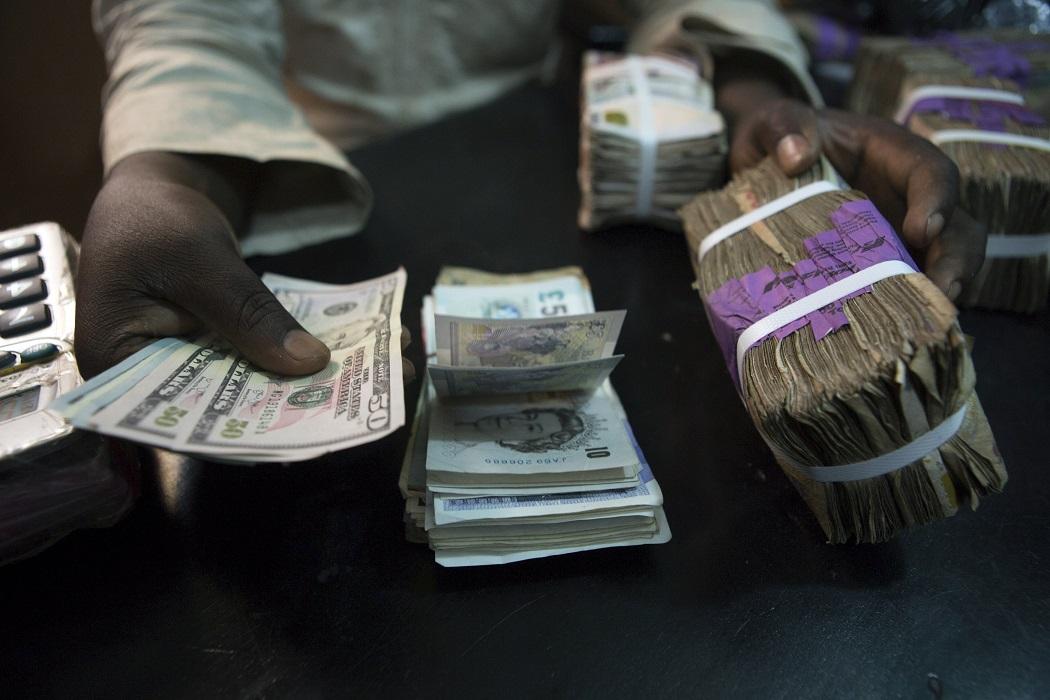
The naira subsequently weakened substantially against the United States dollar. Atiku cited the currency’s movement from roughly ₦471 to more than ₦1,300 to the dollar as evidence of deterioration under Tinubu. Central Bank of Nigeria data show the official Nigerian Foreign Exchange Market rate at approximately ₦1,329 to the dollar in late September 2026. The depreciation has made imported machinery, pharmaceuticals, food products, industrial inputs and other foreign goods more expensive, contributing to the pressure felt by businesses and consumers.
Tinubu’s government argues that the earlier exchange-rate system was unsustainable and concealed rather than solved Nigeria’s currency problems. Officials say the reforms have reduced the gap between official and parallel-market rates, improved foreign-exchange transparency and helped rebuild international reserves. The administration also points to renewed portfolio investment and stronger external accounts as evidence that painful reforms are beginning to improve the underlying economy.
The World Bank’s October 2026 Nigeria Development Update provides support for parts of that argument. The institution says economic growth has remained resilient, higher oil prices have strengthened government revenues and external balances, and macroeconomic stability has improved. Nigeria’s gross foreign reserves reached about $51.9 billion by the end of July, while the current-account surplus rose to approximately $5 billion in the first quarter of 2026. Those figures show that some indicators have moved in a direction economists would normally consider favorable.
Inflation has also fallen significantly from the extreme levels recorded during the earlier phase of the reform period. The Central Bank currently lists headline inflation at approximately 15.4%, while the World Bank says inflation had declined considerably from earlier peaks. That improvement is important because sustained inflation reduction can eventually support stronger real incomes, lower borrowing costs and more predictable business planning.
However, a lower inflation rate does not mean that prices have returned to where they were before the crisis. It means prices are increasing more slowly. Food, transport, rent, electricity and other essential expenses remain significantly higher than they were several years ago, leaving many households with reduced purchasing power even as inflation declines. That distinction has become politically important because the government frequently points to improving inflation numbers while opposition politicians emphasize that families still face historically high price levels.
Fuel prices have become an especially powerful symbol of the hardship. Reuters reported that petrol was selling for around ₦1,400 to ₦1,500 per litre in September 2026, a dramatic difference from the subsidized prices Nigerians paid before the reform program. The administration argues that the previous subsidy primarily benefited wealthier consumers and encouraged smuggling while draining federal resources that could otherwise fund infrastructure and social programs. Critics counter that removing it without sufficient public transport, wage support and social protection transferred a large portion of the adjustment directly onto households.
The World Bank’s assessment captures both sides of the argument. It says Nigeria has made meaningful progress in restoring macroeconomic stability but stresses that growth remains insufficient to create enough productive jobs or substantially reduce poverty. More than 60% of Nigerians were estimated to be living below the national poverty line in 2025, while the institution’s projections have indicated that the poverty rate remains extraordinarily high in 2026.
Atiku seized on those poverty estimates in his response to Tinubu, accusing the administration of presiding over worsening living conditions. He argued that the government could not claim credit for macroeconomic reforms while dismissing the social consequences those reforms have imposed. His campaign is attempting to make the election a direct judgment on whether the economic stabilization pursued by Tinubu has produced enough benefits to justify the sacrifices demanded from citizens.
Tinubu’s political argument is different. The president portrays the hardship as the result of decades of economic mismanagement, low productivity, overdependence on oil, poorly targeted subsidies and governments that postponed difficult reforms. By that reasoning, his administration inherited structural problems that could no longer be ignored and chose to confront them even though the transition would initially be painful.
That argument is likely to become one of the central questions of the 2027 campaign: how much responsibility belongs to inherited economic weaknesses and how much belongs to the design and implementation of policies introduced under Tinubu. Nigeria’s economic problems did not begin in 2023, but neither can the consequences of policies adopted since then be separated entirely from the current administration.
The APC governed Nigeria for eight years under Muhammadu Buhari before Tinubu took office. During that period, the country experienced two recessions, persistent unemployment, weak productivity growth, foreign-exchange shortages and increasing fiscal pressure from subsidies and debt-service obligations. Supporters of Tinubu argue that many of the problems confronting his government accumulated during and even before the Buhari era, while Atiku points out that both administrations belonged to the same ruling party.
The opposition’s argument therefore relies heavily on political continuity. Atiku says it is difficult for the APC to portray itself as inheriting Nigeria’s problems from opponents when the party has controlled the presidency since 2015. He argues that even if earlier governments made mistakes, the ruling party has had more than a decade to address them and must now accept responsibility for the outcomes of its own policies.
Tinubu’s camp can counter that a political party remaining in power does not mean each administration follows identical economic policies. Tinubu’s decision to eliminate the fuel subsidy and overhaul the exchange-rate system represented major departures from some of the practices maintained under Buhari. The current president therefore presents himself as correcting problems that previous governments, including an APC government, had failed to confront decisively.
That distinction could become important as Tinubu seeks to simultaneously claim continuity with APC rule and distance himself from aspects of the economic system he inherited. His campaign is expected to argue that structural reforms require time and that reversing them prematurely could return Nigeria to the fiscal and currency pressures that prompted the changes in the first place.
Atiku, meanwhile, is attempting to focus the election on lived experience rather than macroeconomic theory. His campaign says voters will evaluate Tinubu based on what they can afford in markets, what they pay to travel, whether wages cover household expenses, whether businesses can access credit and whether families feel more secure economically than they did several years ago.
The former vice president also attacked Tinubu over the Abuja-Kaduna Expressway, accusing the president of planning to commission an unfinished road from inside a stadium. Atiku argued that infrastructure cannot be completed through speeches and ribbon-cutting ceremonies and said the episode demonstrated what he described as a disconnect between government presentation and conditions experienced by citizens.
The Tinubu administration has defended its infrastructure record and argues that road projects, rail investments and other capital spending are part of a broader effort to improve productivity and economic integration. Supporters say infrastructure improvements can reduce transportation costs and create longer-term economic benefits even where projects are delivered in phases.
Atiku also raised questions about public expenditure, including previous budget extensions, spending categorized under energy security and expenditures linked to the Nigerian National Petroleum Company. His statement challenged the administration to explain how public funds were used and what measurable outcomes Nigerians received in return.
Those allegations should be distinguished from established findings of wrongdoing. Atiku is demanding explanations and using expenditure figures as part of a political challenge to the government; his claims do not by themselves prove that money was misappropriated. The administration and relevant agencies would need to provide detailed expenditure records, audits or other evidence before conclusions could be drawn about specific transactions.
Tinubu’s economic record also includes areas where independent institutions have acknowledged progress. The World Bank says fiscal revenues have strengthened, external balances have improved and inflation has eased considerably. Investor confidence has also benefited from greater exchange-rate transparency and reforms intended to reduce long-standing distortions.
The problem for the president is that macroeconomic stabilization and political satisfaction are not the same thing. Governments are often judged by the effect of economic policies on households, and Nigeria’s adjustment has been particularly severe because fuel, food and transport account for large shares of family expenditure. A recovery measured through reserves, revenues and external accounts may therefore take longer to produce political benefits if wages and living standards remain under pressure.
The Central Bank has maintained tight monetary policy in an attempt to contain inflation and stabilize the currency. High interest rates can help reduce price pressures and support the naira, but they also make borrowing more expensive for businesses and households. Small companies seeking working capital or expansion financing may therefore continue to face difficult conditions even as overall economic indicators improve.
Nigeria also needs much faster job creation. The World Bank estimates that about 3.5 million people enter the labor force every year, placing enormous pressure on the economy to generate employment opportunities. Growth that does not produce enough productive jobs will struggle to reduce poverty meaningfully, regardless of improvements in government revenue or foreign reserves.
That challenge is particularly important for young Nigerians. High living costs combined with limited formal employment opportunities have contributed to increased migration, informal work and public frustration. Both Tinubu and Atiku will therefore need to explain not only how they intend to stabilize the economy but how their policies will translate into jobs, wages and opportunities for younger voters.
Tinubu has framed his second-term campaign around continuity. His argument is that the difficult adjustment phase is beginning to produce results and that abandoning the reform program now would waste the sacrifices Nigerians have already made. The administration points to declining inflation, stronger reserves, infrastructure investment and improved government revenues as evidence that the economy is moving toward a more sustainable foundation.
Atiku’s strategy is to challenge the assumption that citizens should continue waiting for those gains to reach them. He argues that an economic policy cannot be judged successful if poverty remains widespread and basic goods remain unaffordable for millions of people. The former vice president is attempting to turn every major economic indicator into a question about household welfare.
The contest is further complicated by Nigeria’s security challenges. Kidnapping, banditry, rural attacks and the continuing Islamist insurgency affect agricultural production, transportation, private investment and food prices. Atiku accused the government of failing to adequately address killings and displacement, while Tinubu maintains that security operations have improved and that his administration is strengthening the armed forces and police.
Economic hardship and insecurity are closely connected. Farmers who cannot safely reach their land produce less food, businesses operating in dangerous regions face higher costs and transporters may have to pay more for security or avoid certain routes. Any credible economic recovery strategy therefore depends partly on improving security across affected regions.
The Kaduna rally itself carried political symbolism because northern Nigeria will be crucial in the election. Tinubu sought to demonstrate organizational strength in the region while reminding supporters of the votes he received there in 2023. Atiku, a former vice president from Adamawa State, retains deep political networks across the north and is expected to compete aggressively for the same electorate.
Tinubu won the presidency in 2023 with about 8.7 million votes, ahead of Atiku’s approximately 6.9 million and Peter Obi’s roughly 6.1 million. The fragmented result demonstrated how divided Nigeria’s electorate had become and ensured that coalition-building and regional turnout would remain central to future campaigns.
The opposition landscape has since changed. Atiku is contesting under the African Democratic Congress, while Peter Obi remains another major opposition figure. The existence of multiple opposition candidates could become an important feature of the 2027 race, although the final balance of the contest will depend on campaigning, alliances and voter turnout.
What cannot yet be responsibly determined is who will ultimately benefit politically from the economic debate. Opinion surveys, campaign crowds and public frustration can provide information about voter sentiment, but they do not establish the outcome of an election months in advance. The campaign is still developing, and Nigeria’s political environment can change significantly before voting.
What is already clear is that the economy will be at the center of the contest. Tinubu is asking Nigerians to judge his government by the structural reforms it has implemented and the macroeconomic stability it says those reforms are beginning to deliver. Atiku is asking voters to judge the same government by purchasing power, poverty, food prices and the everyday consequences of those policies.
Both narratives contain elements supported by economic evidence. Nigeria has improved foreign reserves, fiscal revenue and some measures of macroeconomic stability, while inflation has fallen from earlier peaks. At the same time, poverty remains high, fuel prices have risen dramatically and households continue to face significant cost-of-living pressure.
The political disagreement therefore lies less in whether Nigerians have experienced hardship and more in who should bear responsibility, whether the sacrifices have been justified and how long citizens should wait before expecting the benefits of reform to become visible in their daily lives.
Tinubu says his opponents helped create the poverty and hunger his government is now trying to eliminate. Atiku says the APC has held federal power for more than a decade and can no longer convincingly shift responsibility to parties outside government. That disagreement is likely to recur throughout the campaign because it captures the wider argument voters will be asked to consider when assessing the country’s economic direction.
The coming months will provide more evidence with which Nigerians can evaluate both sides. Inflation, the naira, fuel prices, wages, employment, government revenue and poverty indicators will continue to evolve before the presidential election. Any meaningful judgment on the administration’s economic record will therefore require examining both macroeconomic stabilization and whether those gains are translating into improved living standards.
For now, the Kaduna confrontation has established the tone. Tinubu is presenting his administration as the government willing to make difficult decisions to correct decades of economic weakness, while Atiku is portraying the same policies as evidence that the ruling party has imposed severe hardship and is now looking for others to blame. With Nigeria’s cost-of-living crisis still affecting millions of households, the argument over who created the problem and who can solve it has moved from economic policy into the center of the 2027 presidential campaign.