TINUBU HONORS 25 NAF CRASH VICTIMS, APPROVES ABUJA HOMES AND ₦100 MILLION FINANCIAL SUPPORT FOR BEREAVED MILITARY FAMILIES
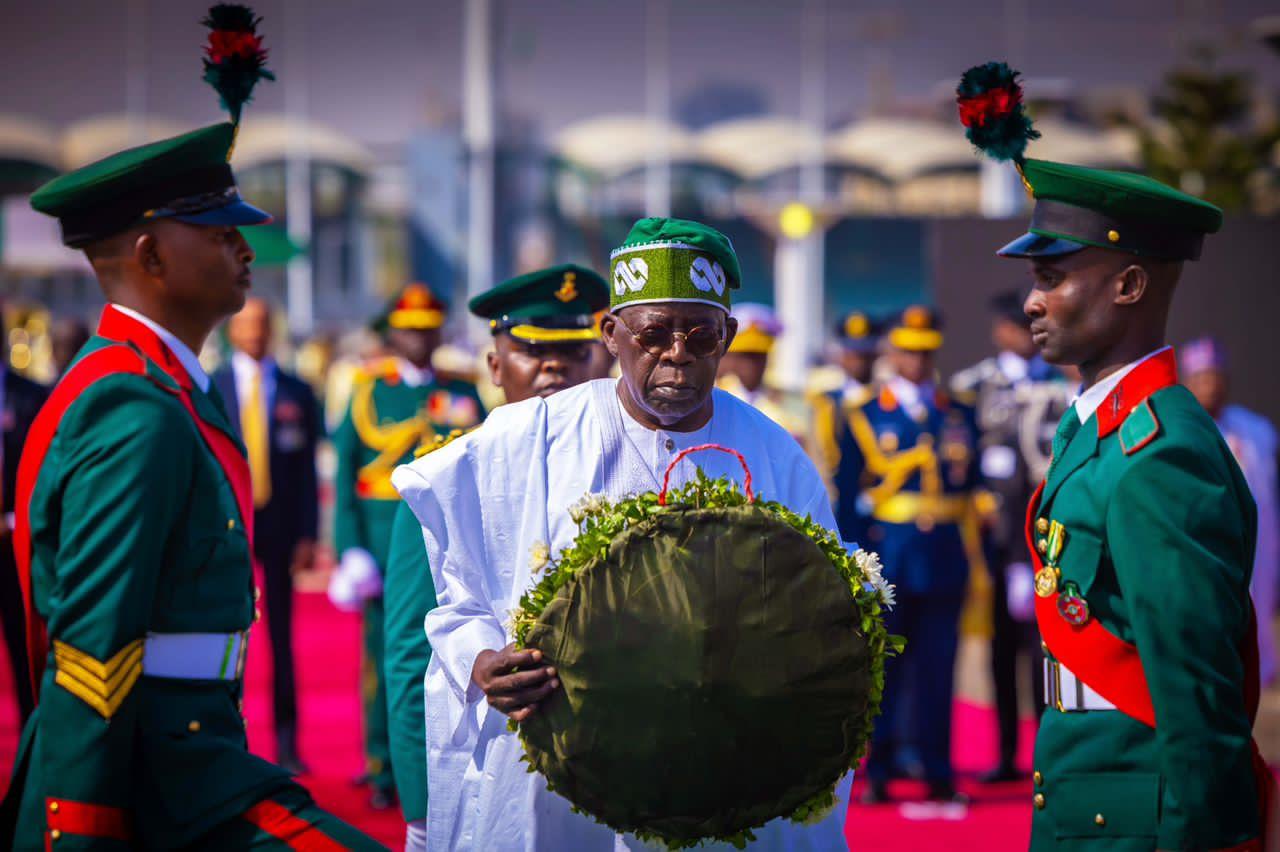
President Bola Ahmed Tinubu has honored the 25 victims of the Nigerian Air Force NAF 931 aircraft crash, approving three-bedroom apartments at the Renewed Hope Housing Estate in Karsana, Abuja, for their bereaved families and announcing ₦100 million in financial assistance for each eligible military family. The president made the announcement during a memorial service and wreath-laying ceremony at the National Military Cemetery in Abuja on Thursday, November 26, 2026. The aircraft crashed on October 5 near Igbokoda, Ondo State, while traveling from Benin City to Lagos. Tinubu pledged a comprehensive investigation into the accident and improvements in military and civilian aviation safety, while Chief of the Air Staff, Air Marshal Sunday Kelvin Aneke, reaffirmed the Nigerian Air Force's commitment to supporting affected families and strengthening operational safety.
President Bola Ahmed Tinubu has announced a substantial welfare and compensation package for the families of victims of the Nigerian Air Force NAF 931 aircraft crash, paying tribute to the 25 people who lost their lives in the October 5, 2026, tragedy in Igbokoda, Ondo State. Speaking during a memorial service and wreath-laying ceremony at the National Military Cemetery in Abuja on Thursday, November 26, the president approved the allocation of three-bedroom apartments at the Renewed Hope Housing Estate in Karsana, Abuja, to the immediate families of both military personnel and civilians who died in the accident. Tinubu also announced financial assistance of ₦100 million for bereaved military families, while pledging a comprehensive investigation into the circumstances surrounding the crash. The ceremony brought together senior government officials, military commanders and grieving relatives in a solemn acknowledgment of the lives lost and the sacrifices associated with national service.
The president described the accident as a painful national tragedy that had left families confronting an immense personal loss while depriving the Nigerian Armed Forces of valued personnel. Addressing relatives of the deceased, Tinubu acknowledged that many of the victims had families, professional ambitions and personal aspirations that were abruptly ended by the disaster. He emphasized that the consequences of the crash extended beyond the military institution, affecting children who would grow up without their parents, spouses who had lost their partners and relatives who would never again be reunited with their loved ones. The president maintained that the government's responsibilities toward those families must continue long after the conclusion of the memorial ceremony.
According to the official statement issued by Bayo Onanuga, Special Adviser to the President on Information and Strategy, the housing allocations will be provided through the federal government's Renewed Hope Housing Estate in Karsana. Each of the 25 bereaved families is expected to receive a three-bedroom apartment, with the president explicitly extending the housing benefit to the immediate relatives of civilians who were aboard the aircraft. The provision represents an attempt to address one of the most significant long-term financial responsibilities confronting households following the death of a primary breadwinner. However, the government has not yet published a detailed timetable establishing when the properties will be formally transferred to the beneficiaries.
The financial component of the support package has attracted considerable attention because of the amount announced by the president. Although the Presidency's written statement broadly described the ₦100 million payment as support for each bereaved family, Tinubu's quoted remarks specifically referred to the deceased military officers when announcing the cash assistance. Several Nigerian news organizations, including Punch and Nigerian Tribune, reported that the payment would cover the families of the 19 military personnel who died in the accident. Further clarification from the Presidency or the Nigerian Air Force may therefore be necessary to establish whether the immediate families of the six civilian victims will also receive the same financial benefit.
The distinction between the housing allocation and the financial assistance is particularly important given the government's commitment to supporting all those affected by the tragedy. The president's announcement expressly includes civilian families in the housing program, recognizing that the consequences of the disaster were not confined to serving members of the Armed Forces. However, the precise eligibility arrangements for the monetary payments remain an issue requiring administrative clarification. Establishing those arrangements transparently would help prevent uncertainty among bereaved relatives who are already confronting substantial emotional and financial difficulties.
Tinubu acknowledged that no financial payment or housing allocation could replace the lives lost in the accident. He described the government's intervention as a practical expression of national gratitude, emphasizing that families who bear the consequences of military service deserve meaningful assistance rather than ceremonial recognition alone. His remarks placed particular attention on the obligation of the government to support the dependents of individuals who lose their lives while contributing to national security and public service. The president also reaffirmed his administration's commitment to improving the welfare, training, equipment and operational preparedness of the country's Armed Forces.
The memorial ceremony was especially emotional because the authorities had experienced difficulties recovering the remains of those who died in the aircraft accident. Tinubu acknowledged that the circumstances surrounding the recovery efforts had made the grieving process considerably more difficult for affected relatives. For families unable to undertake traditional burial arrangements or receive the remains of their loved ones, the memorial provided a collective opportunity to honor the deceased. The ceremony included prayers, tributes and the laying of wreaths, allowing military colleagues and government representatives to express solidarity with those affected by the disaster.
The Chief of the Air Staff, Air Marshal Sunday Kelvin Aneke, also addressed the gathering, assuring relatives that the Nigerian Air Force would continue supporting them beyond the official memorial. Aneke emphasized that the service recognized the profound consequences of losing colleagues whose professional responsibilities were connected to the country's defense and security operations. He also presented Nigerian national flags to the next of kin of deceased Air Force personnel, a symbolic recognition of their service and sacrifice. The presentation formed part of the military honors associated with the commemoration of the fallen personnel.
Senior figures from Nigeria's political, military and security establishments attended the memorial, reflecting the national significance attached to the tragedy. Among those present were Senate President Godswill Akpabio, National Security Adviser Nuhu Ribadu, Minister of Defence and retired General Christopher Musa, and Ondo State Governor Lucky Aiyedatiwa. The ceremony was also attended by Chief of Army Staff Lieutenant General Waidi Shaibu, Chief of Naval Staff Vice Admiral Idi Abbas, Inspector General of Police Olatunji Disu and senior representatives of the country's intelligence and emergency management institutions. Their presence underscored the extent to which the loss had affected the wider national security community.
The accident occurred on October 5, 2026, when a Nigerian Air Force ATR-42 aircraft identified as NAF 931 crashed near a naval facility in the Igbokoda area of Ondo State. The aircraft was traveling from Benin City to Lagos on a military flight when the disaster occurred. Initial official communications indicated that 32 people, comprising 25 passengers and seven crew members, were aboard the aircraft. Subsequent reporting established that 25 people died, including military personnel and civilians, although the complete circumstances surrounding the accident remain subject to investigation.
The crash immediately prompted an emergency response and generated widespread concern across Nigeria, particularly because of the number of personnel involved. Tinubu expressed condolences following the initial reports and ordered an investigation into the circumstances surrounding the disaster. The president subsequently declared a three-day national mourning period in recognition of the lives lost. Thursday's memorial represents a further stage in the government's response, bringing renewed attention to both the welfare of the victims' families and the responsibility of authorities to establish what caused the aircraft to crash.
The investigation into the accident remains one of the most significant outstanding issues confronting the Nigerian Air Force and the federal government. Tinubu assured the bereaved families that the circumstances surrounding the crash would be thoroughly examined and that the findings would inform measures intended to improve aviation safety. He pledged to strengthen operational procedures and institutional accountability while addressing any weaknesses identified through the investigation. The president's commitment reflects the importance of establishing a reliable factual account of the accident rather than relying on speculation concerning possible technical or operational failures.
Air Marshal Aneke similarly reaffirmed the Nigerian Air Force's commitment to conducting a comprehensive and transparent investigation. The Air Force chief indicated that the organization would examine the circumstances surrounding the incident while continuing to prioritize the welfare of its personnel and their families. His assurances are significant because the effectiveness of an aviation investigation depends not only on identifying the immediate cause of an accident but also on determining whether broader institutional improvements are necessary. As of November 26, no definitive public investigation report establishing the cause of the NAF 931 crash had been identified.
Aircraft accident investigations generally involve the examination of maintenance documentation, operational records, weather information, available flight data and other evidence relevant to the circumstances of an incident. Investigators may also assess organizational procedures and the decisions that preceded a flight to determine whether contributing factors existed. Such inquiries are intended to establish how an accident occurred and identify measures capable of reducing the likelihood of similar incidents. However, the relevance of any particular factor to the NAF 931 disaster cannot be established until investigators have completed their examination and released appropriate findings.
The distinction between identifying an accident's cause and assigning responsibility is equally important. Aviation disasters can result from a combination of circumstances rather than a single identifiable failure, and an investigation may uncover institutional or operational issues requiring corrective action without necessarily establishing criminal misconduct. Public speculation about the condition of the aircraft, the conduct of its crew or the adequacy of its maintenance would therefore be premature in the absence of verified findings. The government's promise of a transparent investigation provides an important opportunity to establish those facts through an appropriate technical process.
The tragedy has also renewed attention to the broader challenges associated with maintaining military aviation capabilities. Air forces depend on reliable aircraft, adequately trained personnel, effective maintenance systems and comprehensive safety management arrangements to carry out their responsibilities. The operational demands placed on military aircraft can be substantial, particularly in countries where armed forces are engaged in multiple security operations and logistical assignments. Maintaining high safety standards consequently requires sustained investment in equipment, personnel development, infrastructure and institutional oversight.
Nigeria's security challenges have placed considerable demands on the Armed Forces over recent years. Military personnel have been deployed in operations involving insurgency, organized criminal activity, kidnapping and other threats affecting communities across different regions of the country. The Nigerian Air Force plays an important role in supporting those operations through aerial surveillance, transportation, reconnaissance and other military functions. The loss of experienced personnel can therefore have consequences extending beyond the immediate tragedy, affecting professional relationships, institutional experience and the operational responsibilities of the service.
However, the October 5 accident was reported as an aircraft crash during a military flight rather than a confirmed hostile attack. Authorities have not publicly established that the aircraft was brought down by an armed organization or that the tragedy resulted from deliberate external interference. Maintaining that distinction remains important in reporting the incident, particularly given Nigeria's wider security environment and the possibility of unsupported claims circulating following military disasters. The investigation remains the appropriate mechanism for determining the circumstances responsible for the crash.
Beyond questions of aviation safety, the president's compensation announcement has placed renewed emphasis on the welfare of military families. The death of a serving officer or other military employee can create immediate financial difficulties for surviving relatives, particularly where the deceased was responsible for housing expenses, children's education, healthcare costs and other household obligations. Although military pension arrangements, insurance benefits and other institutional support mechanisms may provide assistance in certain circumstances, their effectiveness depends on timely administration and the individual family's eligibility.
The provision of permanent housing could significantly reduce one category of financial pressure confronting the beneficiaries of the government's latest intervention. Housing costs can consume a substantial portion of household income, particularly in Abuja, where accommodation expenses remain a major concern for many residents. A three-bedroom apartment could provide a more stable environment for surviving spouses, children and other dependents. The long-term value of the allocation will nevertheless depend on the completion of the properties, the transfer of appropriate ownership documentation and the ability of beneficiaries to access and maintain their new homes.
The location of the allocated apartments within the Renewed Hope Housing Estate connects the welfare package to the federal government's wider housing development program. The initiative has been presented by the administration as part of its efforts to expand access to residential accommodation and address the country's housing needs. Allocating units to families affected by the NAF 931 tragedy represents a specific application of that program for individuals who have experienced exceptional personal loss. The government has not announced whether beneficiaries will have the option of receiving alternative accommodation if their existing family, employment or educational arrangements make relocation to Abuja impractical.
The monetary assistance could also provide beneficiaries with resources to meet immediate and future household obligations. Depending on individual circumstances, the funds may help surviving relatives address educational expenses, medical bills, outstanding debts or other financial responsibilities previously carried by the deceased. However, the government's announcement should not be interpreted as confirmation that the funds have already been deposited into beneficiaries' accounts. An approved financial commitment and the actual disbursement of that assistance are distinct administrative developments.
The Nigerian Air Force and the relevant government institutions will therefore have important responsibilities in implementing the president's directives. These may include confirming beneficiaries, establishing appropriate administrative arrangements and ensuring that the housing and financial assistance reach their intended recipients. Clear communication concerning eligibility, documentation and delivery timelines could help reduce uncertainty for grieving families. The sensitivity of the circumstances also makes it important for those procedures to be conducted without imposing unnecessary administrative burdens on individuals who are already coping with bereavement.
The welfare of surviving children represents another important consideration following the disaster. Children who lose a parent may experience significant emotional distress alongside disruptions to their financial circumstances, educational opportunities and family routines. While financial compensation can provide resources to address some of those challenges, appropriate psychological support and sustained educational assistance may also be necessary. The long-term needs of affected families can differ considerably, making individualized support particularly valuable where households include young children or other vulnerable dependents.
Military colleagues who worked alongside the deceased may similarly require assistance in coping with the emotional consequences of the accident. The loss of multiple personnel in a single incident can affect the morale and psychological well-being of individuals who shared professional responsibilities and personal relationships with the victims. Memorial ceremonies provide opportunities for collective remembrance, but ongoing institutional support may also be important in helping surviving personnel process their grief. Recognizing those needs forms part of a broader approach to military welfare that extends beyond physical safety and financial compensation.
The government's response has also renewed discussion about whether comprehensive and predictable welfare arrangements should be available to all military families facing comparable circumstances. High-profile compensation announcements can provide substantial assistance to particular beneficiaries, but consistent institutional policies remain important for ensuring that families affected by other military deaths receive appropriate support. Establishing reliable mechanisms for administering pensions, insurance benefits, housing assistance and educational support could reduce the dependence of bereaved households on individual discretionary announcements.
Such considerations do not diminish the significance of the package announced at Thursday's memorial. Rather, they highlight the broader opportunity to strengthen the institutional arrangements through which Nigeria recognizes and supports the dependents of deceased military personnel. The experiences of families affected by NAF 931 could provide useful information about the effectiveness of existing support systems and identify areas requiring improvement. The government's commitment to military welfare will ultimately depend on both the implementation of individual interventions and the development of sustainable administrative arrangements.
Tinubu's pledge to improve military and civilian aviation safety also carries implications extending beyond the Nigerian Air Force. Although military aviation operates within a distinct institutional environment, lessons arising from accident investigations can contribute to broader discussions concerning maintenance practices, safety management, personnel training and emergency response. Strengthening coordination between relevant aviation and emergency management institutions may help improve preparedness for future incidents. Any specific reforms, however, should be informed by the findings of the investigation rather than assumptions about the causes of the October disaster.
The involvement of Ondo State Governor Lucky Aiyedatiwa in the memorial also reflects the relationship between national military operations and the communities in which aviation accidents occur. Incidents involving aircraft can require cooperation between federal security agencies, state authorities, emergency responders and local communities. The availability of appropriate emergency resources and effective coordination mechanisms can influence the speed and effectiveness of rescue and recovery operations. Evaluating those arrangements may form part of the broader institutional lessons arising from the NAF 931 accident.
For the relatives of the deceased, Thursday's ceremony represented an important acknowledgment that the country recognizes the significance of their loss. The tributes paid by the president, the presentation of national flags and the gathering of senior military officials provided a formal expression of gratitude to those who died. Yet the difficulties experienced by bereaved families will continue long after the conclusion of the memorial, particularly where surviving dependents must adjust to substantial changes in their personal and financial circumstances. The practical implementation of the government's promises will therefore carry lasting importance.
As attention shifts from the memorial ceremony to the administration of the welfare package, several questions remain outstanding. The government has not provided a detailed public timetable for the transfer of the apartments or the payment of the approved financial assistance. Clarification is also required concerning whether the ₦100 million payment applies exclusively to military families or extends to the relatives of civilian victims. Equally important is the completion of the investigation into the aircraft accident and the publication of findings sufficient to explain the circumstances that led to the loss of 25 lives.
More than seven weeks after the NAF 931 aircraft crashed in Ondo State, Nigeria continues to confront both the human consequences of the tragedy and the institutional responsibilities arising from it. President Tinubu's announcement of housing allocations and substantial financial assistance represents a commitment to supporting families whose lives have been permanently altered by the disaster. The assurances given by the president and the Chief of the Air Staff concerning aviation safety and investigative transparency also establish expectations for meaningful institutional action. The extent to which those commitments are fulfilled will be important in determining whether the government's response delivers the lasting support promised during Thursday's ceremony.
For the families of the 25 victims, the greatest significance of the memorial lies not only in the recognition of their loved ones but also in the assurance that their welfare will remain a national responsibility. The provision of secure accommodation, the timely disbursement of financial support and the completion of a credible accident investigation are practical measures through which that commitment can be demonstrated. Nigeria's tribute to those who died aboard NAF 931 will ultimately be measured through the country's treatment of their surviving dependents and the steps taken to protect the lives of other personnel who continue serving in its Armed Forces. Their sacrifice has left an enduring responsibility that extends well beyond the laying of wreaths at the National Military Cemetery.