
TRUMP ANNOUNCES AI FORCE AND SAYS AI CZAR WILL BE APPOINTED SOON
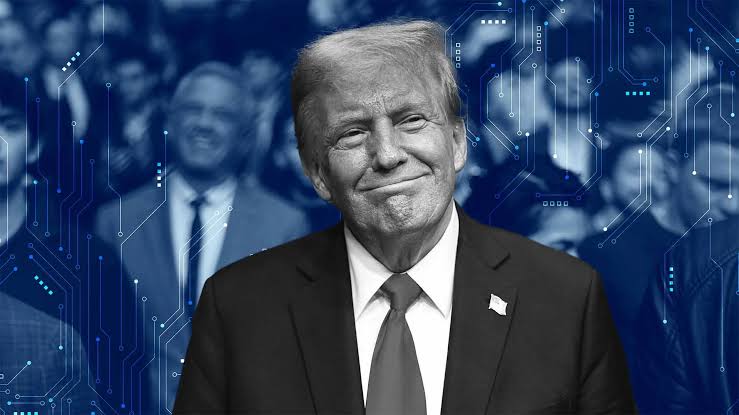
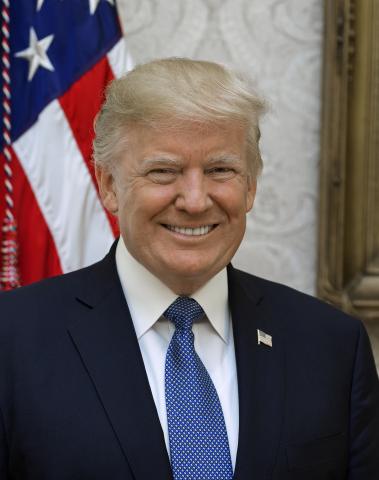
President Donald Trump says he is creating an AI Force to oversee artificial intelligence regulation in the United States and will appoint an AI czar in the near future. Details about the new body's structure, powers and leadership have not yet been announced.
United States President Donald Trump says he is creating an AI Force to oversee artificial intelligence regulation and plans to appoint an AI czar in the near future as his administration increases its focus on the rapidly expanding technology.
Trump announced the initiative on Saturday, September 19, in a post on Truth Social.
The President said his administration wants to oversee the development of artificial intelligence without restricting the growth of an industry increasingly viewed as critical to the economic and technological competition between the United States and China.
Trump did not immediately identify who would lead the proposed AI Force or provide details about its structure, legal authority or relationship with existing federal agencies.
The White House had not provided additional details on the initiative at the time of the initial Reuters report.
TRUMP SAYS GOVERNMENT WILL NOT STIFLE AI
Trump said his administration intends to support the growth of the American artificial intelligence industry while remaining alert to potential harmful uses of the technology.
He said the government would not hinder the industry's development and suggested existing criminal and civil laws could be used to address wrongdoing involving AI.
The announcement comes amid an intensifying debate in Washington over how aggressively the United States should regulate increasingly powerful artificial intelligence systems.
Trump has generally argued against regulations that he believes could weaken American technology companies or slow the country's competition with China.
AI CZAR TO BE NAMED
Trump said an AI czar would be announced in the near future.
He did not identify potential candidates or specify what formal powers the position would carry.
The administration will therefore need to provide further information about whether the AI czar will coordinate policy across federal agencies, oversee the proposed AI Force or assume broader responsibility for national artificial intelligence strategy.
The announcement alone does not establish the AI Force's statutory powers or create detailed new regulations.
Further action from the White House, federal agencies or Congress could be required depending on how the administration intends to structure the initiative.
US PUSHES FOR NATIONAL AI POLICY
The announcement builds on a series of measures taken by the Trump administration to establish a national approach to artificial intelligence.
In March, the White House unveiled a national legislative framework addressing areas including children's safety, energy infrastructure, intellectual property, free speech, workforce development and American competitiveness.
The administration has argued that the United States should avoid conflicting AI rules across individual states and instead establish a more consistent national framework.
Trump has also sought to accelerate American AI development while strengthening cybersecurity and protecting critical infrastructure.
An executive order issued in June directed federal agencies to expand the use of AI enabled cybersecurity tools and establish mechanisms allowing voluntary cooperation between government and developers of advanced AI systems.
AI BECOMES MAJOR US CHINA COMPETITION
The announcement also comes as artificial intelligence becomes an increasingly important issue in relations between Washington and Beijing.
American and Chinese companies are competing to develop more advanced AI models, computing infrastructure and semiconductor technologies.
The United States has imposed restrictions on China's access to some advanced chips and technology used to develop powerful AI systems.
China has simultaneously invested heavily in domestic semiconductor production and artificial intelligence development.
US officials are expected to raise artificial intelligence during discussions with Chinese President Xi Jinping as Trump prepares for talks with the Chinese leader.
DETAILS OF AI FORCE STILL UNCLEAR
Several important questions about Trump's announcement remain unanswered.
The administration has not yet explained how large the AI Force will be, which government departments will participate or whether it will have direct regulatory authority.
It is also unclear how the proposed organisation will interact with existing federal regulators and agencies already responsible for areas affected by artificial intelligence.
The identity and responsibilities of the promised AI czar have also not been announced.
Those details will determine whether the initiative becomes a major new federal AI oversight structure or primarily serves as a mechanism for coordinating policies already spread across the US government.
For now, Trump's announcement signals that artificial intelligence will remain a major economic, regulatory and national security priority for his administration as competition over the technology accelerates globally.