

Trump predicts gas prices will fall below $2 a gallon after midterm elections
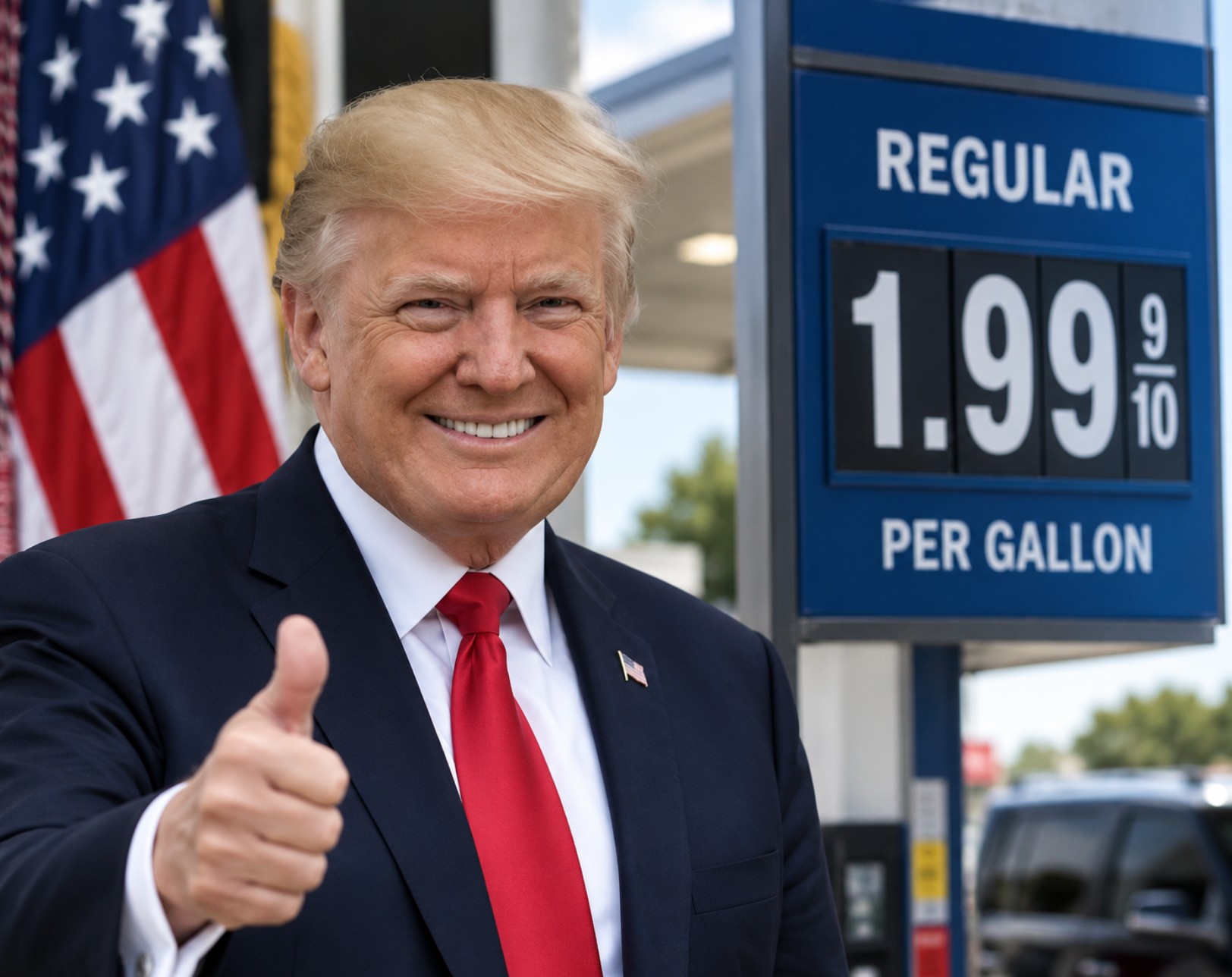
President Donald Trump says US gasoline prices will fall sharply after the November midterm elections and predicts they could eventually drop below $2 a gallon. His forecast comes as the national average stands at about $4.22 and global oil prices have climbed above $100 a barrel amid continued disruption from the Iran conflict.
WASHINGTON — President Donald Trump has predicted that gasoline prices in the United States will fall below $2 a gallon after the November midterm elections, arguing that current high energy costs are linked to the conflict with Iran and efforts to prevent Tehran from obtaining a nuclear weapon.
Trump made the prediction as American motorists continue to face sharply elevated fuel prices and renewed fighting in the Middle East pushes global oil prices higher.
“Right after the election, oil prices are going to be tumbling downward,” Trump said. “They’re going to be tumbling down, and we’ll get them down, I think for gasoline, we’ll get them below $2 a gallon.”
Trump has repeatedly argued that the rise in energy prices is a temporary consequence of the conflict with Iran and has defended the additional cost being borne by American consumers.
He maintains that preventing Iran from acquiring a nuclear weapon outweighs the short term economic impact of higher fuel prices.
The president made a similar prediction earlier this week, saying oil prices would fall sharply after what he described as a US victory in the conflict.
“Three Dollars a gallon, but ultimately, below Two Dollars a gallon,” Trump wrote in a social media post. “It will all happen quickly, and Iran will never have a Nuclear Weapon.”
The prediction comes at a difficult time for American consumers.
According to AAA, the national average price for regular gasoline reached approximately $4.22 a gallon on Wednesday, September 9, significantly higher than a year earlier.
Fuel prices have risen as the conflict in the Middle East disrupts oil production and transportation, particularly through the Strait of Hormuz.
The waterway is one of the world's most important energy shipping routes.
Oil climbs above $100
Trump's prediction of significantly cheaper gasoline comes as oil markets are currently moving in the opposite direction.
Brent crude, the international oil benchmark, climbed above $100 a barrel on Wednesday following another escalation in Middle East hostilities.
US benchmark crude also rose to around $95 a barrel.
The latest increase followed attacks involving oil facilities, tankers and military targets, adding to concerns about the security of energy supplies from the region.
The Iran conflict has already significantly reduced oil movements through the Strait of Hormuz and disrupted Middle Eastern production.
The US Energy Information Administration said global oil inventories have declined by approximately 400 million barrels so far this year as the conflict affects production and exports.
The agency on Wednesday raised its oil price forecasts, projecting Brent crude to average around $91 a barrel in 2026.
It also warned that significant amounts of Middle Eastern production could remain unavailable through the end of the year.
Those conditions make the timing of any substantial decline in gasoline prices difficult to predict.
Trump defends higher fuel costs
Trump has faced increasing pressure over fuel prices as Americans prepare for the November 3 midterm elections.
The president has defended his administration's actions against Iran despite their impact on energy markets.
In previous remarks, Trump acknowledged Americans were paying more at the pump but argued that the additional expense should be viewed in the context of preventing Iran from developing a nuclear weapon.
He has said he will not apologise for pursuing that objective.
Trump has also repeatedly pointed to lower gasoline prices during earlier periods of his presidency as evidence that prices could decline significantly once geopolitical pressures on the oil market ease.
However, gasoline prices are determined by several factors beyond presidential control.
They include global crude oil prices, refinery capacity, seasonal demand, inventories, transportation costs, taxes and geopolitical events.
A president can influence some of those factors through energy, foreign and regulatory policy, but cannot directly set the retail price consumers pay at filling stations.
Trump's prediction of gasoline below $2 a gallon should therefore be regarded as a political and economic forecast rather than a guaranteed future price.
Gas prices become midterm issue
The cost of fuel has become increasingly important politically as Republicans prepare for the November midterm elections.
Higher gasoline prices affect households directly and can also increase transportation and production costs throughout the economy.
Diesel prices have also risen sharply, adding pressure to businesses that rely on trucks to transport food, consumer goods and industrial products.
The national average for diesel reached approximately $5.94 a gallon on Wednesday.
Airlines have also faced higher jet fuel costs, adding another layer of pressure to the transportation sector.
Republicans are seeking to retain control of Congress in the November elections, making inflation and the cost of living central issues during the final weeks of campaigning.
Trump is expected to make his economic record and his administration's energy policies a major part of the Republican campaign.
His latest prediction presents voters with a clear promise that energy prices will decline substantially once the election and the current geopolitical crisis pass.
Whether gasoline can reach the level Trump predicts will depend heavily on developments in the Middle East and global oil markets.
For now, those markets remain volatile.
With Brent crude trading above $100 and significant Middle Eastern production still disrupted, American motorists are continuing to pay more than $4 a gallon on average.
Trump, however, remains confident that the trend will eventually reverse.
His prediction is ambitious. A fall from the current national average of about $4.22 to below $2 would require gasoline prices to decline by more than half.
Whether that happens after the midterm elections will depend on how quickly the Iran conflict and its effects on global energy supplies are resolved.