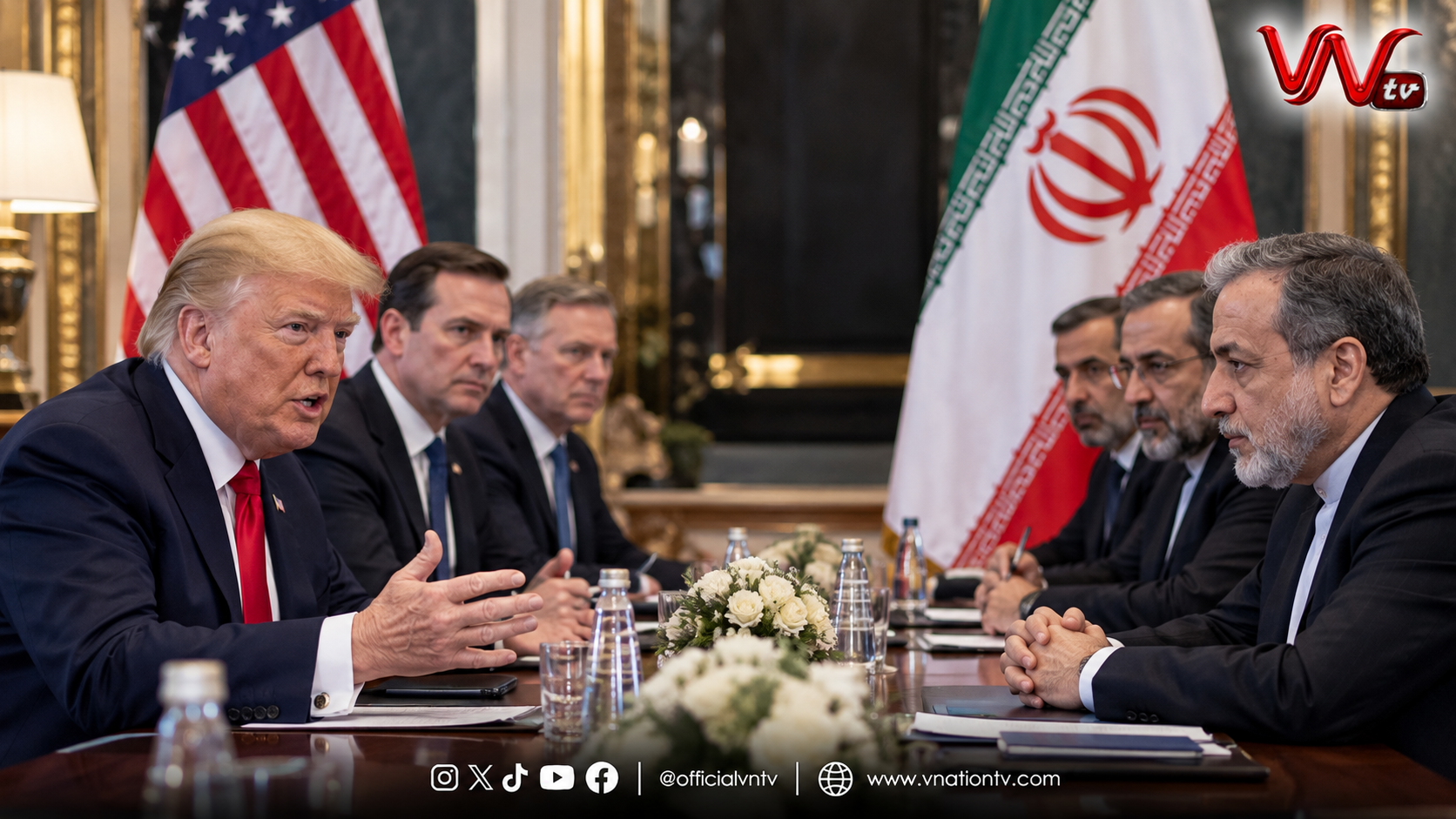

TRUMP ROLLS OUT WHITE HOUSE WELCOME FOR XI BUT AI, TAIWAN AND IRAN THREATEN TO TEST THEIR FRIENDSHIP
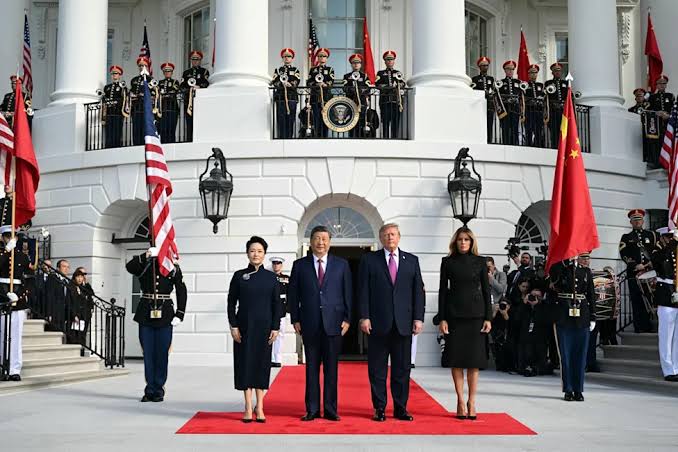
President Donald Trump has formally welcomed Chinese President Xi Jinping to the White House for high stakes talks aimed at stabilizing relations between the world's two largest economies. Despite Trump's emphasis on his personal relationship with Xi and recent trade progress, major disagreements remain over artificial intelligence, trade, Taiwan and the Iran war.
President Donald Trump formally welcomed Chinese President Xi Jinping to the White House on Thursday as the leaders of the world's two largest economies moved into substantive talks over trade, artificial intelligence, Taiwan and a widening range of geopolitical disputes.
Xi's arrival at the White House marked the formal opening of a closely watched summit that both governments hope can prevent renewed confrontation after months of negotiations produced a temporary easing of trade tensions.
Trump greeted the Chinese leader before the two presidents entered the White House for talks involving senior officials from both governments.
In opening remarks, Trump emphasized his personal relationship with Xi and pointed to progress made between Washington and Beijing since his state visit to China in May.
The U.S. president said the two countries had made significant progress on trade and suggested that the relationship between Washington and Beijing had improved despite continuing disagreements.
Xi, meanwhile, said cooperation between China and the United States benefits both countries while confrontation carries consequences extending beyond their borders.
The cordial public language, however, masks a considerably more complicated negotiating agenda.
The two governments remain divided over tariffs, technology restrictions, artificial intelligence, access to critical minerals, Taiwan and China's relationship with Iran.
Trade is expected to dominate a significant part of the discussions.
Washington and Beijing have spent months negotiating measures designed to prevent their trade dispute from returning to the aggressive tariff escalation that previously disrupted global markets and supply chains.
Ahead of the summit, U.S. Treasury Secretary Scott Bessent said the existing trade truce between the countries had been extended for another two months until January 10, 2027.
That extension gives negotiators additional time to address unresolved disputes while reducing the immediate risk of another round of tariff increases.
Artificial intelligence and advanced technology are emerging as equally consequential issues.
The United States has imposed restrictions intended to limit China's access to some advanced semiconductor technologies and computing equipment, while Beijing has significant leverage over global supplies of rare earth elements and critical minerals used across the technology, defense and manufacturing industries.
The competition has increasingly moved beyond conventional trade and into the technologies expected to shape global economic and military power over the coming decades.
Taiwan remains one of the most sensitive issues in the relationship.
China regards Taiwan as part of its territory and has not renounced the use of force to achieve unification. Taiwan rejects Beijing's sovereignty claims, while the United States maintains unofficial relations with Taipei and provides it with defensive weapons.
Washington continues to operate under its longstanding one China policy while opposing unilateral changes to the status quo across the Taiwan Strait.
Any discussion of Taiwan between Trump and Xi is therefore likely to be closely monitored in Beijing, Taipei and across the Indo Pacific region.
The Iran war has added another difficult dimension to the talks.
Washington wants Beijing to use its economic and diplomatic influence with Tehran as the United States seeks to contain the conflict and its wider consequences.
China has substantial commercial and diplomatic ties with Iran and has criticized aspects of U.S. policy in the region, leaving the two governments with significant differences over how the crisis should be managed.
Despite those disagreements, both Trump and Xi have repeatedly stressed the importance of maintaining direct communication.
The summit is Xi's first visit to Washington in more than a decade and follows Trump's visit to China in May, giving the two leaders another opportunity to manage a relationship that has become increasingly defined by strategic competition.
Trump has frequently portrayed his personal relationship with Xi as an asset in negotiations with Beijing.
Personal diplomacy, however, has not eliminated the structural disagreements separating the two governments.
The United States and China continue to compete over technology, manufacturing, military influence, global trade and diplomatic relationships across Asia, Africa, Latin America and the Middle East.
The consequences of the summit therefore extend well beyond Washington and Beijing.
Together, the United States and China account for a significant share of global economic activity, and major changes in their trade relationship can affect financial markets, commodity prices, manufacturing networks and investment around the world.
For now, the public atmosphere surrounding Xi's White House arrival remains deliberately cordial.
Whether that personal warmth produces substantive agreements on the most difficult issues dividing Washington and Beijing will depend on negotiations taking place behind closed doors.