TRUMP SAYS IRAN WAR IS FUNDED THROUGH JANUARY, WARNS DEMOCRATS AGAINST TURNING VICTORY INTO DEFEAT
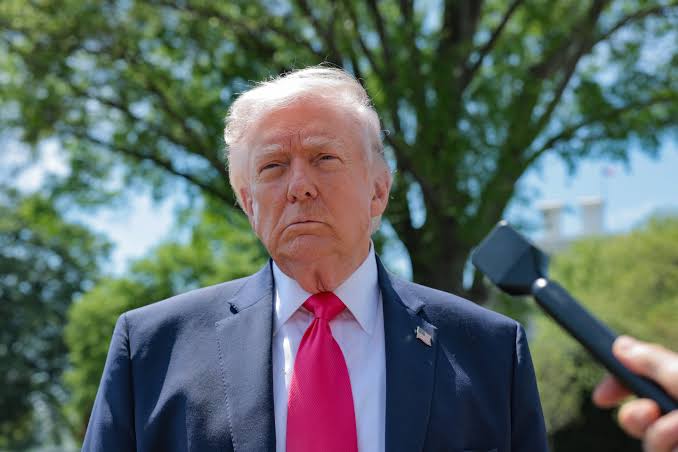
United States President Donald Trump has declared that America's military campaign against Iran remains funded through approximately the end of January 2027, warning congressional Democrats that efforts to terminate the conflict could undermine what he describes as a decisive American victory. Speaking during an Oval Office interview on November 24, Trump acknowledged that Democrats could restrict his military options after assuming control of Congress on January 3, while emphasizing that preventing Iran from acquiring nuclear weapons, rather than overthrowing its government, remains his principal objective. Democratic lawmakers are considering legislation prohibiting further expenditure on offensive military operations without congressional authorization, as Washington approaches a December 11 government funding deadline amid growing public opposition to the conflict.
United States President Donald Trump has declared that funding for America's military campaign against Iran remains available until approximately the end of January 2027, warning congressional Democrats that attempts to bring the conflict to an early conclusion could undermine what he considers a decisive American military advantage. Speaking during an Oval Office interview with the New York Post on Tuesday, November 24, Trump acknowledged that his administration could face significant restrictions on its ability to continue military operations once Democrats assume control of both chambers of Congress in January. The President argued that ending the campaign under congressional pressure could transform what he described as a “total win” into “a loss,” intensifying an already contentious confrontation between the White House and lawmakers seeking to terminate a conflict that has generated mounting political opposition, economic uncertainty and international concern. His remarks come as congressional negotiators examine proposals to prohibit further spending on offensive military operations against Iran unless the administration obtains formal authorization from Congress.
Trump's statement represents one of his clearest acknowledgments that the continuation of the conflict could become increasingly dependent on congressional funding decisions rather than solely on the strategic calculations of the White House and Pentagon. Although the President retains considerable authority as commander in chief of the United States armed forces, Congress possesses constitutional powers over federal appropriations and can impose restrictions on how government resources are used. The political significance of those powers has increased substantially following the November 3 midterm elections, in which Democrats secured control of both the House of Representatives and the Senate. With the new Congress scheduled to convene on January 3, 2027, the administration faces a considerably different political environment from the one in which it launched military operations against Iran alongside Israel earlier this year.
The President's assertion that military funding remains available through January does not necessarily establish that all American operations would automatically cease when that period ends. The Pentagon maintains multiple appropriations accounts covering personnel, logistics, equipment maintenance, intelligence activities and other military responsibilities, and the extent to which existing resources could legally support continued operations would depend on congressional restrictions and applicable budgetary rules. Trump did not provide a detailed financial breakdown establishing how much money remains available for the conflict or precisely which military activities those resources could sustain. His remarks nevertheless suggest that the administration recognizes an approaching political and financial deadline, particularly as Democratic lawmakers prepare to use congressional spending authority to challenge a military campaign they have repeatedly criticized.
During the same interview, Trump also addressed differences between Washington and Israel regarding the ultimate objectives of the war. Asked about Israel's reported desire to bring down Iran's governing establishment, the President suggested that such an outcome might be achievable but insisted that overthrowing the Islamic Republic was not the principal objective of America's military involvement. Trump emphasized that his central concern remained preventing Iran from obtaining a nuclear weapon, rather than determining who governs the country. His remarks exposed an important distinction between preventing the development of nuclear weapons, weakening Iran's conventional military capabilities and pursuing a complete transformation of its political system, objectives that carry substantially different strategic requirements and potential consequences.
That distinction could become increasingly important as the administration faces pressure to define what would constitute a successful conclusion to the conflict. Preventing Iran from acquiring nuclear weapons is an objective that could theoretically be pursued through military pressure, international inspections, diplomatic negotiations and restrictions on nuclear-related activities. Regime change, by contrast, would involve uncertainties extending well beyond the destruction of military infrastructure or restrictions on nuclear development, including questions about political succession, institutional stability and the potential emergence of internal conflict. Trump did not announce that the United States intended to pursue such an outcome, and his latest remarks should not be interpreted as confirmation that Washington has formally adopted the overthrow of Iran's government as an American war objective.
The administration's confidence in the military campaign has been accompanied by repeated claims concerning the weakening of Iran's offensive capabilities. Speaking separately on Tuesday, Trump asserted that Tehran's ability to launch missiles had been substantially reduced and praised American naval operations intended to restrict Iranian maritime activity. He presented those developments as evidence that sustained American pressure had placed the United States in a strategically advantageous position. However, presidential assessments of battlefield success do not independently establish that every stated military objective has been achieved, particularly in a conflict involving nuclear infrastructure, conventional military capabilities, regional alliances and the possibility of future attacks. Establishing the long-term effectiveness of the campaign would require evidence concerning Iran's remaining capabilities, the condition of its nuclear program and the durability of any eventual diplomatic or military settlement.
The dispute over funding has already become a major component of negotiations surrounding a December 11 deadline for Congress to approve federal spending legislation and avert another government shutdown. Democratic lawmakers are examining whether that deadline provides an opportunity to impose restrictions on the administration before the newly elected Congress takes office. Under a proposal discussed by Senator Tim Kaine of Virginia and other Democratic senators, money appropriated by Congress would no longer be available for offensive military operations against Iran unless lawmakers formally authorized the conflict. The proposed restrictions would nevertheless preserve funding for measures necessary to protect American military personnel and evacuate American civilians threatened by hostile action, reflecting an effort to distinguish opposition to the continuation of offensive operations from the government's responsibility to protect its citizens and armed forces.
That approach is significant because it would not necessarily require Congress to withdraw all funding from the Department of Defense. Lawmakers could instead approve resources for ordinary military operations, personnel requirements, national security infrastructure and the replacement of depleted military supplies while attaching specific conditions preventing the administration from using appropriated funds to continue offensive action against Iran. Such restrictions would create a more targeted confrontation with the White House than a general refusal to finance the Pentagon, potentially allowing opponents of the war to argue that their position remains compatible with supporting the broader requirements of American national defense. Whether sufficient political agreement exists to adopt and enforce those restrictions remains uncertain.
Some senior Republicans have also indicated that they are prepared to consider negotiations involving limitations on war funding. Senate Appropriations Committee Chairwoman Susan Collins of Maine has been examining possible language that would allow additional resources to be directed toward essential military requirements while restricting funding for the Iran campaign. Senate Majority Leader John Thune has similarly expressed openness to discussions that could maintain government operations and meet national security needs. Those positions do not establish that Republican lawmakers have collectively agreed to terminate funding for the war, but they suggest that the dispute is no longer confined entirely to a conventional confrontation between the Republican administration and Democratic opposition.
The negotiations reflect the difficult political circumstances confronting Republicans following their losses in the November midterm elections. With Democrats preparing to assume control of congressional committees responsible for defense spending, foreign affairs and government oversight, the administration could face more extensive scrutiny of both the financial costs of the war and the legal authority under which it has been conducted. Incoming congressional leaders are likely to have greater opportunities to demand documentation concerning military expenditures, examine the administration's objectives and question officials responsible for managing the campaign. The change in congressional leadership could therefore affect the conflict through mechanisms extending beyond direct restrictions on appropriations, even if the White House continues asserting broad presidential authority over military operations.
Democratic Representative Rosa DeLauro of Connecticut, who is expected to lead the House Appropriations Committee under the new congressional majority, has previously expressed support for withholding additional funding for the war. Other Democratic lawmakers, including Senator Chris Van Hollen of Maryland, have advocated attaching explicit restrictions to federal spending legislation, arguing that the administration should not continue financing military operations without congressional authorization. Senators and representatives supporting that approach maintain that the constitutional responsibility to determine how federal resources are spent provides Congress with a legitimate mechanism for influencing the continuation of hostilities. Their position represents a direct challenge to the administration's interpretation of presidential authority and its argument that ending the campaign would undermine American national security interests.
Despite broad opposition to the conflict among Democratic lawmakers, disagreements remain over the most effective strategy for bringing military operations to an end. Some legislators favor using the December funding deadline to impose immediate restrictions, while others have expressed concerns that doing so could contribute to another federal government shutdown. A temporary spending agreement extending government funding into early 2027 could give Democrats greater negotiating authority once they formally assume control of Congress, but it could also allow the administration additional time to continue military activities under existing arrangements. The competing approaches illustrate how opposition to a war does not automatically produce agreement about the legislative mechanisms or political timing required to end it.
The White House could also resist congressional efforts through the presidential veto, creating further uncertainty about whether proposed restrictions would ultimately become law. Although Congress controls appropriations, legislation generally requires presidential approval unless lawmakers possess sufficient votes to override a veto. The administration could additionally contest the interpretation of particular spending restrictions, raising questions about whether existing military accounts provide alternative legal authority for certain operations. These possibilities mean that even a congressional vote supporting limitations on war funding would not necessarily produce an immediate or straightforward conclusion to the conflict.
The latest confrontation follows previous congressional attempts to restrict Trump's ability to continue military operations against Iran. On November 19, Senate Republicans rejected a measure that would have directed the President to terminate the conflict or obtain congressional authorization to continue it. The vote demonstrated that the administration retained substantial support among Republican lawmakers despite the political consequences of the midterm elections and growing public opposition to the war. However, the balance of power within Congress will change in January, creating conditions under which similar proposals could receive considerably stronger legislative support than they did under Republican control.
At the center of the dispute is a longstanding constitutional disagreement concerning the division of American war powers. The United States Constitution gives Congress the authority to declare war, raise and support armed forces and determine how federal money is spent, while identifying the President as commander in chief. Successive administrations have interpreted presidential military authority broadly, particularly when responding to perceived threats against American interests or personnel. Members of Congress have frequently challenged those interpretations, arguing that prolonged offensive military campaigns require legislative authorization rather than relying indefinitely on executive decisions. The conflict with Iran has renewed that debate because of its duration, financial requirements and potentially far-reaching consequences for American foreign policy.
The War Powers Resolution of 1973 was intended to establish procedures governing presidential deployments of American armed forces into hostilities without prior congressional authorization. Its provisions include reporting requirements and limits on the continuation of certain unauthorized military operations, although presidents from both major political parties have disputed aspects of the legislation and interpreted its applicability differently. Congressional attempts to enforce those restrictions have historically encountered legal and political difficulties, especially when administrations argue that military activities fall within their independent constitutional authority. The present dispute over Iran demonstrates that the relationship between presidential command authority and congressional oversight remains contested more than five decades after the legislation was adopted.
American history nevertheless provides examples of Congress using financial restrictions to influence the continuation of military conflicts. During the final stages of American involvement in Southeast Asia, lawmakers adopted measures preventing federal resources from being used for certain military operations. Those historical precedents have become increasingly relevant to discussions surrounding Iran, with legal scholars and congressional observers examining how appropriations restrictions might be structured to withstand executive opposition. The circumstances surrounding the Vietnam War differ considerably from the current Middle Eastern conflict, but the historical experience illustrates that congressional control over military spending can become a consequential instrument of foreign policy when lawmakers are sufficiently united.
The political pressure surrounding the Iran campaign has been intensified by public dissatisfaction with the conflict and its broader economic consequences. A Reuters/Ipsos survey conducted between November 13 and 16 found that only 31 percent of Americans approved of the United States' war against Iran. Although a single survey cannot establish the views of every voter or determine the precise reasons behind individual electoral decisions, the findings indicate substantial resistance to the campaign within the American public. Democratic candidates made opposition to the conflict an important component of their midterm campaigning, connecting continued military involvement with concerns about government expenditure, economic uncertainty and the administration's broader foreign policy.
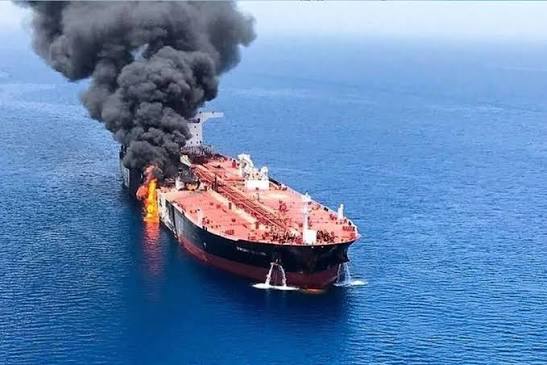
The economic implications of the war have also extended beyond the immediate cost of military operations. Iran occupies a strategically important position near the Strait of Hormuz, one of the world's most consequential maritime corridors for the transportation of petroleum and other energy products. Disruptions affecting commercial shipping in the region can influence international oil markets, freight costs, insurance premiums and business confidence. For American consumers, sustained increases in energy costs can contribute to higher gasoline prices and transportation expenses, while businesses may face additional pressure through more expensive logistics and manufacturing inputs. These consequences help explain why the conflict has become a domestic political issue rather than remaining solely a matter of international security.
Trump has maintained that American naval operations have placed substantial pressure on Iran while allowing commercial maritime activity to continue. His administration argues that restricting Tehran's ability to benefit from international trade can weaken the resources available to sustain its military and nuclear ambitions. Critics of prolonged maritime restrictions, however, have raised concerns about the possibility of economic disruption, renewed confrontation and the wider consequences of applying sustained pressure to an important energy-producing region. Determining the overall effectiveness of such measures requires distinguishing their immediate military and financial effects from their longer-term consequences for diplomatic negotiations, civilian populations and international commerce.
The dispute over military funding also coincides with fresh American sanctions targeting Iran's financial infrastructure. On November 23, the United States Treasury Department announced sanctions against Iranian exchange houses, alleged front companies and individuals accused of participating in financial networks used to circumvent American restrictions. Washington also targeted the Iran Center for Exchange of Currency and Gold, an institution Iranian authorities describe as a legitimate platform for registering commercial transactions. The announcement was followed by a sharp decline in the rial on the unofficial currency market, illustrating the substantial financial pressure confronting Tehran as it attempts to maintain international trade while facing increasingly restrictive American measures.
The combination of military and financial pressure reflects the administration's broader strategy of limiting Iran's ability to sustain activities Washington considers threatening to American interests and those of its allies. Nevertheless, the economic consequences of sanctions frequently extend beyond the institutions and individuals specifically designated by the United States. A weaker domestic currency can raise the cost of imported medicines, industrial equipment, food-related supplies and other essential products, placing additional pressure on Iranian households already facing significant financial difficulties. The administration's argument that economic restrictions can advance national security objectives therefore exists alongside humanitarian concerns about the effect of prolonged financial isolation on ordinary citizens.
The political leadership in Tehran has rejected Washington's portrayal of its nuclear and financial activities, while repeatedly condemning American and Israeli military actions as violations of Iranian sovereignty. Iran has maintained that it possesses the right to develop nuclear technology for peaceful purposes, although international disputes concerning the transparency, scale and potential military implications of its nuclear program have persisted for years. The disagreements surrounding nuclear inspections, uranium enrichment and Iran's cooperation with international monitoring institutions remain central to determining whether a lasting diplomatic resolution can be achieved. Military pressure may alter the immediate balance of capabilities, but establishing durable restrictions on nuclear development would also require mechanisms capable of verifying compliance over time.
The possibility of a lasting diplomatic settlement remains uncertain because the parties have not publicly established agreement on the conditions necessary to conclude the conflict. Washington's stated objective of preventing Iran from developing nuclear weapons must be reconciled with disagreements over enrichment, international inspections, sanctions relief and security guarantees. Tehran's government would also need to determine whether negotiations offered sufficient protection against renewed military action and whether any agreement could produce meaningful economic benefits. The interests of Israel and other regional governments introduce additional considerations, particularly where their assessments of Iran's military capabilities and political leadership differ from those of the United States.
Israel's relationship with the Trump administration has become especially relevant as questions emerge over whether the two allies share identical objectives for the conclusion of the war. Although both governments have emphasized the importance of preventing Iran from acquiring nuclear weapons, their broader strategic priorities do not necessarily align in every respect. Trump's latest statement that regime change is not his principal objective suggests that Washington may be prepared to evaluate potential outcomes according to a narrower set of security requirements than those favored by some Israeli officials. That distinction does not establish an immediate breakdown in the American-Israeli alliance, but it could influence future decisions concerning negotiations, the resumption of hostilities and the conditions under which military pressure might be reduced.
The uncertainty has been compounded by separate questions surrounding America's longer-term military assistance to Israel. Reuters reported on November 24 that the United States ambassador to Israel expressed uncertainty about whether annual American military assistance would end this year, following Trump's earlier announcement that he had reached an understanding with Israeli Prime Minister Benjamin Netanyahu concerning the termination of that funding. The issue is distinct from congressional appropriations for direct American military operations against Iran, but both discussions reflect growing scrutiny of Washington's financial commitments in the Middle East. The incoming congressional majority could subject those commitments to more extensive examination, particularly as lawmakers seek to balance national security priorities with domestic spending requirements.
For the Pentagon, uncertainty surrounding future funding creates challenges extending beyond the immediate conduct of the Iran campaign. Military planners must consider personnel readiness, equipment maintenance, replacement requirements and America's ability to respond to potential security emergencies elsewhere in the world. Resources committed to one conflict are not necessarily available for other responsibilities, particularly when military operations require substantial expenditure over an extended period. Congressional discussions concerning the replenishment of military supplies therefore reflect concerns that prolonged involvement in the Middle East could affect the resources available to sustain broader American defense commitments.
The administration faces a difficult task in demonstrating that continued military expenditure would produce benefits proportionate to its financial, diplomatic and humanitarian consequences. Trump argues that the United States has established a position of strength and risks undermining that advantage by withdrawing prematurely. Opponents of the conflict question whether the administration has established sufficiently clear and achievable objectives, whether Congress has granted the necessary authorization and whether the costs of further military involvement are justified. Those competing assessments cannot be resolved solely through political declarations of victory or defeat, particularly when important questions concerning Iran's remaining capabilities and the prospects for a durable settlement remain unanswered.
The January transition in congressional control could consequently represent a major turning point in the administration's approach to Iran. Democratic lawmakers will have greater influence over the committees responsible for appropriations and oversight, while Republicans will retain the presidency and the executive authority associated with it. That division of power creates the possibility of extended negotiations over military spending, legal disputes concerning presidential authority and political confrontations over the conditions under which American forces should remain engaged. The consequences could extend across other areas of government if disagreement over war funding becomes intertwined with broader disputes concerning federal spending.
For American allies, the confrontation in Washington creates uncertainty about the durability of the administration's military commitments. Governments relying on American diplomatic or security support must consider whether policies announced by the White House will receive sufficient congressional funding to remain operational over time. In the Middle East, that uncertainty could affect calculations concerning regional security, negotiations with Iran and preparedness for further hostilities. It could also encourage diplomatic initiatives aimed at reaching an agreement before changes in congressional leadership substantially alter the political conditions under which the administration operates.
Iranian officials will similarly be monitoring the developments in Washington because congressional restrictions could influence the future course of American military pressure. Nevertheless, it would be premature to conclude that Tehran has adopted any specific strategy based on Trump's funding statement without independently verified evidence. Congressional opposition to the war does not necessarily translate into support for Iranian government policies, nor would restrictions on offensive military operations automatically eliminate American sanctions or other diplomatic measures. The United States could maintain considerable economic and political pressure on Tehran even if lawmakers successfully limit the administration's ability to conduct further military strikes.
Trump's warning against ending the campaign illustrates the increasingly difficult relationship between his administration's assessment of military progress and the political constraints emerging from the midterm elections. His argument that congressional intervention could transform an American victory into defeat rests on his own evaluation of the conflict, rather than on a mutually accepted determination that its objectives have already been achieved. Democratic lawmakers, by contrast, argue that restricting funding represents an exercise of congressional responsibility and a necessary response to a costly conflict that has not received formal legislative authorization. The disagreement encompasses competing views of national security, constitutional authority and the appropriate limits of American military engagement abroad.
The immediate test will come through negotiations over federal government funding before the December 11 deadline. Lawmakers must determine whether restrictions on offensive military operations can form part of an acceptable spending agreement, whether negotiations should continue into January and whether the White House would accept any resulting legislation. Even if Congress reaches an agreement to prevent another shutdown, the question of long-term funding for the Iran campaign is likely to remain unresolved unless explicit restrictions are adopted or the administration reaches a separate political or diplomatic understanding. The approaching transition in congressional leadership ensures that the issue will remain central to Washington's foreign policy debate.
For now, Trump's declaration that the campaign is funded through approximately the end of January establishes a politically significant timeframe without providing a definitive schedule for the conclusion of the war. The President has not announced that military operations will automatically terminate when existing funds become constrained, nor has Congress enacted the proposed restrictions discussed by Democratic and Republican lawmakers. The administration's subsequent decisions will depend on congressional negotiations, developments involving Iran, America's relationship with Israel and the availability of diplomatic alternatives capable of addressing Washington's stated security concerns. As the conflict approaches another uncertain phase, the struggle over its future is increasingly being fought not only through military and diplomatic pressure in the Middle East but also through the constitutional and financial powers of the United States Congress.