

US BACKS NIGERIA’S ACQUISITION OF 12 AH 1Z VIPER ATTACK HELICOPTERS
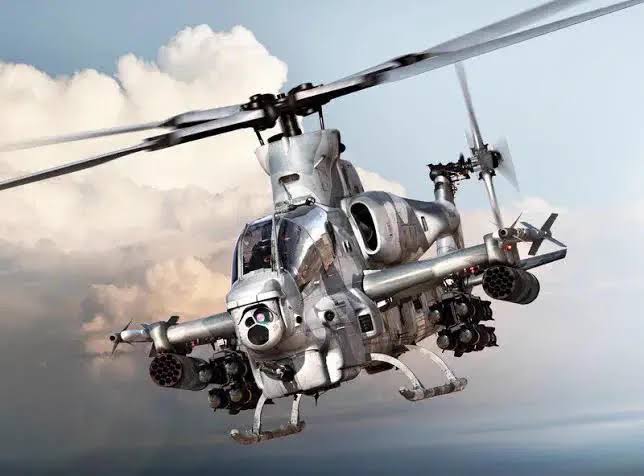
The United States has reaffirmed its support for Nigeria's planned acquisition of 12 AH 1Z Viper attack helicopters as both countries deepen defense cooperation. The aircraft are expected to strengthen the Nigerian Air Force's counterterrorism, counterinsurgency and close air support capabilities as Abuja confronts insurgency and other security threats.
The United States has reaffirmed its support for Nigeria's acquisition of 12 AH 1Z Viper attack helicopters, describing the program as part of growing security cooperation between Washington and Abuja.
The U.S. Mission in Nigeria said the planned acquisition reflects the commitment of both countries to strengthening Nigeria's defense capabilities and responding to current and emerging security threats.
The development comes as production of the aircraft moves forward in the United States, marking a significant modernization of the Nigerian Air Force's combat helicopter fleet.
The U.S. Mission said Washington values continued security cooperation with Nigeria in support of peace, security and stability.
12 POWERFUL ATTACK HELICOPTERS
The AH 1Z Viper is a modern attack helicopter developed by Bell and operated by the United States Marine Corps.
Nigeria is acquiring 12 aircraft through the U.S. Foreign Military Sales program.
The U.S. State Department originally approved the possible sale in April 2022 at an estimated overall program cost of $997 million.
The package approved by Washington included 12 AH 1Z helicopters and 28 T700 GE 401C engines, with 24 installed in the aircraft and four provided as spares.
It also included 2,000 Advanced Precision Kill Weapon System guidance sections, night vision equipment, electronic warfare systems, communications equipment, targeting systems, training, spare parts and logistical support.
The wider package also provides assistance intended to improve air to ground integration and targeting procedures in accordance with international humanitarian law.
PRODUCTION NOW UNDERWAY IN TEXAS
The program has moved beyond the initial approval stage.
Bell has begun production of Nigeria's first AH 1Z Viper at its assembly facility in Amarillo, Texas.
A Nigerian Air Force delegation led by Chief of the Air Staff Air Marshal Sunday Aneke recently visited the facility for a beam signing ceremony marking another stage in production.
The delegation also inspected the Viper production line.
Aneke described the acquisition as an important step toward building a more capable and mission ready Nigerian Air Force.
The Nigerian Air Force says the aircraft are expected to improve its ability to support ground forces and conduct precision operations against security threats.
BUILT FOR COUNTERTERRORISM OPERATIONS
Nigeria has faced years of complex security challenges across different regions of the country.
The military continues operations against Boko Haram and Islamic State West Africa Province fighters in the northeast while also confronting armed groups, kidnappers and other security threats elsewhere.
The Nigerian Air Force has increasingly relied on airpower to support troops operating in difficult terrain.
The AH 1Z Vipers are expected to provide another specialized platform for those missions.
The aircraft can conduct armed reconnaissance, close air support and precision strike missions while operating alongside ground forces.
Nigeria says the helicopters will strengthen its ability to conduct targeted operations while improving support for troops on the ground.
PART OF WIDER US NIGERIA SECURITY PARTNERSHIP
The acquisition forms part of a broader defense relationship between Nigeria and the United States.
Washington previously approved Nigeria's purchase of 12 A 29 Super Tucano aircraft in a deal valued at approximately $497 million.
Those aircraft were delivered to Nigeria and have since been incorporated into Nigerian Air Force operations.
The Viper program represents another major step in Nigeria's effort to modernize its air combat capabilities.
The U.S. government has said the sale is intended to help Nigeria contribute to shared security objectives, promote regional stability and improve interoperability with the United States and other Western partners.
The Nigerian Air Force has also been working with U.S. officials and Bell to keep the program on schedule.
With production now underway and Washington publicly reaffirming its support, Nigeria is moving closer to adding one of the world's advanced attack helicopter platforms to its military fleet.