
US JUDGE ORDERS WHITE HOUSE TO RESTORE ACCESS TO CNN, MS NOW AND POLITICO
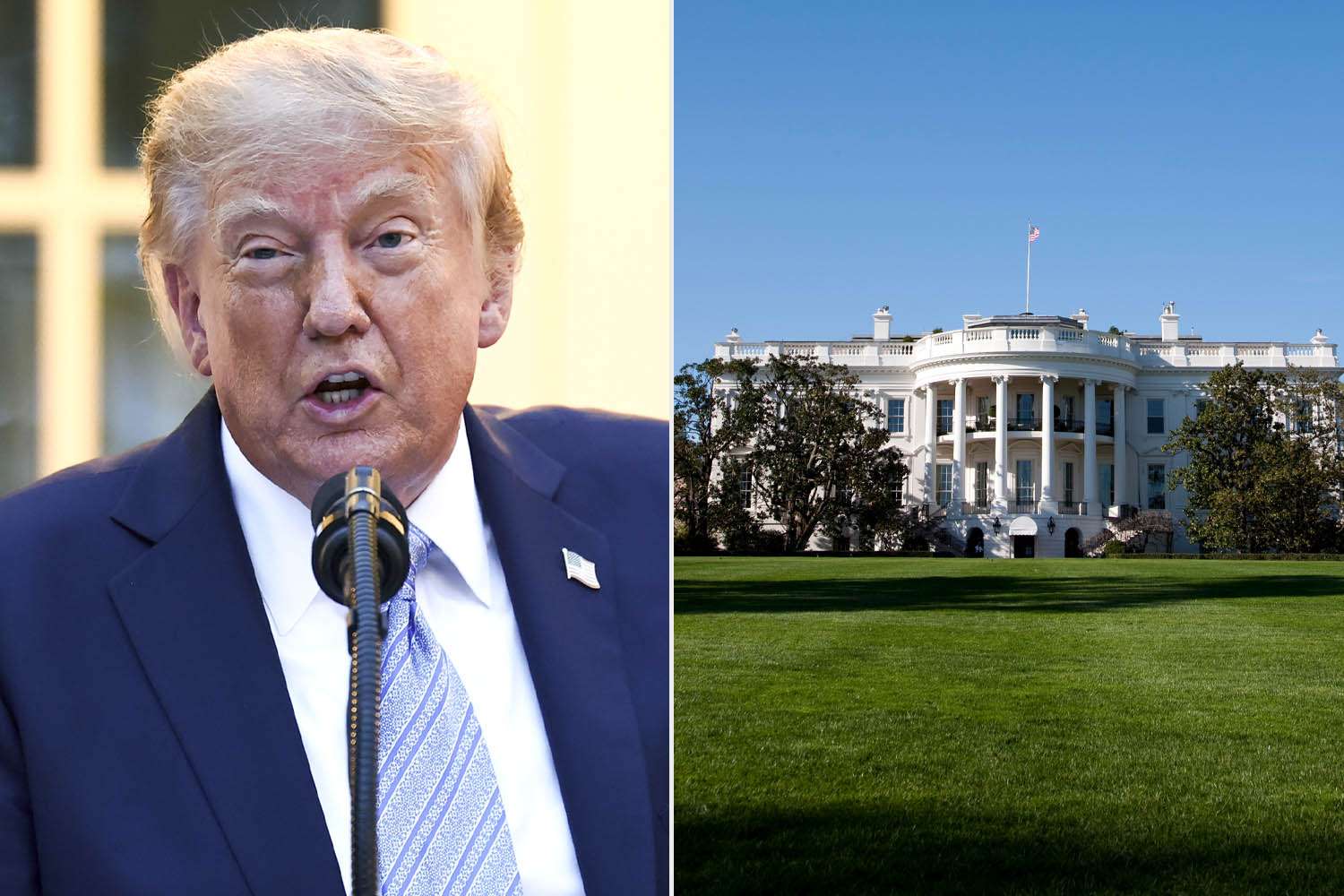
A U.S. federal judge has temporarily blocked the Trump administration from barring CNN, MS NOW and Politico from the White House, ordering officials to immediately restore journalists' press credentials while the outlets' constitutional challenge proceeds.
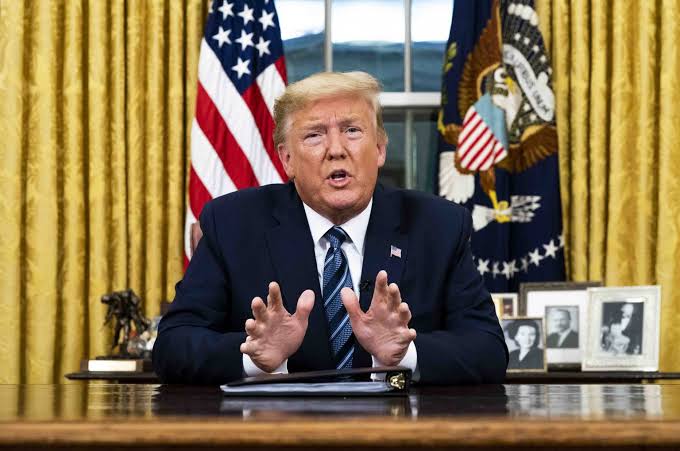
A federal judge has ordered the Trump administration to immediately restore White House access to journalists from CNN, MS NOW and Politico, temporarily blocking President Donald Trump's decision to bar the three news organizations from the presidential complex.
U.S. District Judge Timothy Kelly issued a 14 day temporary restraining order early Thursday, finding that the news organizations were likely to succeed in their legal challenge to the administration's decision.
The ruling requires administration officials to return, reinstate and restore the White House hard pass credentials held by employees of CNN, MS NOW and Politico while the broader lawsuit continues.
The order represents an early legal setback for the administration but is not a final judgment on whether the ban violated the U.S. Constitution.
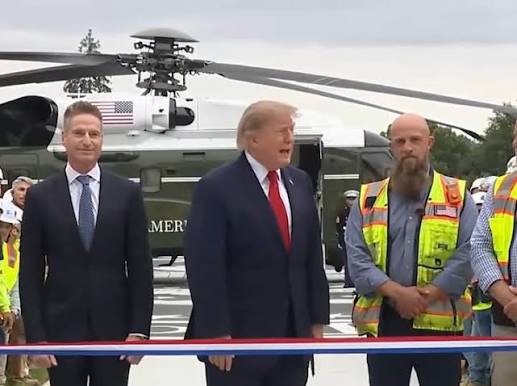
Trump announced on September 18 that the three organizations would be barred from the White House, accusing them of publishing what he described as "fiction and lies" and criticizing their coverage of his administration.
Journalists from the affected organizations subsequently had their White House credentials deactivated and were denied access to the complex.
CNN, MS NOW and Politico responded by filing a lawsuit in federal court in Washington on September 21.
The organizations argued that the administration had violated the First Amendment protections of freedom of speech and the press as well as their constitutional right to due process.
Their lawyers argued that the outlets had been singled out because of the content of their reporting and criticism of the administration.
The Justice Department defended the White House's authority to control access to the presidential complex, arguing that admission was a privilege rather than an entitlement.
Government lawyers also raised national security concerns in defending the restrictions.
Kelly was not persuaded that the record before the court supported that justification.
The judge said the evidence did not establish that revoking the journalists' passes would protect national security or that restoring their credentials while the litigation continued would endanger it.
The dispute also centered on whether the affected journalists were given sufficient notice and an opportunity to challenge the decision before losing their access.
Kelly pointed to previous federal appeals court decisions establishing due process requirements before a journalist's White House hard pass can be suspended or revoked.
The judge said those precedents required advance notice of the alleged violation and an opportunity for the journalist to respond.
The case has attracted wider attention across the U.S. media industry.
Following the ban, major television networks protested the exclusion of the three organizations, while several news outlets took steps to limit participation in pooled coverage of presidential events.
The White House Correspondents' Association and press freedom advocates have also criticized the restrictions, arguing that allowing an administration to exclude journalists because of unfavorable reporting could undermine independent coverage of the presidency.
The administration has rejected accusations that the decision amounted to an attack on press freedom and has maintained that the president has significant authority over access to the White House.
Thursday's order does not resolve that broader constitutional dispute.
Instead, it restores the journalists' access for 14 days while the court considers the underlying case, unless the order is modified or extended.
The legal battle will now continue over whether the administration's decision violated the First Amendment and whether adequate due process was provided before the credentials were revoked.
The outcome could carry implications beyond the three organizations involved because it concerns the limits of presidential authority over journalists who regularly cover the White House and the constitutional protections that apply when their access is withdrawn.