VETERAN NOLLYWOOD ACTOR DIEWAIT IKPECHUKWU DIES AT 71 AFTER PROLONGED ILLNESS
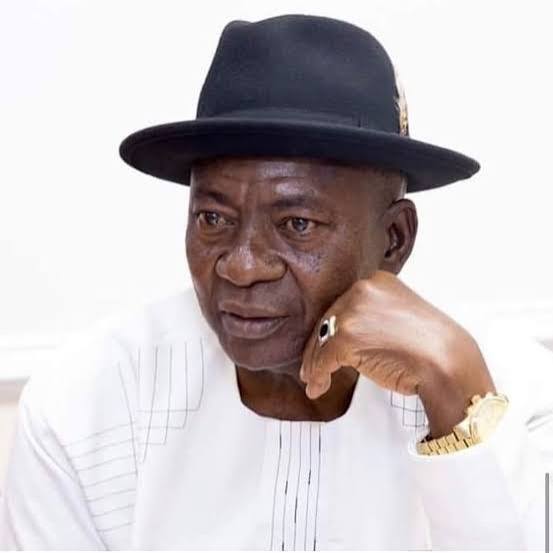
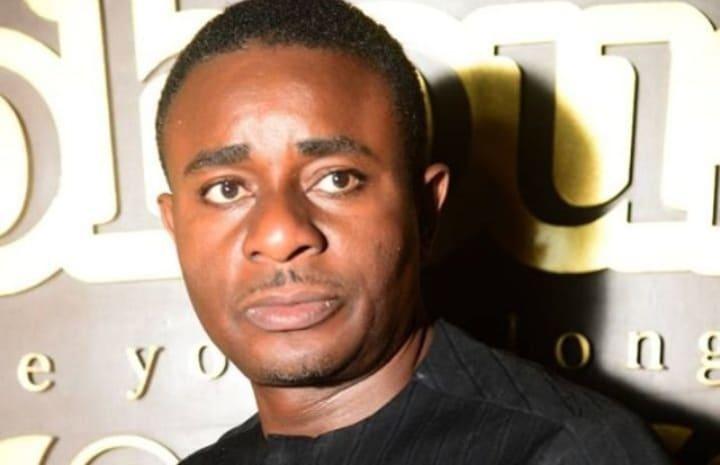
Veteran Nollywood actor Diewait Ikpechukwu has died at 71 after a prolonged illness, according to reports citing family sources. The former footballer featured in films including The August Meeting, The Guilty, Python King and Ìjé Love. He also served as pioneer chairman of the Actors Guild of Nigeria’s Enugu State chapter and remained involved in veterans’ football.
Veteran Nollywood actor Diewait Ikpechukwu has died at the age of 71, prompting tributes from colleagues and members of Nigeria’s entertainment industry following a career that spanned more than two decades in film and television.
Ikpechukwu reportedly died on Thursday, November 5, 2026, after a prolonged illness, according to reports citing family sources. His death became public on Friday, November 6, with the National President of the Actors Guild of Nigeria (AGN), Alhaji Abubakar Sanusi Yakubu, also paying tribute to the late actor.
Yakubu announced the loss in a social media tribute, describing Ikpechukwu as another legend whose memory would remain with colleagues and admirers. The guild president’s message added an industry-level acknowledgment to reports of the actor’s death, although the family had not publicly disclosed further details about his final days or the specific illness he battled.
The death has also drawn attention to a career that began outside the film industry. Before becoming an actor, Ikpechukwu played football and later worked in the corporate sector, including a period with the Nigerian Telecommunications Limited (NITEL). He subsequently became involved in television and film production, building a reputation as a character actor known for portraying traditional rulers, elders and other prominent figures.
In a 2022 interview with The Punch, Ikpechukwu traced his entry into acting to an invitation from the Nigerian Television Authority (NTA) in Enugu to participate in the television production Second Chance, which featured veteran comedian Chief Zebrudaya. He said the experience strengthened his interest in acting and opened the door to his feature-film career.
His first feature-film appearance came in 1998, when he played a traditional ruler in Evil Men, a production that also featured established actors including Pete Edochie, Alex Usifo, Liz Benson and Larry Cole. The film, directed by the late Chico Ejiro, helped introduce him to a wider audience and created opportunities for further appearances in Nollywood productions.
Over the years, Ikpechukwu appeared in several films, including The August Meeting, Royal Palace, The Guilty, The Guilty 2, Across the River, Python King, Omera, A Dance to Forget, Emecheta, Nwando and Ìjé Love. His career extended across different generations of Nigerian home-video and film production, allowing him to remain active in the industry for more than 25 years.
Beyond his work on screen, Ikpechukwu also took on responsibilities within the Actors Guild of Nigeria. He served as the pioneer chairman of the guild’s Enugu State chapter, a position through which he became involved in the organisation of actors and the development of the local film community. He was also associated with efforts to guide younger performers entering the profession.
In his 2022 interview, he spoke about challenges within Nollywood, including the treatment of actors, professional standards and allegations surrounding exploitation in the industry. His comments reflected his experience as a performer who had worked through different phases of the Nigerian film business, from television productions and early home-video releases to newer film projects.
His connection to football also remained an important part of his life after he became established in entertainment. Reports following his death identified him as a former footballer who maintained links with the sporting community in Enugu. He was associated with Veterans All Stars International Football Club, where he served as patron, and remained connected to former players and other football enthusiasts.
A condolence statement from the club described him as a respected figure whose contributions extended beyond entertainment. According to the statement, he had been expected to attend a club training session on October 10 but fell ill the previous day. The club remembered his commitment to veterans’ football and his relationship with members of the sporting community.
The circumstances surrounding Ikpechukwu’s death remain largely undisclosed. Reports have attributed his passing to a prolonged illness, but neither the family nor the Actors Guild of Nigeria had publicly identified the specific medical condition responsible. Funeral arrangements and other details concerning his burial were also yet to be formally announced in the reports available at the time of publication.
His death adds to the losses experienced by Nollywood, particularly among actors whose careers helped shape the industry’s earlier film and television productions. While younger performers and newer productions have continued to transform Nigerian cinema, veteran actors such as Ikpechukwu helped establish the screen traditions, character performances and storytelling styles that remain recognisable to audiences across the country.
For colleagues who worked alongside him, his contribution extended beyond the roles he played. His involvement in the Enugu chapter of the Actors Guild of Nigeria, his connection to football and his reported interest in mentoring younger performers formed part of a career that crossed entertainment, professional organisation and sport.
As tributes continue to emerge, Ikpechukwu is being remembered as a performer whose journey took him from football and corporate employment into Nigerian film, where he spent more than two decades building a body of work. He was 71.