
WAR FEARS EASE AND OIL PRICES DROP AS US IRAN TRUCE HOPES GRIP GLOBAL MARKETS
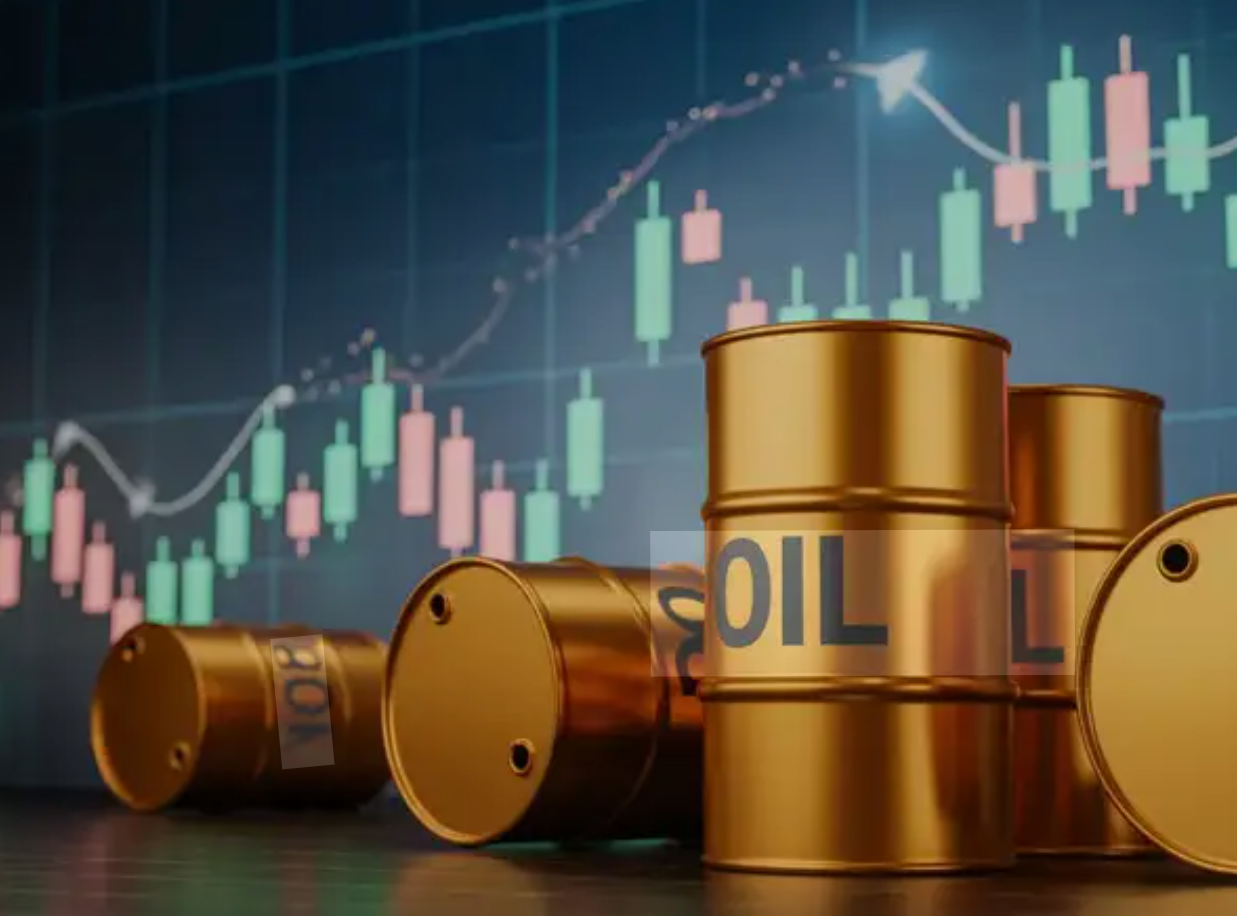
Global oil prices have fallen as traders increasingly price in the possibility of a US-Iran truce and a potential reopening of the Strait of Hormuz. Brent slipped below $106 a barrel while WTI fell toward $93, although continuing attacks around Saudi Arabia are keeping markets on edge.
Global oil prices moved lower on Friday as growing hopes of a possible truce between the United States and Iran began feeding directly into energy markets, reducing some of the geopolitical risk premium that has driven crude prices sharply higher during the Middle East conflict.
Brent crude futures fell 87 cents, or 0.82%, to $105.73 a barrel in early trading, while US West Texas Intermediate crude dropped $1.56, or 1.65%, to $93.05 a barrel.
The decline followed another volatile session on Thursday when both benchmarks surged as much as 5% after renewed attacks involving Saudi Arabia revived fears of disruption to supplies from one of the world's most important oil-producing regions.
Brent eventually settled Thursday at $106.60 a barrel, gaining 3.4%, while WTI closed 2.7% higher at $94.61.
By Friday morning, however, attention had shifted back toward diplomacy.
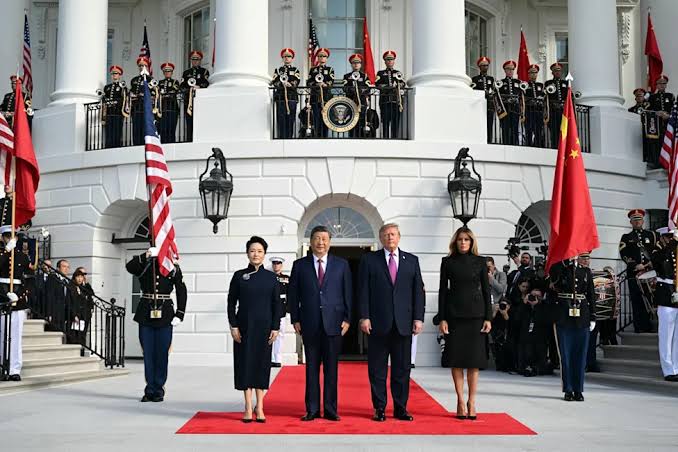
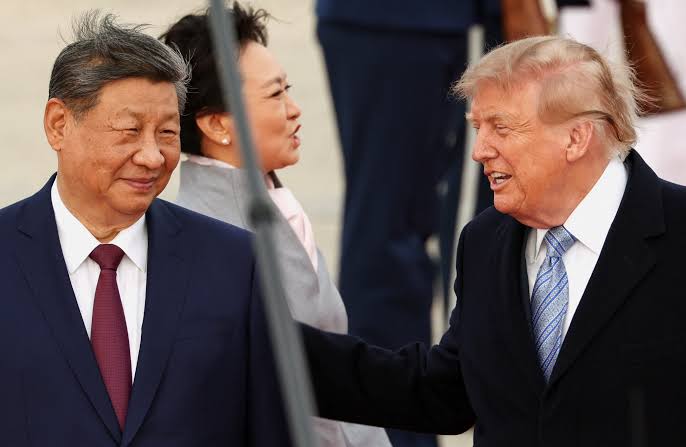
US and Iranian negotiators in New York are exploring a phased path toward ending the conflict, with discussions involving the reopening of the Strait of Hormuz and an easing of Washington's economic blockade against Tehran.
No final agreement has been announced.
But the prospect that negotiations could reduce hostilities and restore more predictable energy flows through the Gulf has already begun influencing oil prices.
That represents an important development in the conflict.
Diplomatic negotiations between Washington and Tehran are no longer affecting only political expectations.
Traders are increasingly attempting to calculate what an agreement could mean for physical oil supplies, shipping routes and the geopolitical risk premium built into crude prices.
The Strait of Hormuz remains central to those calculations.
The narrow waterway connecting the Persian Gulf to the Gulf of Oman is one of the world's most strategically important energy corridors.
Around a fifth of global oil and gas shipments have been curtailed since the conflict escalated at the end of February, contributing to sharp movements in global energy prices and forcing buyers to reconsider supply routes.
Any durable agreement allowing normal shipping through Hormuz could therefore have major implications for global oil markets.
Iranian President Masoud Pezeshkian added to expectations of possible diplomatic progress on Thursday when he said Tehran did not want the conflict to continue.
He said the United States must decide whether it wants the war to end.
The remarks followed reports that negotiators were discussing a phased arrangement that could involve Tehran reopening the Strait of Hormuz while Washington progressively lifts its economic blockade against Iran.
But the decline in oil prices does not mean traders believe the danger has disappeared.
Saudi Arabia remains a major source of uncertainty.
The Saudi-led coalition in Yemen said Saudi forces intercepted six ballistic missiles fired by Yemen's Iran-aligned Houthi movement, with attacks targeting areas including Taif and Yanbu.
Yanbu is particularly important to global energy markets because it is a major Red Sea oil export hub connected to Saudi Arabia's East-West Pipeline.
Saudi Arabia has been increasing crude flows through the pipeline as it attempts to maintain exports despite disruption affecting traditional Gulf shipping routes.
The continuing attacks demonstrate why oil markets remain highly sensitive to developments in the region even as diplomatic optimism grows.
A successful US-Iran agreement could remove some of the risk premium currently supporting prices.
Another major attack on oil infrastructure, however, could quickly reverse that movement.
Thursday's trading demonstrated how quickly sentiment can change.
Both Brent and WTI jumped as much as 5% during the session before surrendering part of those gains after reports emerged about negotiations between Washington and Tehran.
Friday's decline continued that pattern.
Markets are effectively balancing two competing possibilities.
One is a diplomatic breakthrough that could reduce hostilities, reopen important shipping routes and allow more Middle Eastern oil to reach international markets.
The other is a renewed escalation capable of damaging oil facilities or disrupting production and exports.
That uncertainty has created significant differences between the two major global oil benchmarks.
The spread between Brent and WTI has widened to around $12.68 a barrel, its largest since May.
Brent remains particularly sensitive to disruptions affecting international seaborne crude supplies.
The benchmark is still higher for the week despite Friday's decline.
WTI, by contrast, has experienced considerably heavier losses.
The US benchmark was down more than 6% for the week in early Friday trading after falling sharply during previous sessions.
The volatility demonstrates the enormous influence Middle East developments continue to have on energy markets.
For oil-importing economies, sustained diplomatic progress could eventually provide some relief if lower crude prices translate into reduced fuel and transportation costs.
For major oil exporters, a prolonged decline could reduce export revenues.
But markets remain far from declaring the crisis over.
Negotiators still have to bridge substantial differences between Washington and Tehran, while attacks elsewhere in the region continue to threaten energy infrastructure.
For now, the possibility of peace is doing something military developments have repeatedly struggled to achieve.
It is pushing some of the fear out of the oil market.
Whether that decline continues will depend increasingly on what happens at the negotiating table and whether diplomatic promises translate into a durable agreement on the ground.