WONTUMI WAITS UNTIL NOVEMBER 4 AS COURT RESERVES RULING ON BAIL BID AGAINST 20 YEAR JAIL TERM
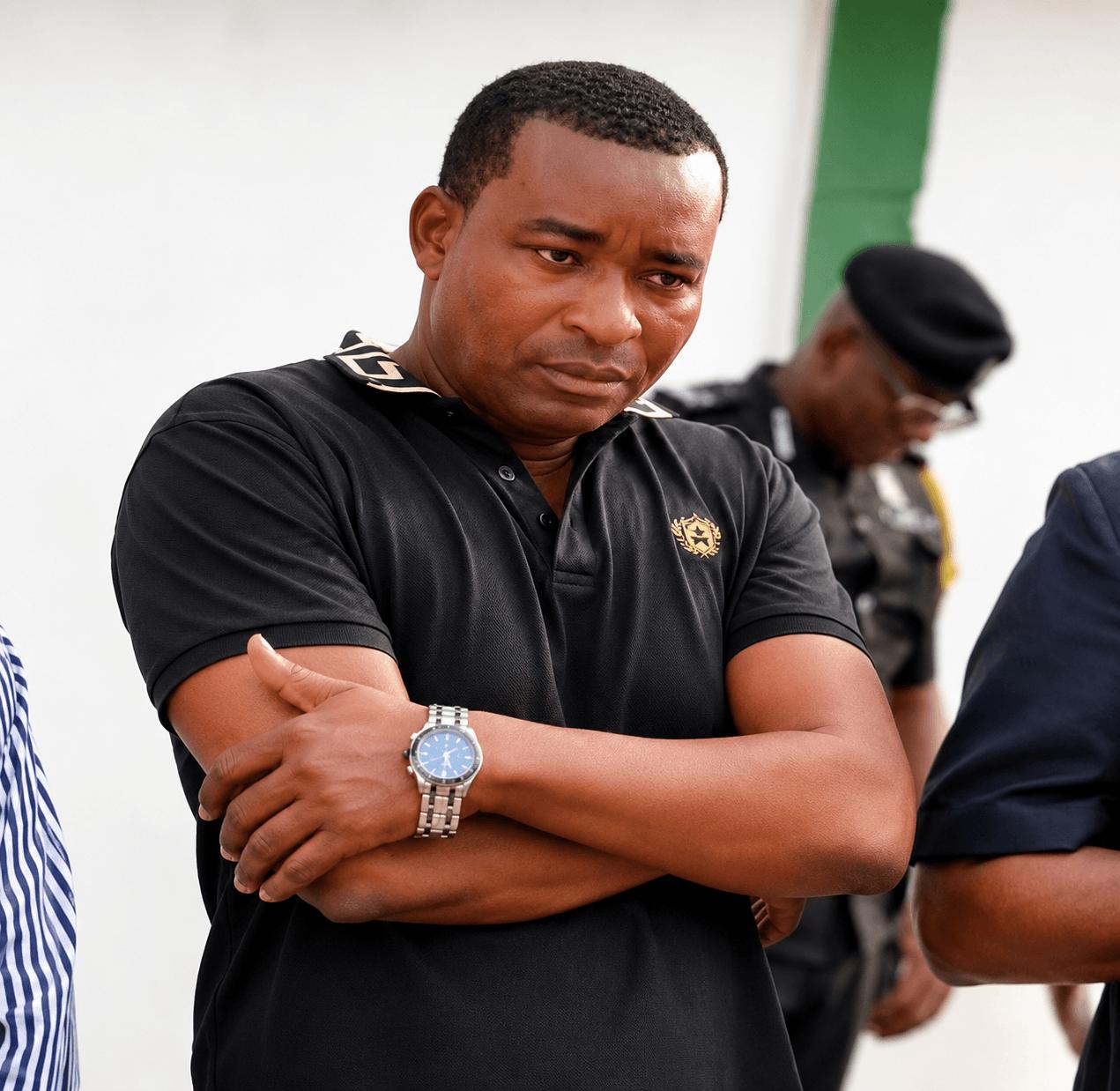
The Court of Appeal will rule on November 4, 2026, on Chairman Wontumi’s application for bail pending appeal against his 20 year prison sentence in an illegal mining case. His lawyers argue that the appeal contains 19 substantial grounds, that his passport is already in state custody and that he needs access to counsel while preparing the case. The Attorney-General opposes his release, arguing that he poses a significant flight risk and has not established exceptional circumstances justifying bail.
The Court of Appeal has fixed November 4, 2026, to deliver its ruling on an application by former Ashanti Regional Chairman of the New Patriotic Party, Bernard Antwi Boasiako, popularly known as Chairman Wontumi, seeking bail while he challenges his 20 year prison sentence for illegal mining related offenses. The court heard arguments from both Wontumi’s legal team and the Attorney-General on Thursday, October 15, with the defense insisting that his appeal raises substantial legal questions and the state maintaining that he should remain in custody because he poses a significant flight risk.
Wontumi is currently serving his sentence at the Nsawam Medium Security Prison following his conviction by the Accra High Court in July over illegal mining activities connected to a concession at Samreboi in the Western Region. He was convicted on charges including assigning mineral rights without the required ministerial approval and facilitating unlicensed mining activities on the concession, offenses the trial court found had been proven beyond reasonable doubt. His lawyers have since filed an appeal challenging both the conviction and sentence and are asking the appellate court to grant him temporary freedom while that process continues.
During Thursday’s hearing, Wontumi’s legal team, led by Samuel Atta Akyea, argued that the appeal is not a routine attempt by a convicted person to delay imprisonment but a serious legal challenge supported by 19 grounds. The defense said the issues raised include questions over the interpretation of provisions of the Minerals and Mining Act, the legal responsibilities of a holder of mineral rights and the evidentiary basis used by the prosecution during the trial.
Atta Akyea argued that the trial court did not properly interpret the Minerals and Mining Act as a whole, particularly provisions governing circumstances in which a mineral rights holder may allow another person to carry out operations within a concession. The defense position is that the existence of illegal mining activity within a concession should not automatically result in criminal liability for the mineral rights holder unless the prosecution establishes the specific level of authorization, knowledge or participation required under the law.
The legal team also challenged the prosecution’s reliance on testimony that the defense characterized as coming from an alleged accomplice. Atta Akyea argued that such evidence required careful scrutiny and sufficient corroboration before it could properly support a conviction carrying a lengthy custodial sentence. The defense says these and other issues give the appeal a reasonable prospect of success and therefore support the argument that Wontumi should be released while the appellate court considers the substantive case.
The defense further told the court that Wontumi needs regular access to his lawyers to assist with the preparation and prosecution of the appeal. His lawyers said the process of compiling the record of appeal is ongoing and that they have been working with the court registry to assemble and reproduce the documents required for the appellate proceedings. They argued that his continued incarceration makes consultation more difficult, particularly because he is also involved in another criminal case requiring legal preparation.
Wontumi’s lawyers also sought to address concerns that he might flee the country if granted bail. They told the court that his passport remains in the custody of the Economic and Organised Crime Office and argued that he had previously complied with bail conditions imposed during his trial. According to the defense, those circumstances show that he can be released under strict conditions without undermining the appeal process or the administration of justice.
The Attorney-General strongly opposed the application. Deputy Attorney-General Justice Srem-Sai argued that the grounds presented by Wontumi’s lawyers do not establish exceptional circumstances sufficient to justify bail after conviction and that the appeal does not have the level of apparent strength claimed by the defense. The state’s position is that the trial court reached its decision after considering the evidence and that the mere filing of an appeal should not automatically suspend a lawful custodial sentence.
The prosecution also argued that Wontumi poses a flight risk because he is facing other criminal proceedings that could expose him to additional custodial sentences if convicted. According to the Attorney-General’s office, that possibility creates a greater incentive for him to leave the jurisdiction rather than remain in Ghana while the different cases continue. The state therefore urged the court to keep him in prison while his appeal is determined.
As part of its opposition, the prosecution also relied on video material attached to its affidavit. Srem-Sai said the recordings included comments attributed to one of Wontumi’s lawyers describing difficulties surrounding his client’s conduct and arrest. The state argued that those materials strengthened concerns about whether Wontumi would comply fully with bail conditions if temporarily released.
The defense rejected the suggestion that Wontumi would abscond and emphasized his political, business and family ties to Ghana. His lawyers maintained that he has every reason to remain in the country and pursue an appeal they believe can overturn the conviction. They also argued that any concerns about movement could be addressed through strict bail conditions, including continued retention of his passport and regular reporting requirements.
After listening to both sides, the court reserved its decision until November 4 rather than ruling immediately. That means Wontumi will remain in custody until at least that date unless another court order changes his status before then. The November ruling will determine only whether he can be released while the substantive appeal continues. It will not decide whether his conviction should ultimately be overturned.
That distinction is important because bail pending appeal is separate from the appeal itself. Wontumi has already been convicted and sentenced, meaning the legal presumption and standards governing his release are different from those applying to an accused person awaiting trial. His lawyers must persuade the court that there are sufficient grounds to justify temporarily suspending the effect of the custodial sentence while the appellate proceedings remain unresolved.
The dispute has attracted considerable political attention because Wontumi remains a prominent figure within the New Patriotic Party and has continued to pursue internal party ambitions despite his imprisonment. His conviction was publicly criticized by the NPP, which described the judgment as fundamentally flawed and said it would support efforts to challenge it through the courts. Government officials and prosecutors have maintained that the case is a criminal matter that should be assessed on the evidence and applicable mining laws rather than partisan affiliation.
The High Court sentenced Wontumi to 20 years imprisonment in July after finding him guilty in connection with illegal mining activities at Samreboi. The case centered on mining rights and the prosecution’s allegation that mining operations were permitted or facilitated without the required authorization. The conviction became one of the highest profile illegal mining prosecutions involving a major political figure in recent years.
Illegal mining, widely known in Ghana as galamsey, has become one of the country’s most contentious environmental and political issues because of its impact on rivers, forests and agricultural land. Successive governments have launched military operations, task forces and regulatory initiatives intended to control unlicensed mining, but concerns remain over enforcement, political influence and the involvement of companies or individuals with links to powerful institutions.
The Wontumi prosecution has therefore attracted attention beyond the immediate criminal case. Supporters of the conviction have pointed to it as evidence that politically connected figures can face serious legal consequences in illegal mining cases, while his political allies argue that the judgment contains legal and evidentiary errors that should be corrected on appeal. Those competing political interpretations remain separate from the legal question before the Court of Appeal.
The Attorney-General has previously argued in filed processes that Wontumi’s appeal has no reasonable chance of success and that his application does not satisfy the threshold required for post conviction bail. The defense, by contrast, says the appeal contains multiple substantial grounds and that continued imprisonment while those arguments are determined could result in unnecessary deprivation of liberty if the conviction is later overturned.
The bail proceedings have already experienced delays. The application was originally scheduled to be heard on August 19, but the hearing did not proceed after Wontumi and his lead counsel were absent and the presiding judge was unavailable. The matter was eventually adjourned to October 15, a delay that prompted criticism from members of his legal team.
Lawyer Frank Davies publicly questioned why a bail application considered urgent had been pushed into October when vacation courts could have handled the matter in August or September. He argued that bail pending appeal is precisely the type of urgent application the courts can consider during the legal vacation and questioned whether Wontumi had been subjected to unnecessary delay.
Those complaints did not alter the schedule, and the application was finally argued on October 15. With the court now reserving its decision until November 4, Wontumi faces another period in custody while waiting to learn whether he will be allowed temporary freedom.
The November 4 decision could have significant practical consequences for his political activities. Wontumi has continued to pursue a bid for the NPP national chairmanship despite being incarcerated, with his campaign team obtaining nomination forms on his behalf. If bail is granted, he could potentially participate more directly in political and legal activities while the appeal continues, subject to whatever conditions the court imposes.
If bail is denied, he will remain at Nsawam while his lawyers pursue the substantive appeal. The record of proceedings will have to be completed, transmitted and reviewed before the appellate court can hear arguments challenging the conviction. Appeals involving lengthy trial records can take time because counsel and judges must examine evidence, exhibits, testimony and the trial court’s reasoning in detail.
The appeal is expected to focus heavily on the interpretation of Ghana’s mining legislation and whether the evidence established the elements of the offenses for which Wontumi was convicted. His lawyers are also likely to challenge how the trial court treated witness testimony and whether the prosecution sufficiently connected Wontumi personally to the unlawful mining activities identified at the concession.
The Attorney-General is expected to defend the conviction by arguing that the trial court properly applied the law and that the evidence supported the findings against him. Those arguments will be addressed during the substantive appeal rather than in the bail decision, although the apparent strength or weakness of an appeal can form part of the court’s consideration when deciding whether temporary release is justified.
The wider political attention surrounding the case is unlikely to disappear before November. Wontumi remains one of the NPP’s most recognizable regional political figures and a prominent businessman, and his imprisonment has become a recurring point of debate between government supporters and the opposition. The courts, however, will be expected to assess the bail application according to legal principles rather than the political significance of the applicant.
For now, the strongest development is that Wontumi did not receive an immediate decision on his request for temporary release after Thursday’s hearing. Both sides have presented their arguments, and the court has chosen to reserve its ruling until November 4. Until then, his 20 year sentence remains fully in effect and he will continue to be held at Nsawam Medium Security Prison.
The November ruling will answer the immediate question of whether Wontumi can leave prison while his appeal is heard, but it will not settle the larger legal battle over his conviction. Even if bail is granted, the 20 year sentence will remain legally valid unless the Court of Appeal later overturns or varies the High Court judgment. If bail is refused, his lawyers can still continue with the substantive appeal while he remains in custody.
The case therefore enters another important stage with two separate legal questions still unresolved. The first is whether Wontumi should be temporarily released pending appeal, which the court will address on November 4. The second and ultimately more consequential question is whether the conviction itself can withstand appellate scrutiny, a determination that will require a fuller examination of the evidence, mining law and reasoning that produced one of Ghana’s most politically prominent criminal judgments of the year.