
ZELENSKYY WARNS GHANA AND 46 OTHER COUNTRIES OVER ALLEGED RUSSIAN RECRUITMENT OF FOREIGN FIGHTERS
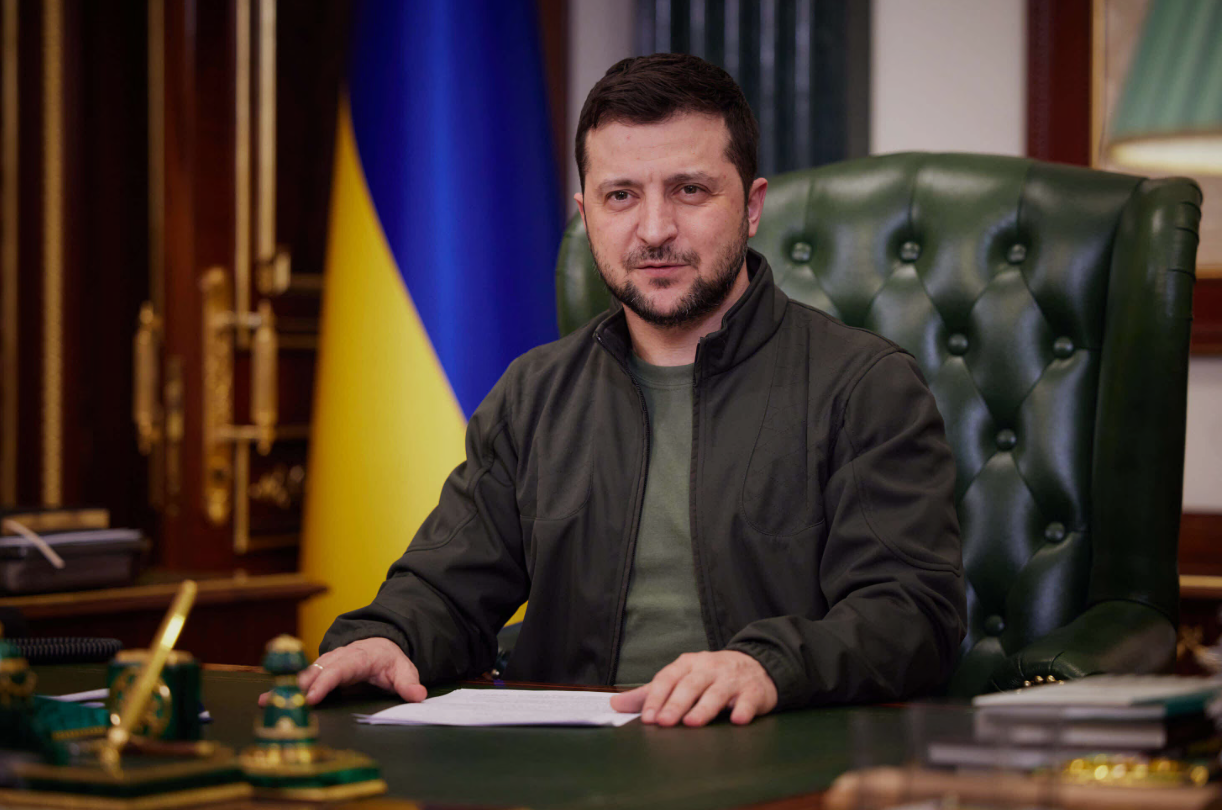
Ukrainian President Volodymyr Zelenskyy has named Ghana among 47 countries whose citizens he says Russia is using in its war against Ukraine, urging governments to prevent their nationals from being drawn into foreign military recruitment networks. The warning has particular significance for Ghana following previous reports of Ghanaians being recruited to fight in the conflict.
Ukrainian President Volodymyr Zelenskyy has specifically named Ghana among 47 countries whose citizens he says Russia is using in its war against Ukraine, urging governments to take action to prevent their nationals from being drawn into the conflict.
Zelenskyy made the remarks during his address to the 81st United Nations General Assembly in New York, where he alleged that foreign nationals from dozens of countries had ended up fighting alongside Russian forces.
He specifically mentioned Ghana alongside Nepal, Tajikistan, India, Yemen, Kenya, Zimbabwe, Cuba, Belarus, Sudan and South Africa.
Zelenskyy said Ukraine had encountered foreign nationals on the battlefield and alleged that some had ended up in Russia through deception and other recruitment schemes.
“We know that Russia uses citizens of 47 countries in its war,” Zelenskyy told the General Assembly.
He appealed directly to governments to protect their citizens and prevent them from being drawn further into the conflict.
GHANA SPECIFICALLY NAMED
Ghana's inclusion gives the Ukrainian president's warning particular significance for Accra.
The issue of Ghanaians traveling to Russia and subsequently becoming involved in the war has already attracted attention from the Ghanaian government.
Foreign Affairs Minister Samuel Okudzeto Ablakwa said earlier in September that 62 Ghanaians had died in connection with the Russia-Ukraine war, while 15 remained missing.
He also said two Ghanaians were being held by Ukrainian authorities as prisoners of war.
Ghanaian authorities have previously raised concerns about recruitment networks allegedly targeting young people with promises of employment and other opportunities abroad.
The government has been engaging Russian authorities over the issue and seeking ways to prevent additional Ghanaians from being drawn into the conflict.
ZELENSKYY ALLEGES DECEPTION AND RECRUITMENT
Zelenskyy's broader allegation is that some foreign nationals did not initially travel to Russia intending to become frontline combatants.
He told the UN that some foreigners had ended up in Russia through what he described as deception and tricks.
Ukraine says it has encountered foreign fighters from numerous countries among Russian forces and has received requests concerning some foreign nationals captured during the war.
The exact number of citizens from each of the 47 countries allegedly involved was not provided by Zelenskyy during his speech.
He also did not provide a Ghana-specific figure.
The claim that Russia is using citizens from 47 countries is an allegation made by the Ukrainian government and should not, without independent verification, be treated as an independently established figure.
GHANAIAN RECRUIT RECOUNTED HIS EXPERIENCE
Concerns about Ghanaian nationals becoming involved in the war are not entirely theoretical.
Earlier this year, JoyNews reported the account of 25-year-old Ghanaian Maxwell Aidoo, who said he traveled to Russia after being offered what he believed would be employment assisting military personnel.
According to Aidoo, he later discovered that he was expected to join the Russian military.
He said he and other foreign nationals underwent military training before being deployed.
Aidoo claimed he was subsequently wounded during fighting and eventually returned to Ghana with serious injuries.
His account provided a rare first-person description of how at least one Ghanaian says he became involved in the conflict.
His individual claims do not independently establish the scale of any broader recruitment operation.
GHANA HAS ALREADY RAISED CONCERNS
The Ghanaian government has previously said some citizens were being lured into the conflict through recruitment arrangements that did not clearly disclose the risks they would face.
Foreign Minister Ablakwa has said the government is working to disrupt illegal recruitment networks and engage foreign governments over Ghanaians caught in difficult situations abroad.
The reported deaths of Ghanaian nationals have increased pressure for stronger public awareness about overseas employment offers connected to Russia and other destinations.
Authorities have urged citizens to carefully verify overseas employment opportunities before traveling.
OTHER COUNTRIES HAVE FACED SIMILAR CASES
Ghana is not alone in confronting the issue.
India has publicly acknowledged that hundreds of its citizens were recruited into the Russian armed forces.
Indian authorities have repeatedly engaged Moscow seeking the discharge and repatriation of their nationals.
India's government said earlier this month that 227 Indian citizens had been recruited into the Russian armed forces, with 139 discharged and 51 reported dead.
Other countries have also investigated cases involving citizens who traveled to Russia before becoming involved in military service.
Those independently acknowledged cases provide evidence that foreign nationals have entered Russian military service, although they do not independently verify Zelenskyy's complete claim involving citizens of 47 countries.
ZELENSKYY URGES GOVERNMENTS TO INTERVENE
Zelenskyy's message at the UN was directed at governments rather than only the foreign nationals themselves.
He urged the countries involved to take responsibility for protecting their citizens and preventing additional recruitment.
The Ukrainian president also called on governments to increase pressure on Moscow and restrict resources that could be used to continue the war.
For Ghana, however, the immediate concern is closer to home.
With Ghanaian authorities already acknowledging deaths, missing citizens and prisoners of war connected to the conflict, Zelenskyy's decision to specifically name Ghana places renewed international attention on how Ghanaians are reaching the battlefield and what can be done to prevent further cases.
The precise scale of Ghanaian recruitment remains unclear.
But the combination of Ghana's own previously disclosed cases and Zelenskyy's latest warning is likely to increase scrutiny of overseas recruitment networks offering Ghanaians employment or other opportunities connected to Russia.