

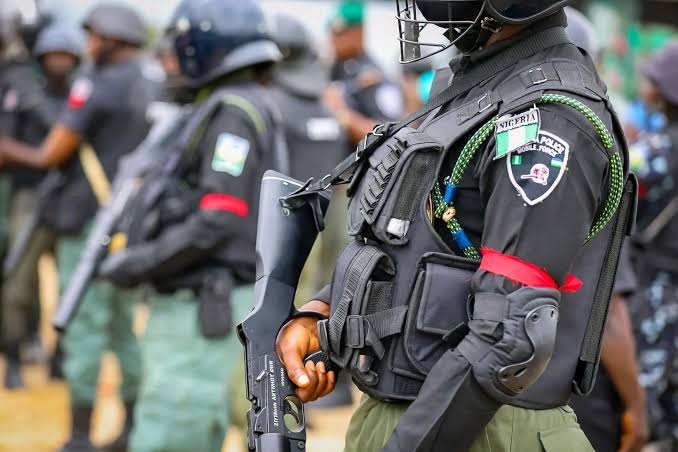
Nigeria Is About to Hand Its Governors Guns, Badges and Power. All 36 States Just Said Yes
All 36 state Houses of Assembly in Nigeria have approved the proposed constitutional amendment to establish state police, according to a Monday statement from the Clerk to the National Assembly, Kamoru Ogunlana. He described the unanimous endorsement as an unprecedented demonstration of cooperation between the federal and state legislatures. The approval far exceeds the threshold in Section 9(2) of the 1999 Constitution, which requires backing from at least two-thirds of the states, or 24 of 36. The bill now awaits formal transmission to President Bola Tinubu for assent. If signed, it would end more than five decades of a single, centrally controlled police force and mark one of the most significant changes to Nigeria's security architecture since the return to civilian rule in 1999. The reform arrives against a backdrop of persistent insurgency in the northeast, mass kidnappings and banditry in the northwest, farmer-herder violence in the Middle Belt, and separatist-linked unrest in the southeast. Supporters argue that decentralized policing will bring officers closer to communities and fill dangerous gaps left by an overstretched federal force. Critics warn that governors could turn state police into political weapons, that many states cannot fund them, and that weak safeguards could deepen abuse rather than reduce crime. Tinubu, a longtime advocate of state policing, is widely expected to sign. The harder test will be the enabling laws, funding models, and oversight structures that determine whether state police make Nigerians safer or simply create new instruments of power.