2027 ELECTIONS: DEFENCE MINISTER CHRISTOPHER MUSA DECLARES APC MEMBERSHIP, DEFENDS PARTICIPATION IN TINUBU’S RE-ELECTION CAMPAIGN
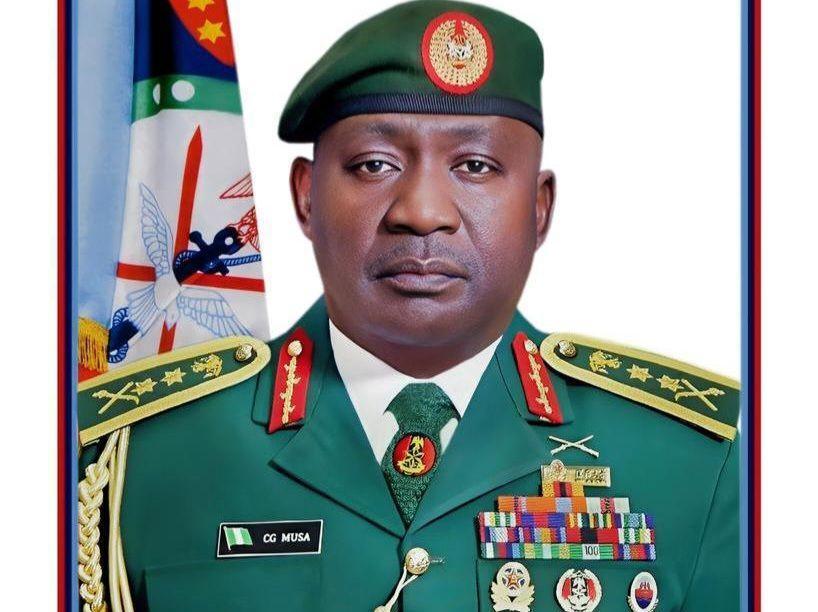
Nigeria's Minister of Defence, retired General Christopher Musa, has publicly declared his membership of the All Progressives Congress and defended his participation in political campaigns supporting President Bola Ahmed Tinubu's re-election ahead of the 2027 general elections. Speaking during an interview on Arise Television, the former Chief of Defence Staff maintained that his retirement from active military service permits him to engage in partisan politics without compromising his official responsibilities. Musa assured Nigerians that security agencies would protect citizens regardless of their political affiliations and reaffirmed the Federal Government's commitment to peaceful, free and fair elections. He also identified internal party disputes as a potential source of electoral violence, warned that violent conduct would not be tolerated and urged Nigerians to reject attempts by politicians to manipulate them into endangering their lives.
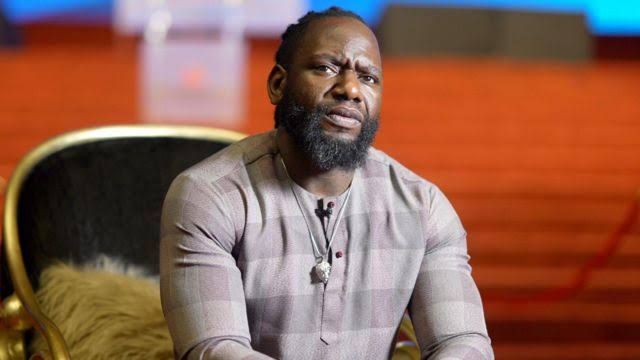
Nigeria's Minister of Defence and former Chief of Defence Staff, retired General Christopher Musa, has publicly defended his participation in political campaign activities ahead of the 2027 general elections, declaring his membership of the ruling All Progressives Congress and insisting that his position as a civilian political officeholder permits him to engage in partisan politics. Speaking during an interview on Arise Television, Musa dismissed concerns surrounding his appearance at campaign rallies organized in support of President Bola Ahmed Tinubu's re-election, emphasizing that he is no longer a serving military officer and is therefore entitled to participate in political activities. His remarks have brought renewed attention to the relationship between partisan political involvement and the obligation of senior government officials responsible for national security to ensure that state institutions operate impartially during elections.
Responding directly to questions about whether his participation in political campaigns was appropriate given his responsibilities as defence minister, Musa maintained that his retirement from active military service had changed the legal and professional framework governing his conduct. He distinguished his current position as a political appointee from his former responsibilities as a serving military commander, arguing that restrictions applicable to active-duty personnel should not automatically be extended to retired officers holding civilian government positions. The minister also made clear that his support for the ruling party was not a matter of speculation, openly acknowledging his political affiliation.
“I'm not a military chief, man. I belong to APC. I'm allowed to do that,” Musa stated during the interview. His declaration addressed criticism surrounding his appearance at political gatherings supporting Tinubu's second-term ambition, particularly concerns about whether the country's most senior political official responsible for defence matters should participate openly in partisan campaign activities. Musa maintained that his political affiliation would not prevent him from fulfilling his responsibilities toward Nigerians belonging to opposition parties or those without any political affiliation.
The defence minister emphasized that the protection of lives and property during political activities would remain a national responsibility rather than a privilege reserved for members of the governing party. He argued that the security arrangements available to APC supporters would also be available to individuals participating in legitimate political activities organized by other parties. His assurances were intended to address concerns that his public association with the ruling party could influence the manner in which security institutions respond to opposition campaigns, electoral disputes or incidents of political violence.
“I can do that for everybody. It's not just for APC,” Musa said, explaining that the relevant security agencies would be adequately prepared to maintain law and order during political activities. He maintained that his personal political preferences should not be interpreted as evidence that security institutions would discriminate against Nigerians on the basis of their party membership. The minister further assured the public that the Federal Government remained committed to creating conditions conducive to peaceful, free and fair elections in 2027.
Musa's declaration comes at a politically sensitive moment as preparations for Nigeria's next general elections increasingly dominate national discussions. Political parties, prospective candidates and influential officeholders have begun positioning themselves ahead of the contest, while concerns about electoral security, political intimidation and institutional neutrality continue to attract public attention. Given his extensive military background and current responsibility for defence policy, Musa's participation in campaign activities carries particular significance within discussions concerning the boundaries between political leadership and the professional obligations of the country's security institutions.
Before his appointment as defence minister, Musa served as Nigeria's Chief of Defence Staff, occupying one of the most important positions within the country's military establishment. His responsibilities included coordinating the activities of the Armed Forces and overseeing military operations addressing various security threats across the country. His subsequent transition into civilian political leadership placed him within a different administrative structure, where his responsibilities involve government defence policy and oversight rather than serving as an active-duty military commander.
That distinction forms the foundation of Musa's response to criticism concerning his political activities. Serving members of the Nigerian Armed Forces are subject to military regulations and professional requirements intended to preserve the political neutrality of the institution. Retired officers, by contrast, have historically participated in civilian politics, joined political parties, contested elections and accepted appointments within successive administrations. Nigeria's democratic history includes numerous former military officers who subsequently entered partisan politics, including individuals who occupied senior positions within both the executive and legislative branches of government.
However, the legal ability of a retired military officer to join a political party is distinct from the broader question of how a serving defence minister should exercise the authority associated with public office. Cabinet ministers appointed under a civilian administration may possess political affiliations and support the governing party's policies, but their official responsibilities remain subject to constitutional requirements, applicable legislation and principles governing the proper use of public resources. Musa's declaration of APC membership does not, by itself, establish that he has violated those obligations, just as his retirement does not remove the requirement to administer defence responsibilities in accordance with the law.
The minister's assurances concerning equal protection are therefore particularly important because his portfolio places him in a position of considerable influence within Nigeria's national security framework. The Ministry of Defence oversees matters involving defence policy, military administration and the broader institutional arrangements supporting the Armed Forces. Although operational military responsibilities are exercised through established command structures, the ministry's political leadership plays an important role in determining government priorities and coordinating defence-related policies. Maintaining a clear distinction between partisan campaign activities and official security responsibilities is consequently essential to preserving confidence in those institutions.
Nigeria's Constitution recognizes the right of citizens to associate freely and participate in political organizations, subject to applicable legal restrictions. Those protections provide an important foundation for the participation of retired public servants and former military personnel in civilian political life. Nevertheless, constitutional protections concerning political association coexist with legal and professional obligations governing individuals who occupy positions of public authority. The application of those requirements depends on the circumstances of particular activities, including whether public resources or official powers are being used for partisan purposes.
Musa's assertion that he is legally permitted to participate in campaigns represents his interpretation of the framework governing his current position. The available interview excerpts do not establish that a court or other competent authority has independently examined the specific campaign appearances that prompted the controversy. It is therefore important to distinguish the general entitlement of retired military officers to participate in politics from any separate legal questions that might arise concerning the conduct of a serving cabinet minister. No evidence accompanying the remarks establishes that Musa directed serving military personnel to participate in partisan campaigning or deployed military resources to promote Tinubu's candidacy.
The defence minister also addressed broader concerns about political violence ahead of the 2027 elections, maintaining that President Tinubu had repeatedly warned against actions capable of threatening public safety during the electoral process. Musa said the Federal Government was determined to prevent incidents of intimidation, clashes and other forms of violence that could undermine citizens' ability to participate freely in political activities. His comments emphasized that individuals responsible for violent conduct should face appropriate consequences regardless of their political affiliations.
The minister rejected suggestions that political violence should be understood exclusively as an issue involving attacks against opposition parties. According to Musa, disagreements within political organizations, particularly disputes surrounding nominations and competition among individuals seeking elective office, can also contribute to violent confrontations. His remarks drew attention to the internal tensions that frequently emerge during electoral preparations, when competing aspirants attempt to secure party nominations and influence the composition of campaign structures.
“The enemy is not only outside; it's also within. And so that's based on findings,” Musa stated, referring to the possibility that some incidents of political violence may originate from disagreements among members of the same organization. The minister did not, in the supplied excerpts, identify particular investigations or publish findings establishing responsibility for individual incidents. His comments should therefore be understood as a general assessment of the sources of political violence rather than a determination that specific attacks against opposition figures were organized internally.
Intraparty disputes have historically formed an important component of Nigeria's political environment, particularly during periods preceding primary elections. Competition for presidential, governorship, legislative and local government nominations can generate disagreements concerning candidate selection, delegate accreditation and the implementation of party rules. Where those disputes are not managed through credible internal procedures, they may develop into confrontations involving supporters of competing aspirants. Political violence can also occur between rival parties, making it necessary for investigators to examine the circumstances surrounding each incident rather than assume responsibility solely on the basis of political affiliation.
Nigeria's experiences during previous election cycles have demonstrated the consequences of political violence for democratic participation. Threats against voters, attacks on campaign gatherings and intimidation involving electoral officials can discourage citizens from exercising their constitutional rights. Such incidents can also undermine public confidence in election results, particularly where affected communities believe that security institutions failed to provide adequate protection or respond appropriately to reported offenses. Ensuring a credible electoral process consequently requires sustained attention to security arrangements before, during and after voting.
Although the Armed Forces can provide support during major national security emergencies and election-related deployments where legally authorized, the Nigeria Police Force generally performs the principal law enforcement role during elections. The Independent National Electoral Commission coordinates electoral administration, while security agencies cooperate through established institutional arrangements intended to protect voters, election personnel and sensitive materials. Maintaining clarity concerning the responsibilities of those institutions is important because election security involves more than decisions taken by the Ministry of Defence.
Security preparations typically require coordination among numerous government agencies, particularly in areas facing insurgency, kidnapping, communal conflict or other threats capable of disrupting public gatherings. Election officials must be able to transport materials safely, access polling locations and undertake their responsibilities without intimidation. Voters must similarly be able to participate without fearing violence or discriminatory treatment. Effective security arrangements therefore depend on professional conduct across several institutions rather than the political affiliation of any individual government official.
The challenge becomes particularly significant where citizens express concerns about the impartiality of institutions responsible for enforcing electoral laws. Public confidence depends not only on assurances issued by senior officials but also on the manner in which security agencies respond to incidents involving different political groups. Comparable allegations should receive appropriate scrutiny regardless of whether the individuals concerned belong to the governing party or an opposition organization. Transparent investigations, consistent enforcement and accountability for misconduct are important mechanisms through which authorities can demonstrate that security arrangements are being implemented impartially.
For opposition parties, the defence minister's public declaration of support for the APC may raise questions about the relationship between political appointments and the operational independence of security institutions. Those concerns do not independently establish that the Armed Forces will act in a partisan manner, but they underline the importance of maintaining professional safeguards throughout the electoral process. Musa's response places responsibility on the government to demonstrate through its actions that participation in political campaigns will not influence decisions concerning the protection of opposition candidates, supporters or members of the public.
For the ruling party, the minister's declaration represents an explicit acknowledgment of his political alignment with the administration under which he serves. Cabinet members frequently participate in activities promoting the policies and electoral objectives of their respective governments, particularly as elections approach. Nevertheless, the political participation of an official responsible for national security carries additional public scrutiny because of the authority associated with that portfolio. The legitimacy of such involvement depends partly on preserving the institutional distinction between personal or party political activities and the official exercise of government responsibilities.
The controversy also highlights the importance of Nigeria's established principles of civilian control over the military. Under a constitutional democratic system, elected leaders and appointed civilian officials exercise oversight of national defence policy, while professional military institutions are expected to perform their responsibilities without becoming instruments of partisan political competition. Civilian control does not require every government official involved in defence matters to abandon political affiliations. It does, however, require that decisions affecting the Armed Forces remain consistent with constitutional obligations and legitimate national security objectives.
Nigeria's history makes that distinction particularly consequential. The country experienced prolonged periods of military government before returning to civilian democratic rule in 1999. Since that transition, maintaining the professional separation of serving military personnel from partisan political activity has remained an important component of democratic governance. Former military officers have continued to participate in electoral politics after leaving active service, demonstrating that military experience does not permanently exclude an individual from civilian political participation. The institutional challenge involves ensuring that those transitions do not undermine the neutrality of personnel who remain in active service.
Musa's appointment to a civilian ministerial position represents an example of how military experience can be incorporated into the administration of national defence policy. Former senior officers can bring extensive knowledge of security institutions, military operations and the challenges confronting national defence arrangements. At the same time, civilian political office introduces responsibilities that differ from those associated with professional military command. Navigating that transition requires recognition of both the freedoms available to political officeholders and the institutional safeguards necessary to protect public confidence.
The defence minister's comments also come against the backdrop of persistent security challenges across Nigeria. Communities in different parts of the country continue to confront threats involving insurgency, armed criminal organizations, kidnapping and communal violence. Addressing those challenges remains a principal responsibility of the Federal Government, regardless of the approaching election cycle. Security institutions must therefore balance preparations for political activities with their existing operational responsibilities, ensuring that election-related demands do not compromise the protection of communities already experiencing serious insecurity.
The approaching campaign period could create additional demands on security agencies as political organizations arrange rallies, consultations and public engagements across the country. Large gatherings require appropriate safety planning, while competition between political groups can increase the need for effective conflict prevention and law enforcement. Ensuring that security protection is available according to legitimate public safety requirements rather than political considerations will be important to maintaining an environment in which competing candidates can communicate with voters.
Musa concluded his interview by directing attention toward the responsibility of ordinary Nigerians to reject attempts by politicians to involve them in violent activities. He warned that political competition should not justify conduct capable of destroying lives or destabilizing communities. His message emphasized the personal consequences of electoral violence, particularly for individuals who may be encouraged to confront political opponents without considering the lasting effects on themselves and their families.
“Don't allow anybody to use you in any way. No Nigerian life is worth it,” the minister stated. His appeal reinforced the position that political disagreements should be resolved through democratic institutions, lawful campaigning and the electoral process rather than intimidation or physical confrontation. It also acknowledged that preventing electoral violence requires cooperation between government institutions, political organizations, community leaders and citizens.
The responsibility of political parties remains particularly important in that regard. Party leaders and candidates influence the conduct of supporters through their public statements, campaign strategies and responses to disputes. Clear rejection of violent behavior, appropriate disciplinary measures and cooperation with law enforcement can contribute to reducing tensions. Conversely, failure to address credible allegations involving political supporters can weaken public confidence in assurances that elections will be conducted peacefully.
As the 2027 general elections approach, the credibility of government commitments concerning electoral security will increasingly depend on practical implementation. Nigerians will be looking for evidence that political gatherings receive appropriate protection, that allegations of intimidation are investigated consistently and that security agencies operate without discrimination. Those expectations apply equally to incidents involving governing party supporters, opposition organizations and individuals participating in politics independently.
Several questions remain concerning the precise campaign activities that prompted criticism of Musa and whether formal complaints have been submitted to relevant authorities. The available account does not establish that any court has ruled against his participation or that an official investigation has identified improper use of defence resources. Equally, the minister's personal assurances cannot substitute for independent assessment of how security institutions perform their responsibilities during the election period. Subsequent developments will provide a clearer basis for evaluating whether the distinction he has drawn between political affiliation and official duty is maintained in practice.
For now, Christopher Musa has made his political position explicit, acknowledging his membership of the APC and defending his entitlement to support President Tinubu's re-election campaign as a retired military officer holding civilian political office. He has simultaneously pledged that security institutions will protect Nigerians irrespective of their political affiliations and warned against violence from both rival parties and competing groups within the same organization. Those commitments place renewed emphasis on the importance of institutional neutrality, professional security operations and equal protection throughout the electoral process.
The larger significance of Musa's declaration lies in the relationship between the political freedoms enjoyed by civilian officeholders and the responsibilities attached to positions of national security authority. His membership of the APC does not diminish the rights of opposition supporters to receive protection, nor does it remove the obligation of government institutions to perform their duties impartially. As Nigeria moves toward another consequential election cycle, the government's commitment to peaceful, free and fair elections will ultimately be assessed through the conduct of its institutions, the accountability of political actors and the ability of citizens to exercise their democratic rights without intimidation, discrimination or fear of violence.