
CHEVRON EVACUATES WORKERS FROM GULF PLATFORMS AS TROPICAL SYSTEM THREATENS U.S. ENERGY HUB
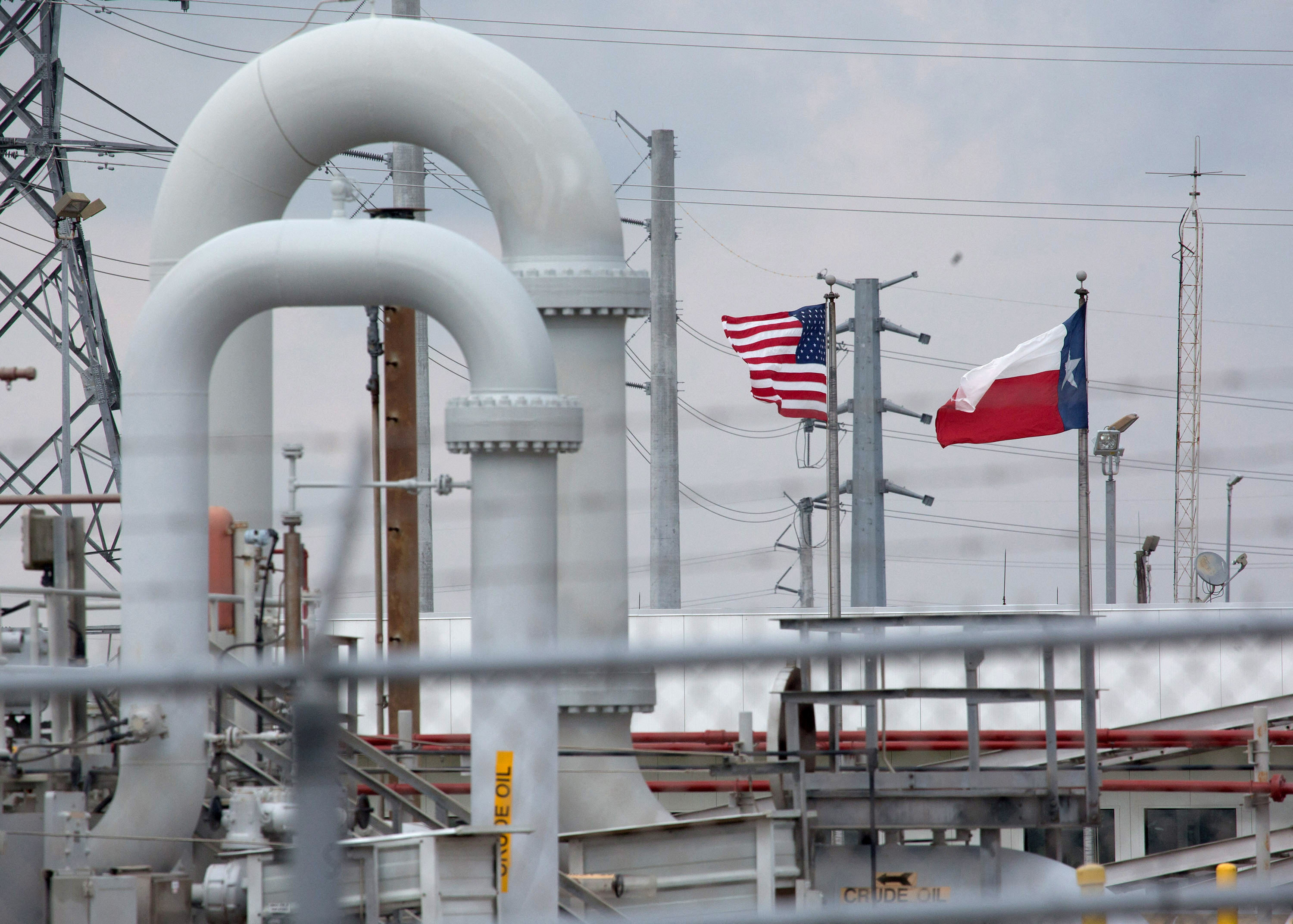
Chevron has begun evacuating non-essential workers from Gulf of Mexico platforms as Tropical Depression Nine strengthens and approaches the U.S. Gulf Coast. Production remains at normal levels for now, but the storm is threatening a region responsible for a significant share of U.S. oil, natural gas and refining capacity
Chevron has begun evacuating non-essential personnel from offshore oil and gas platforms in the Gulf of Mexico as Tropical Depression Nine moves across the basin and forecasters warn that the system could strengthen rapidly before approaching the U.S. Gulf Coast, placing one of the country’s most important energy-producing regions on heightened alert.
The company started moving workers from offshore facilities considered potentially vulnerable on Tuesday night while continuing normal oil and natural gas production from its operated assets. Chevron said it had not yet shut in production and that its onshore facilities were following established storm-preparation procedures as officials monitored the storm’s path, intensity and potential effects on offshore installations, coastal infrastructure and refinery operations.
The evacuations represent a precautionary step rather than evidence that production has already been disrupted. Offshore companies routinely begin transporting non-essential workers to shore before tropical systems arrive because personnel transfers become increasingly dangerous once winds and seas deteriorate. Essential crews can remain aboard some facilities for longer periods, but companies can later reduce or halt production if forecast conditions threaten the safety of workers or equipment.
The developing system was classified as Tropical Depression Nine on Tuesday afternoon, with maximum sustained winds of about 35 miles per hour as it moved slowly eastward across the southwestern Gulf. Forecasters said the depression was expected to strengthen into a tropical storm and could intensify further as it moved over warm Gulf waters, raising the possibility that it could become the first Atlantic hurricane of the 2026 season before approaching the northern Gulf Coast.
The storm’s developing track has drawn particular attention because the Gulf of Mexico is one of the most important energy corridors in the United States. Offshore platforms in the region account for roughly 15 percent of U.S. crude oil production and about 5 percent of domestic natural gas output, while the surrounding coastline contains a dense concentration of refineries, petrochemical plants, pipelines, terminals, storage facilities and export infrastructure.
That concentration means even a relatively short period of severe weather can influence energy markets well beyond the area directly affected by the storm. Offshore production can be suspended as platforms are evacuated, while refineries may reduce operations if flooding, high winds or power failures threaten coastal facilities. Ports can also close to marine traffic, delaying crude imports, refined product exports and tanker movements.
Oil prices were already rising on Wednesday as traders assessed the Gulf storm alongside separate concerns about disruptions in the Middle East. Brent crude moved back above $100 a barrel, while U.S. West Texas Intermediate crude traded near $90, reflecting a market already dealing with unusually tight supply conditions before the new weather threat emerged.
The significance of the Gulf storm therefore extends beyond whether Chevron ultimately shuts down individual platforms. Global oil and fuel markets are already under pressure from conflict affecting Middle Eastern shipping routes, attacks on energy infrastructure and concerns that available supply buffers are becoming increasingly limited. Any interruption to U.S. Gulf production or refining could add another layer of risk at a time when traders are already paying close attention to the availability of crude oil, gasoline and diesel.
Chevron’s decision to begin worker evacuations is one of the first visible signs that the energy industry is moving from routine monitoring into active storm preparation. The company operates several major deepwater assets across the Gulf, where production facilities can sit hundreds of miles offshore and require helicopters or specialized vessels to move personnel safely.
Those logistics mean evacuation decisions often have to be taken before forecasters can say with complete certainty where a storm will make landfall. Waiting until hurricane-force winds are imminent could leave workers stranded offshore or make helicopter flights too dangerous, so companies generally begin with non-essential personnel while continuing to monitor whether conditions justify broader shutdowns.
Chevron said production remained at normal levels from its operated Gulf assets as the evacuation process began. That distinction is important because moving workers does not automatically mean oil and gas output has been stopped. Modern offshore platforms can continue operating with reduced staffing for a period, although production may later be shut in if the threat increases.
The company’s onshore facilities have also activated storm preparedness procedures. Those preparations can include securing equipment, checking backup power supplies, protecting hazardous materials, adjusting inventories, reviewing emergency staffing arrangements and preparing for flooding or interruptions to transportation networks.
Other offshore operators were also monitoring the system as it developed. Federal officials responsible for offshore energy activity said they were tracking evacuation decisions and platform operations as companies responded to the storm. Early industry reports showed relatively limited disruption across the wider Gulf, indicating that the sector had not yet moved into a full-scale shutdown phase.
That could change quickly if the storm strengthens as forecast.
The National Hurricane Center said the depression was expected to become better organized as it moved over the Gulf, an environment where high ocean temperatures can provide significant energy for tropical systems. Forecast confidence generally improves as a storm develops a better-defined circulation, but changes in steering winds can still alter the final track and determine which offshore fields, ports and coastal cities face the greatest threat.
Louisiana and Mississippi are among the areas being closely watched because of their concentration of oil refineries and petrochemical infrastructure. The coastline between eastern Texas and Mississippi contains some of the largest refining complexes in the world, making the region central not only to U.S. fuel supplies but also to global exports of gasoline, diesel and other petroleum products.
A direct hit on refining infrastructure can sometimes have a greater immediate effect on fuel prices than the temporary loss of offshore crude production. Oil platforms can often restart relatively quickly after a storm passes if inspections find no damage, while refineries affected by flooding, power failures or equipment damage may take considerably longer to return to full operation.
The distinction helps explain why traders are watching both the offshore track and the expected landfall area. A storm that passes over producing fields without damaging coastal refineries could have a relatively short-lived impact on supply. A system that forces refinery shutdowns or closes major ports could create a more complicated disruption affecting fuel markets across the United States and potentially overseas.
The Gulf Coast is particularly important to U.S. gasoline and diesel production. Refineries in Texas and Louisiana process millions of barrels of crude oil each day, while export terminals along the coast ship large volumes of fuel to Latin America, Europe and other international markets.
The approaching storm comes during what has otherwise been an unusually quiet Atlantic hurricane season. Forecasters had expected below-normal overall activity in 2026, and the Atlantic had gone unusually deep into the season without producing a hurricane. Tropical Depression Nine could change that if it strengthens as projected.
A quiet season does not necessarily mean a low-risk season. One storm reaching a major population or industrial center can create more damage than several hurricanes that remain over open water, and the Gulf Coast’s concentration of energy infrastructure makes even modest systems economically important.
Chevron has extensive experience operating through Gulf hurricanes and tropical storms. Companies working offshore maintain formal emergency plans because severe weather is an expected operational risk every hurricane season. Those plans typically establish thresholds for removing non-essential workers, suspending drilling, shutting production wells and completely evacuating a platform.
The timing of each step depends on the storm’s projected path, wind speed, wave conditions and the amount of time required to transport crews safely back to shore. Deepwater installations located far from the coastline may begin preparations earlier than facilities closer to land because evacuation flights require longer operating windows.
The industry has learned those procedures through decades of major Gulf storms, including hurricanes that damaged platforms, pipelines and refineries and temporarily removed large volumes of U.S. production from the market. Stronger offshore design standards and improved forecasting have reduced some risks, but hurricanes remain capable of forcing extensive shutdowns.
Companies must also inspect facilities before production can resume after a major storm. Even when a platform appears undamaged, operators typically check subsea systems, structural components, pipelines and communications equipment before restarting wells. That means output can remain offline after skies clear if inspections identify problems.
For now, Chevron has not reached that stage. The company’s announcement indicates that its response remains preventive, with workers being moved out of potential danger while production continues. The next decisions will depend largely on how quickly Tropical Depression Nine strengthens and whether its forecast path moves closer to Chevron-operated facilities or critical sections of the Gulf Coast.
Energy markets are watching those developments more closely than they might during a normal year because supply conditions are already unusually sensitive. Oil prices have been supported by geopolitical tensions and concerns about the reliability of major export routes, while fuel markets have faced tighter availability in several regions.
Chevron Chief Executive Mike Wirth warned this week that global oil and fuel supply buffers were becoming thinner, leaving markets more vulnerable to disruptions. When spare capacity and commercial inventories are comfortable, temporary offshore shutdowns can often be absorbed without major consequences. When supply margins are narrower, weather disruptions can have a larger effect on prices.
That does not mean the current storm will necessarily cause a major energy shock. Forecasts can change, facilities may remain outside the strongest part of the system, and production can continue if operators determine conditions are safe. Chevron had not announced any production shut-ins as of its latest update.
Still, oil prices moved higher as traders began adding weather risk to an already complicated global supply picture. The storm is approaching at the same time that energy markets are dealing with military conflict and attacks affecting Middle Eastern oil flows, creating multiple potential sources of disruption in two of the world’s most important energy-producing regions.
The U.S. Gulf has also become increasingly important to international markets because the United States has grown into one of the world’s largest oil and natural gas producers and exporters. Gulf Coast terminals handle substantial volumes of crude oil, petroleum products and liquefied natural gas, meaning severe weather in the region can affect buyers far beyond the United States.
Natural gas markets will also be watched because the Gulf Coast hosts several large liquefied natural gas export facilities. While offshore Gulf gas production now represents a smaller share of total U.S. supply than it did historically, interruptions to LNG terminals or pipeline systems can affect international gas flows and domestic pricing.
Much will depend on the storm’s final track and intensity. Tropical systems in the Gulf can strengthen quickly because of warm water, but they can also weaken if they encounter unfavorable wind patterns or move over cooler water. Small changes in track can move the strongest winds and storm surge dozens of miles away from major infrastructure.
That uncertainty is why the industry prepares early. Chevron’s evacuation of non-essential workers gives the company greater flexibility if the storm strengthens suddenly, while allowing production to continue for as long as conditions remain safe.
Federal offshore regulators are expected to continue releasing figures showing how many platforms and rigs have been evacuated and how much oil and natural gas production has been shut in if operators begin suspending output. Those numbers will provide a clearer measure of the storm’s effect on U.S. energy supply than personnel evacuations alone.
Refinery operators along the coast will also be closely watched for any decisions to reduce processing rates or temporarily shut facilities. Refinery shutdowns are complicated procedures and operators generally prefer to avoid them unless necessary, but companies may act before landfall if forecasts indicate a serious risk of flooding, power loss or damaging winds.
Ports present another potential pressure point. The U.S. Coast Guard can restrict or close waterways when conditions become dangerous for ships, preventing tankers from entering or leaving major petroleum terminals. Even short closures can create congestion when large volumes of crude and refined products are scheduled to move through the same channels.
The developing storm has therefore become a test of several parts of the Gulf energy system at once. Offshore production, worker safety, refining, ports, pipelines and export infrastructure can all be affected differently depending on where the storm travels.
Chevron’s current response remains limited and precautionary. Non-essential personnel are being transported to shore, normal production is continuing, and the company’s coastal facilities are implementing established storm procedures rather than shutting down operations.
That position could remain unchanged if the system passes away from major assets. It could also shift rapidly if forecasts deteriorate.
The most important development over the next day will be whether Tropical Depression Nine strengthens into a tropical storm and then a hurricane as forecasters expect, and whether its projected landfall places Louisiana, Mississippi or other major Gulf Coast energy centers within the strongest part of the system. Operators will also be watching the size of the storm because a broad wind field can affect offshore platforms even when the center passes some distance away.
For Chevron, the evacuation gives the company time to make those decisions without leaving unnecessary personnel exposed offshore. For energy markets, the absence of production losses means the immediate impact remains largely about risk rather than actual supply disruption.
The distinction will become increasingly important as the storm develops. If production remains normal and refineries avoid shutdowns, the current precautions may ultimately amount to a routine Gulf hurricane-season response. If operators begin shutting wells, refineries reduce output or ports close, the system could develop into a more consequential energy story at a time when global markets already have limited room for additional disruption.
As of the latest update, Chevron has kept its Gulf production running while moving workers out of harm’s way and preparing coastal facilities for worsening weather. The company’s next operational decisions, along with the storm’s expected strengthening and track toward the northern Gulf Coast, will determine whether the current evacuation remains a precaution or becomes the first stage of a broader shutdown across one of America’s most important energy regions.