

DAMAGE TO SAUDI ARABIAS CRUCIAL EAST WEST OIL PIPELINE WORSE THAN FIRST REPORTED
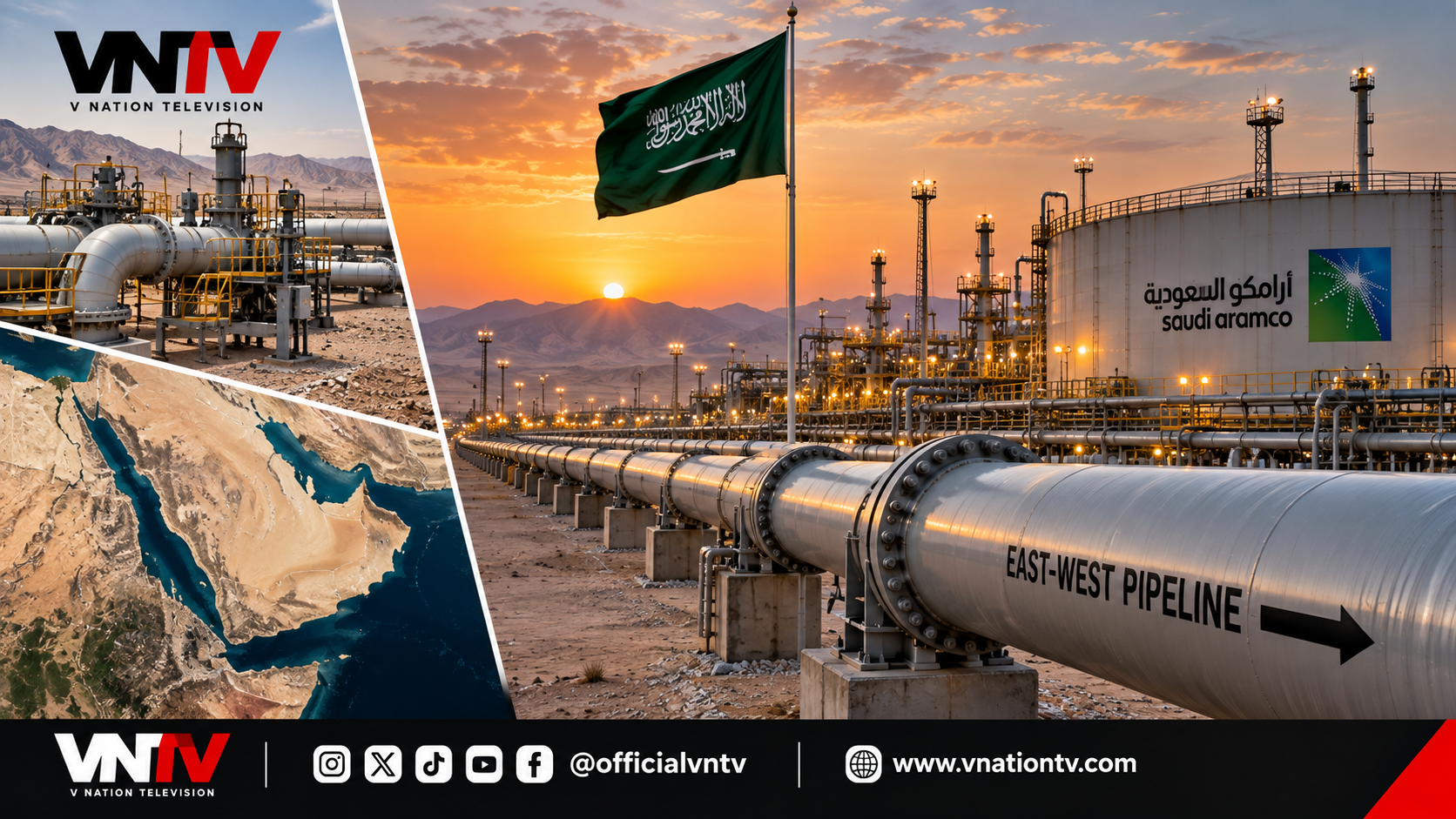
Three pumping stations on Saudi Arabia's crucial East West oil pipeline were damaged in a recent drone attack, one more than initially reported. Industry sources say repairs could take five to six weeks, although partial operations may resume sooner. The pipeline had been transporting around 4 million to 5 million barrels of oil per day while helping Saudi Arabia bypass disruptions in the Strait of Hormuz.
Damage to Saudi Arabia's crucial East West oil pipeline is more extensive than initially reported, with three pumping stations now confirmed damaged following a drone attack that temporarily shut one of the world's most important alternative oil export routes.
Earlier assessments indicated that two pumping stations had been hit. However, Reuters analysis of satellite imagery, supported by industry sources, found that three stations were damaged.
The discovery raises concerns about how quickly Saudi Arabia can restore full operations on the 1,200 kilometre pipeline, which has become increasingly important as disruption in the Strait of Hormuz restricts normal oil shipments from the Gulf.
REPAIRS COULD TAKE FIVE TO SIX WEEKS
Three industry sources told Reuters that repairs to the damaged infrastructure could take as long as five to six weeks.
Another source said repairs could be completed sooner and that Saudi Arabia may be able to resume partial pumping while work continues.
The estimates remain uncertain, and Saudi authorities have not publicly announced a timetable for full restoration of the pipeline.
Saudi Aramco operates the pipeline, which crosses the Arabian Peninsula from oil producing regions in the east to the Red Sea coast.
The system is supported by 11 pumping stations and two pressure relief stations.
PIPELINE WAS MOVING UP TO 5 MILLION BARRELS A DAY
Before the attack, the East West Pipeline was transporting roughly 4 million to 5 million barrels of crude oil per day.
That represented approximately 4 percent to 5 percent of global oil supply.
Its strategic importance has increased dramatically because it allows Saudi crude to reach the Red Sea port of Yanbu without travelling through the Strait of Hormuz.
The waterway has faced severe disruption during the wider Middle East conflict, making Saudi Arabia's overland pipeline one of the most important alternative routes for moving Gulf oil to international markets.
ATTACK FORCED TEMPORARY SHUTDOWN
Saudi officials said the pipeline was temporarily shut following a drone attack originating from Iraq.
The attack damaged infrastructure along the route and disrupted crude deliveries to Yanbu.
Saudi Arabia has since been working to restore flows while exploring alternative methods of supplying international customers.
The disruption has already affected some oil shipments to Europe and contributed to concerns about tightening global energy supplies.
GLOBAL OIL MARKETS WATCH REPAIRS
The extent of the damage is being closely watched by energy traders because a prolonged shutdown could remove millions of barrels of daily export capacity from an already constrained market.
Oil prices climbed to around four month highs earlier this week amid concerns about Saudi supply disruptions, although prices later eased as expectations grew that at least part of the pipeline could return to operation.
Saudi Arabia has also offered additional crude to Asian refiners through alternative offshore arrangements near Oman as it seeks to reduce the impact of the disruption.
STRAIT OF HORMUZ DISRUPTION INCREASES IMPORTANCE
The East West Pipeline was originally designed to reduce Saudi Arabia's dependence on the Strait of Hormuz.
That role has become increasingly important as conflict has disrupted shipping through the strategic waterway.
The pipeline allows crude from Saudi Arabia's eastern oil fields to travel across the country to Yanbu on the Red Sea, from where tankers can reach international markets without passing through Hormuz.
For the past six months, the route has served as one of the principal alternatives for Middle Eastern oil exports affected by the disruption.
The attack has therefore highlighted the vulnerability not only of maritime energy routes but also of the infrastructure designed to bypass them.
Saudi Arabia is now under pressure to restore at least partial operations as quickly as possible while repairs continue at the damaged pumping stations.