
GERMANY'S LEFT PARTY WINS HISTORIC BERLIN ELECTION AS ELIF ERALP EYES MAYOR'S OFFICE
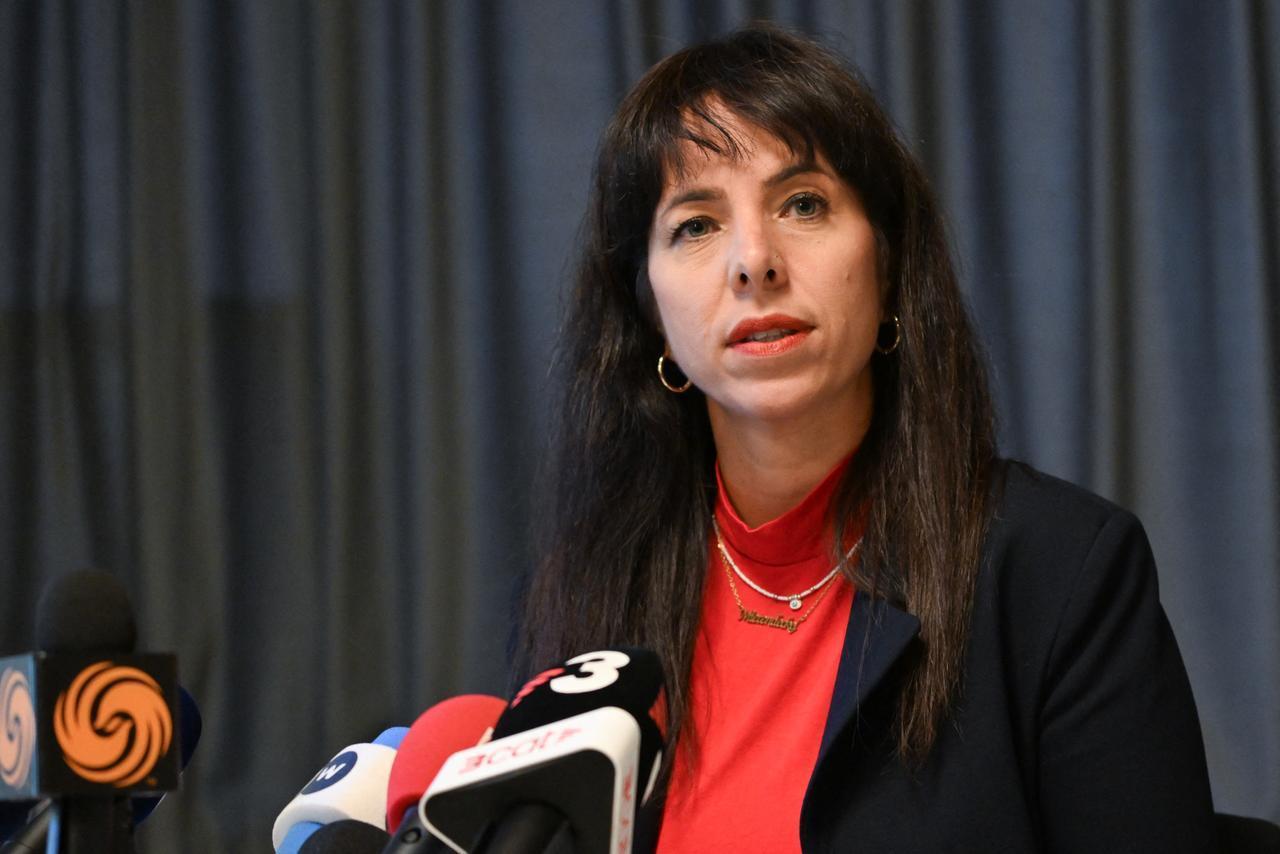
Germany's Left Party has won Berlin's state election for the first time, securing 25.7 percent according to preliminary official results. Lead candidate Elif Eralp will now seek coalition partners as she attempts to become Berlin's first governing mayor from The Left and its first from a migrant background.
Germany's Left Party has won Berlin's state election for the first time, putting lead candidate Elif Eralp in position to attempt to form a government and potentially become the German capital's first governing mayor from a migrant background.
Preliminary official results released after Sunday's election showed The Left securing 25.7 percent of the vote, more than doubling its 12.2 percent result in the previous Berlin election in 2023.
Chancellor Friedrich Merz's Christian Democratic Union finished second with 18.8 percent after governing Berlin in coalition with the Social Democratic Party.
The result represents a major political shift in Germany's capital and gives The Left its strongest result in a Berlin state election.
ERALP CELEBRATES HISTORIC RESULT
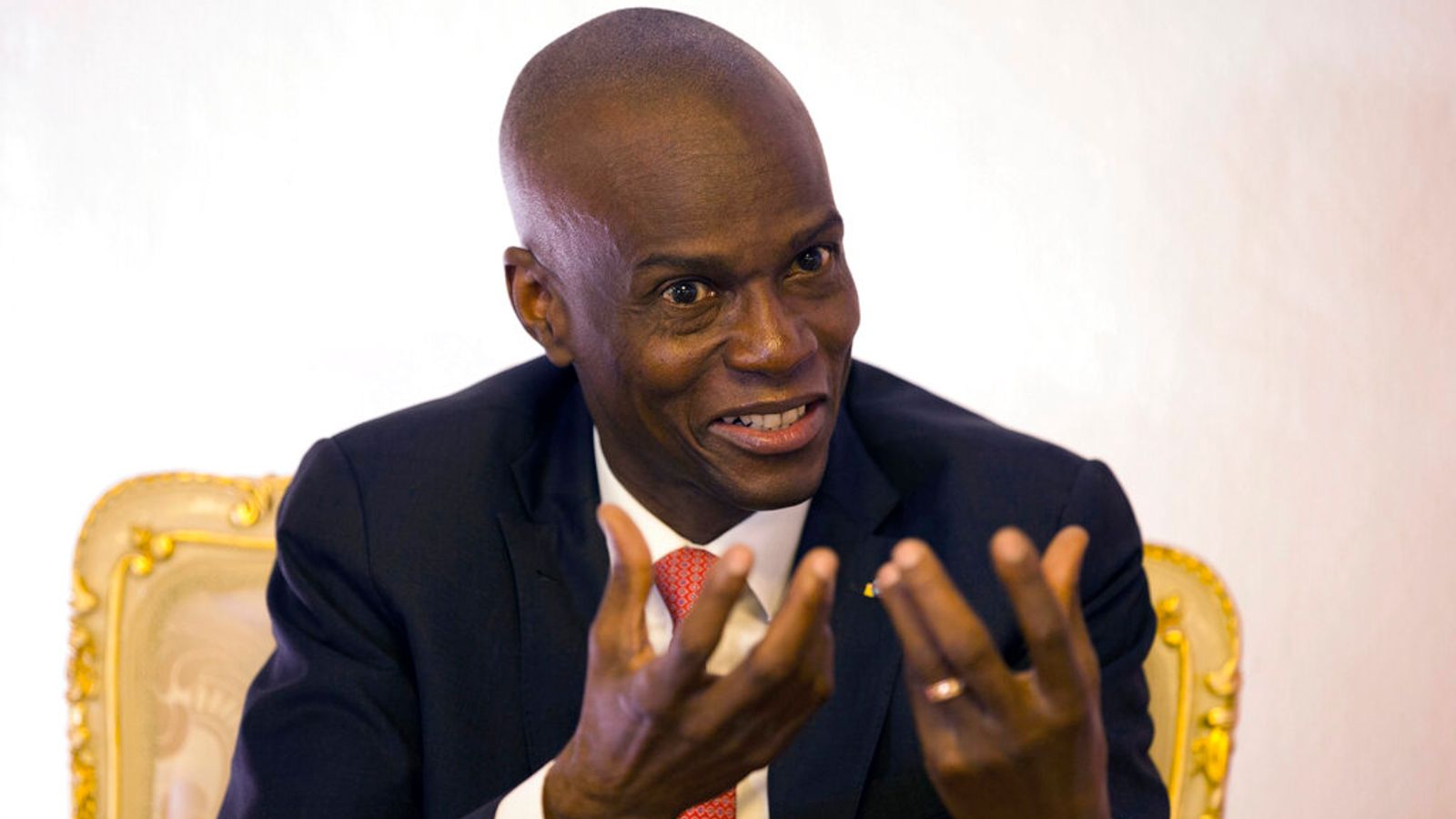
Eralp celebrated with supporters after early projections showed her party comfortably ahead.
The 45 year old politician, whose parents are from Turkey, campaigned heavily on Berlin's housing crisis and rising rental costs.
She told supporters that the result represented a mandate for political change in the capital.
The Left's performance was particularly significant because the party received just 12.2 percent in the 2023 election.
Its support has therefore more than doubled in three years.
CDU LOSES CONTROL OF BERLIN
The result represents a significant reversal for the CDU.
The party won 28.2 percent in the 2023 election and subsequently formed a government with the SPD.
Preliminary results from Sunday's vote put the CDU at 18.8 percent.
The SPD also suffered losses, receiving 12.1 percent, its worst result in a Berlin state election.
The Alternative for Germany made gains and finished with approximately 16 percent, while the Greens received more than 14 percent.
ERALP NOT YET GUARANTEED MAYOR'S OFFICE
Despite The Left's first place finish, Eralp does not automatically become Berlin's governing mayor.
Germany's coalition based political system means she must secure enough support in Berlin's House of Representatives to form a governing majority.
Eralp has indicated that she intends to hold coalition discussions with the Greens and SPD.
Both parties had signalled before the final result that cooperation could be possible, although significant policy differences remain.
The composition of the next Berlin government will therefore depend on coalition negotiations.
HOUSING DOMINATED ERALP'S CAMPAIGN
Berlin's housing crisis was one of the central issues of the election.
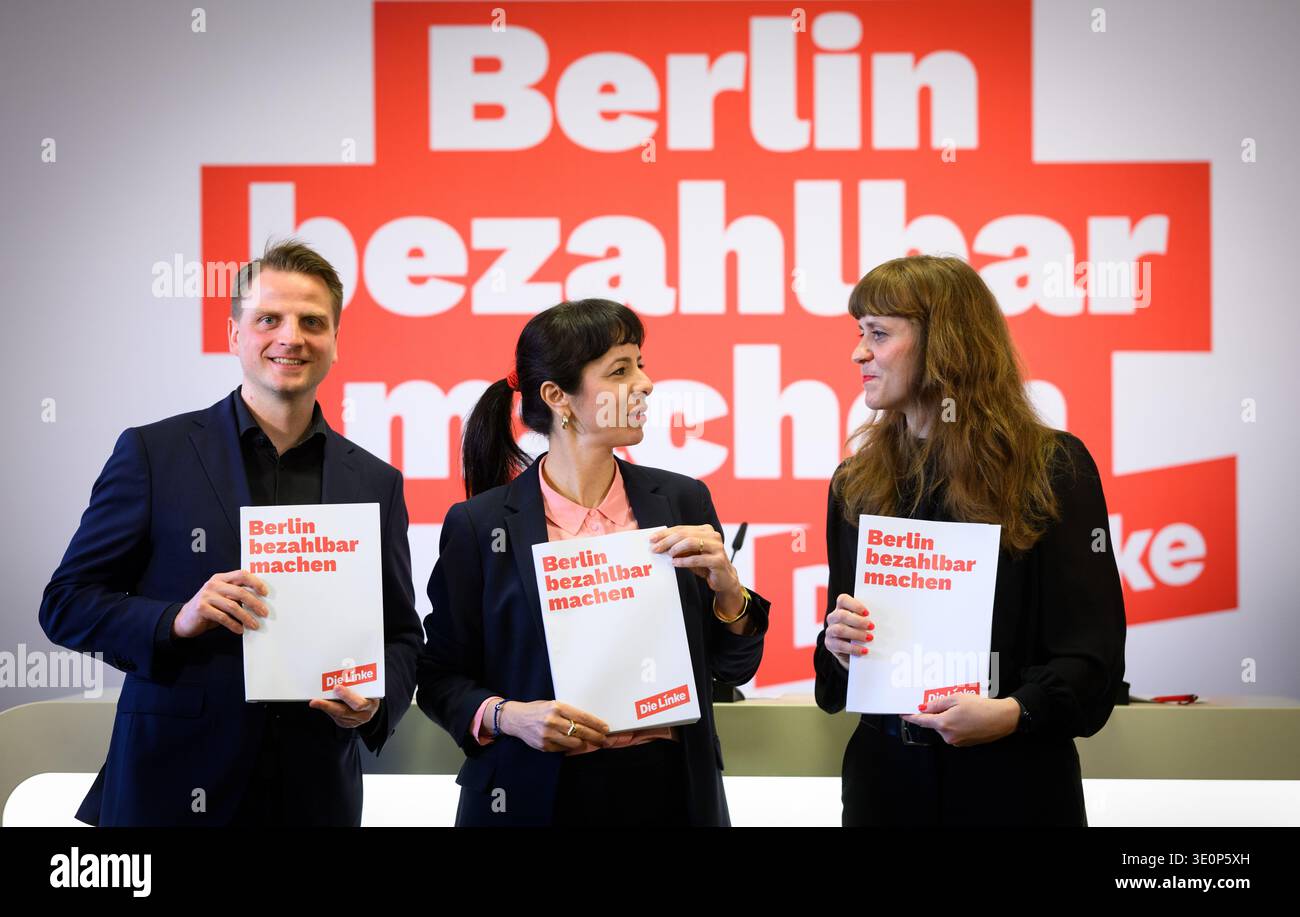
Eralp campaigned on measures aimed at reducing rental pressure and limiting property speculation.
She has also backed plans to bring large private housing portfolios into public ownership.
The proposal follows a 2021 Berlin referendum in which 58 percent of participating voters supported proposals to transfer large private housing holdings into public ownership.
Implementing such a policy remains politically and financially contested.
Opponents have raised concerns about the potential multibillion euro cost, while supporters argue that stronger public control is necessary to address Berlin's housing affordability crisis.
HISTORIC RESULT FOR THE LEFT
The election marks the first time The Left has emerged as the largest party in a Berlin state election.
The result also comes amid wider political changes across Germany.
Both parties outside Germany's traditional political centre have made significant gains in recent state elections, while established parties including the CDU and SPD have faced declining support in several regions.
For The Left, Berlin represents one of its most significant electoral successes in recent years.
ATTENTION TURNS TO COALITION TALKS
Eralp will now attempt to translate the election victory into control of Berlin's government.
Talks with the Greens and SPD are expected to determine whether she can assemble the parliamentary majority required to become governing mayor.
If successful, Eralp would become the first politician from The Left to lead Berlin since German reunification and the first governing mayor of the capital from a migrant background.
Until a coalition agreement is reached and a mayor elected by Berlin's parliament, however, the leadership of the next government remains undecided.