
GULF ENERGY CRISIS HITS BANGLADESH AND PAKISTAN AS LNG PRICES SURGE
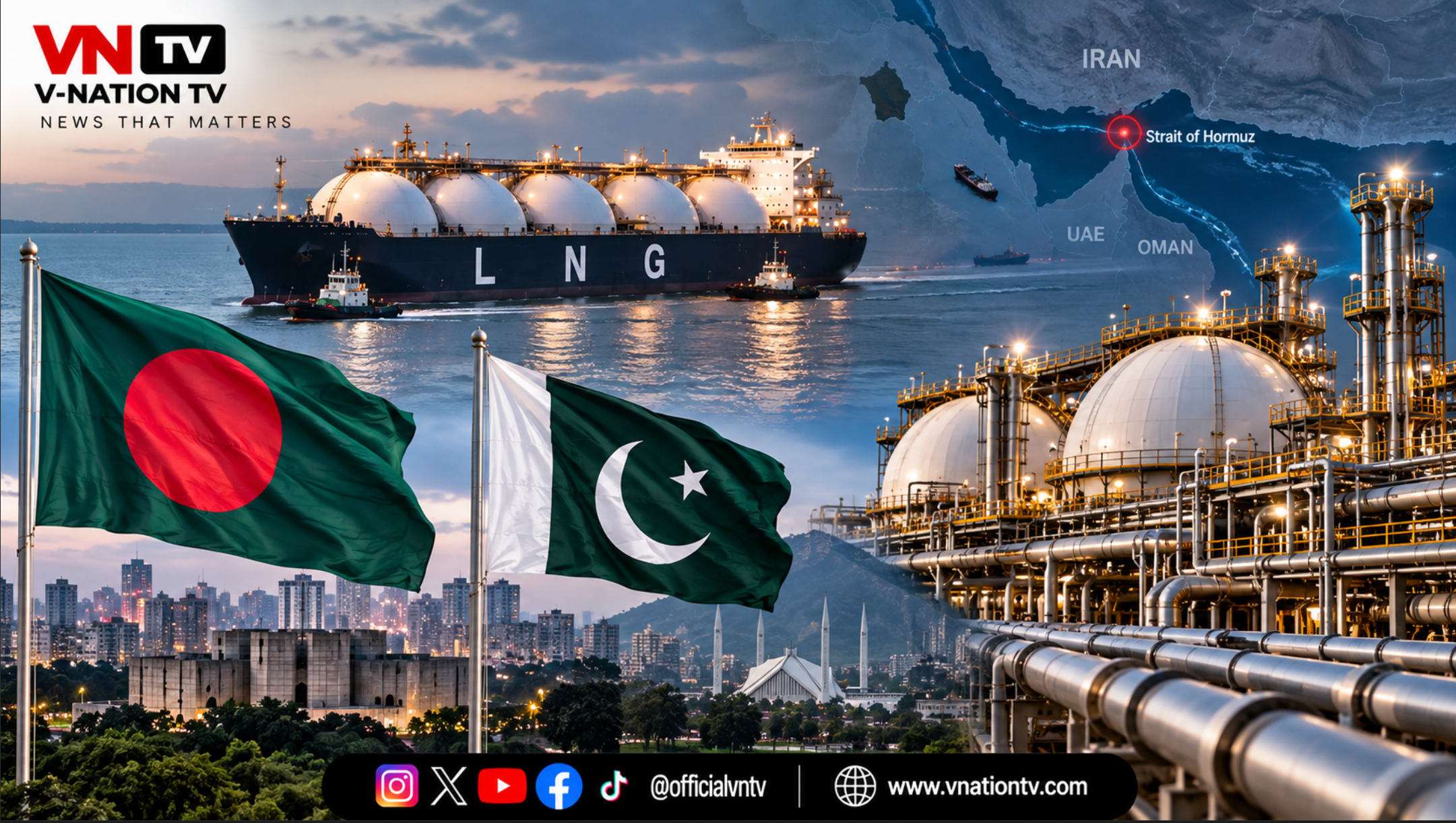
Bangladesh and Pakistan are facing growing energy pressure as disruptions to Gulf oil and gas supplies push Asian LNG prices sharply higher. Bangladesh has experienced blackouts and factory disruption, while Pakistan is dealing with rising fuel costs and concerns over future gas supplies.
Bangladesh and Pakistan are facing mounting economic and energy pressure as disruptions to oil and gas supplies from the Gulf push fuel costs higher and send Asian liquefied natural gas prices soaring.
Disruptions affecting energy exports through the Strait of Hormuz, combined with instability affecting Red Sea trade routes, have tightened global supplies and pushed Asian spot LNG prices back towards $30 per million British thermal units this week. Before the conflict, prices were around $10.
The impact has been particularly severe for energy import dependent economies that have limited financial capacity to absorb higher prices.
BANGLADESH HIT BY BLACKOUTS AND FACTORY DISRUPTION
Bangladesh is experiencing electricity cuts and industrial disruption as reduced LNG supplies force the country to compete for increasingly expensive cargoes on the international spot market.
More than 40 percent of Bangladesh's electricity is generated using imported LNG. Qatar previously supplied about 95 percent of those imports, leaving the country particularly exposed to disruptions in Gulf supplies.
Power Minister Iqbal Hasan Mahmud said industrial growth was slowing as energy shortages reduced production.
The effects are being felt heavily in Bangladesh's garment industry, the country's largest export sector.
A survey by the Bangladesh Knitwear Manufacturers and Exporters Association found that 55 percent of surveyed factories had experienced cancelled or reduced orders because of gas and electricity shortages since late August. About 78 percent had partially halted production.
Some manufacturers have been forced to use diesel generators or pay significantly higher transportation costs to meet international delivery deadlines.
HOUSEHOLDS AND HOSPITALS ALSO AFFECTED
The crisis extends beyond industry.
Households in Dhaka have experienced intermittent piped gas supplies alongside electricity cuts, making cooking and other everyday activities increasingly difficult.
In Tangail, poultry farmers have reported losing birds because electricity outages prevent cooling equipment from operating continuously.
Hospitals have also been affected. In Sylhet, generators are being used to maintain critical services during frequent power cuts, although backup electricity does not always provide sufficient power for other hospital facilities.
Bangladesh is attempting to increase available supply while addressing problems with LNG import infrastructure.
PAKISTAN FACES RISING FUEL COSTS
Pakistan is experiencing a less severe electricity shortage but is facing substantial pressure from rising transport fuel prices and restricted LNG availability.
The government introduced a fuel relief programme offering subsidies to eligible owners of motorcycles, rickshaws and smaller vehicles after petrol and diesel prices rose sharply.
Petrol has risen to roughly 380 Pakistani rupees per litre, while diesel has climbed above 400 rupees per litre, according to Reuters.
Pakistan has also announced austerity measures aimed at reducing government fuel consumption, including lower fuel allocations for official vehicles and restrictions on purchases of new government vehicles.
WINTER GAS SUPPLIES RAISE CONCERNS
Pakistan could face additional pressure as winter approaches.
Its electricity sector may require as much as 400 million cubic feet of gas per day during winter, while only two LNG cargoes had been confirmed for September at the time of the latest reporting.
Solar power has helped reduce some pressure on Pakistan's electricity grid, but gas remains important for households, industry and other parts of the economy.
High LNG prices are also discouraging purchases across Asia. September LNG imports into the region are expected to fall to their lowest level for the month in eight years, with Pakistan among the countries recording significant declines.
GULF DISRUPTIONS RESHAPE GLOBAL ENERGY MARKET
The wider problem stems from the disruption of major Middle Eastern energy supplies.
Industry estimates cited by Reuters indicate that roughly 36 million tonnes of Middle Eastern LNG supply have been lost this year.
The supply shock has increased competition for available LNG cargoes at a time when Europe is also seeking additional gas ahead of winter.
Asian spot prices could rise even further if winter temperatures increase demand while Gulf supplies remain constrained.
For Bangladesh and Pakistan, the crisis demonstrates the economic vulnerability created by dependence on imported energy.
Bangladesh is already experiencing disruptions to manufacturing and electricity supplies, while Pakistan is attempting to contain rising fuel costs and secure sufficient energy supplies for the coming months.