
KWANKWASO SAYS OBI LED NDC GOVERNMENT WOULD RESTORE FUEL SUBSIDY IN DIFFERENT FORM
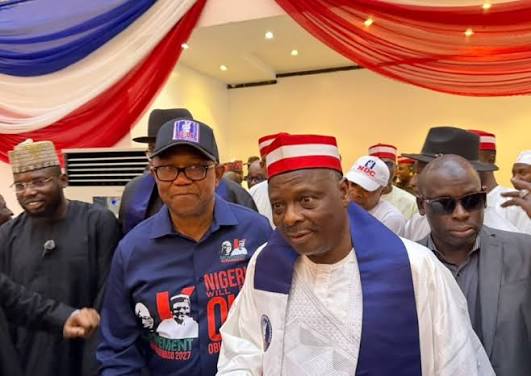
Rabiu Kwankwaso says a Peter Obi led NDC administration would reintroduce fuel subsidy through a different approach, including expanding Nigeria's domestic refining capacity in an effort to lower petrol prices. His comments put fuel affordability firmly on the opposition party's economic agenda ahead of the 2027 presidential election.
ABUJA, Rabiu Kwankwaso, the vice presidential candidate of the Nigeria Democratic Congress, says a government led by Peter Obi would bring back fuel subsidy in a different form as the opposition party seeks to make soaring petrol prices a major issue ahead of Nigeria's 2027 election.
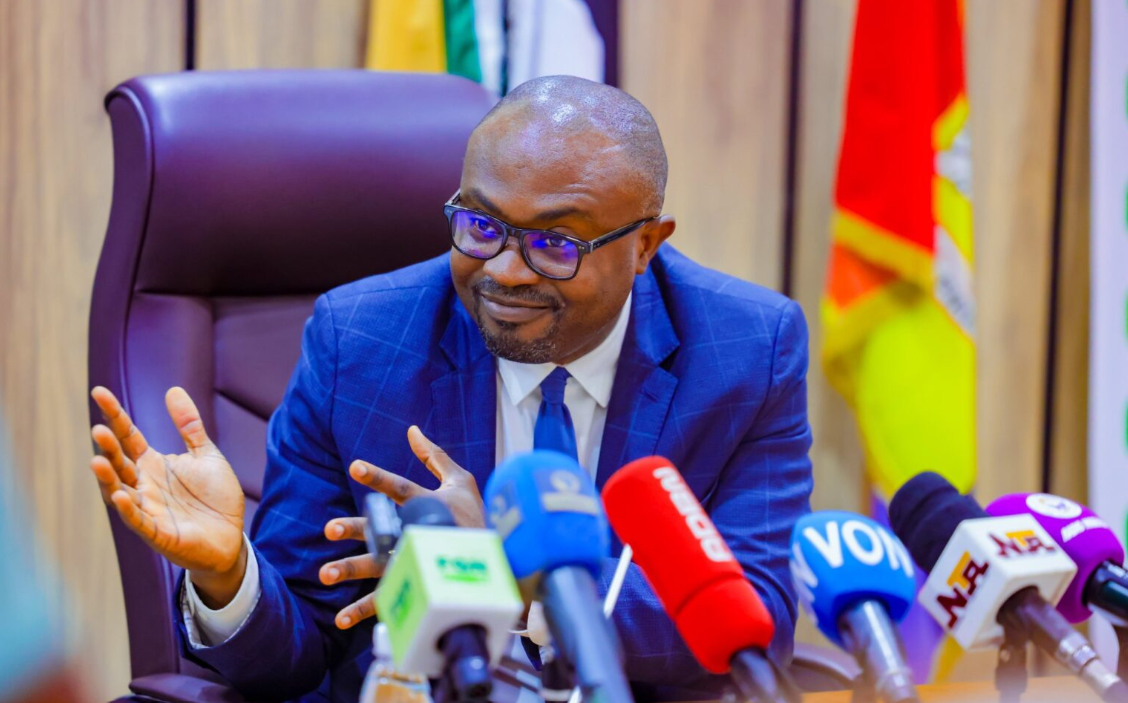
Kwankwaso, a former governor of Kano State, outlined the position during an interview with ARISE News on Tuesday, arguing that an NDC government would pursue measures aimed at making petrol available to Nigerians at what he described as a reasonable price.
"We are bringing subsidy in our own way," Kwankwaso said.
He suggested that expanding Nigeria's refining capacity could form a central part of that approach, including government investment in new refineries where necessary.
Kwankwaso pointed to privately developed refining capacity in Nigeria and argued that there was no reason the government could not also invest in additional facilities if doing so would increase domestic fuel production.
The objective, he said, would be to ensure Nigerians can buy petrol at affordable prices.
"We in the NDC will do whatever it takes really to put the price of oil down," Kwankwaso said.
FUEL PRICES EMERGE AS MAJOR 2027 ISSUE
The comments represent one of the clearest indications yet of how the Obi and Kwankwaso ticket could approach one of Nigeria's most politically sensitive economic policies if elected.
President Bola Tinubu ended the longstanding petrol subsidy shortly after taking office in May 2023, declaring during his inauguration that the subsidy was gone.
The policy was intended to remove a major burden on government finances and end a system that officials argued was expensive, inefficient and vulnerable to abuse.
But its removal was followed by sharp increases in petrol prices, transportation costs and other household expenses.
Kwankwaso said he believed removing the subsidy immediately after Tinubu took office, without first addressing the potential consequences, was a mistake.
He argued that although the major presidential candidates in the 2023 election had supported ending the subsidy, the speed and manner in which it was implemented contributed to the economic difficulties experienced by Nigerians.
The Tinubu administration has defended the reform as necessary to stabilize government finances and redirect resources previously spent subsidizing petrol.
PETROL PRICES CLIMB TO RECORD LEVELS
The renewed political debate comes as Nigerians face another surge in fuel costs.
Petrol prices have risen to around ₦1,400 per litre in Lagos and Abuja and as high as ₦1,500 in some northern parts of the country, according to Reuters.
Diesel has also climbed above ₦2,000 per litre.
The increases have come despite the Dangote refinery operating at full capacity, highlighting Nigeria's continued exposure to movements in international crude oil and energy markets.
The refinery recently increased its wholesale loading price to ₦1,350 per litre as higher crude costs pushed up production expenses.
Those increases have placed renewed pressure on households and businesses already dealing with years of higher living costs.
Transport operators, manufacturers and other businesses that depend heavily on fuel face higher operating expenses, which can eventually feed into prices paid by consumers.
The Nigeria Labour Congress has also called for additional measures to protect workers from rising costs.
WHAT KWANKWASO'S PROPOSAL COULD MEAN
Kwankwaso did not provide detailed figures on how much an NDC government would spend on the proposed subsidy mechanism, how it would be financed or precisely how consumers would receive the benefit.
His comments instead suggest that the party is considering a broader intervention centred on increasing domestic refining and using government policy to bring down pump prices.
That distinction could become important as the election campaign develops.
Nigeria's previous subsidy system involved government spending to keep petrol prices below market levels. Kwankwaso's description of bringing subsidy back in a different form leaves open the possibility of a substantially different mechanism.
The NDC will therefore face questions about the cost, structure and long term sustainability of its proposal as it develops its economic platform.
Fuel prices are already emerging as a significant dividing line in the 2027 campaign.
Tinubu has maintained that Nigeria should not return to the previous subsidy system, while opposition politicians are increasingly presenting alternative proposals aimed at reducing the amount Nigerians pay at filling stations.
For Obi and Kwankwaso, the challenge will be explaining how their proposed intervention would deliver lower prices without recreating the fiscal pressures that contributed to the decision to remove the previous subsidy.
With Nigerians again paying record prices for petrol, the debate over subsidy is likely to remain at the centre of the country's economic and political conversation as the 2027 election approaches.