
MINORITY DEMANDS SUSPENSION OF GHANA COLOMBIA MARITIME AND VISA ARRANGEMENTS
The Minority Caucus on Parliament’s Foreign Affairs Committee has called for the immediate suspension of Ghana’s maritime and port cooperation arrangements with Colombia, alongside the bilateral visa waiver covering diplomatic and service passport holders. The Minority says recent large cocaine seizures linked to Ghana warrant a comprehensive national security review of the arrangements before implementation continues. The demand does not establish that the Ghana Colombia agreements have facilitated drug trafficking. No evidence cited by the Minority has demonstrated that the maritime cooperation or visa arrangement caused or enabled the recent cocaine seizures.
The Minority Caucus on Parliament’s Foreign Affairs Committee has called on the government to immediately suspend Ghana’s maritime and port cooperation arrangements with Colombia and subject the framework to a comprehensive national security review.
The Caucus is also seeking the suspension of the bilateral visa waiver arrangement between the two countries.
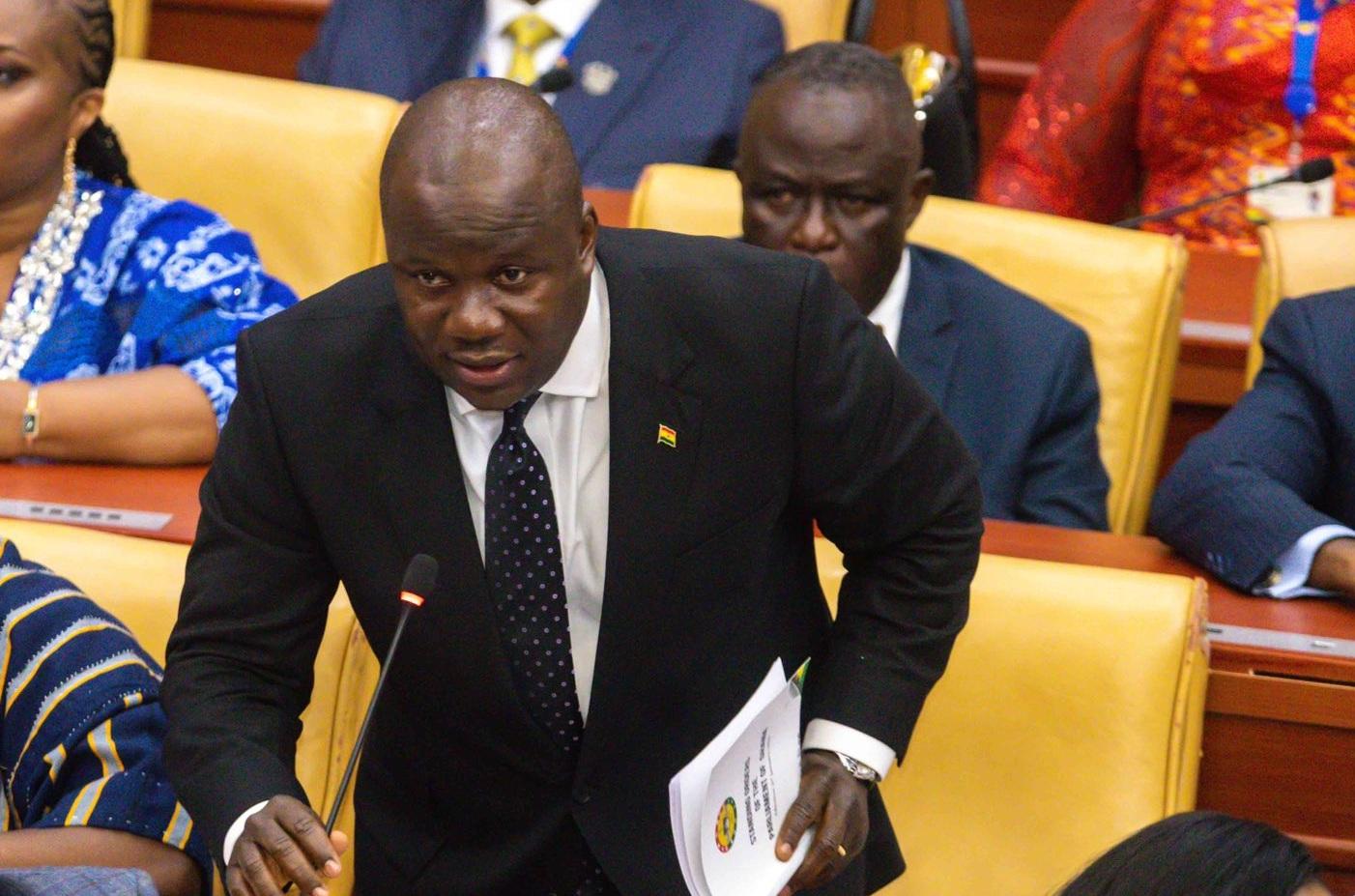
The demand was contained in a statement signed by Samuel Abu Jinapor, Member of Parliament for Damongo and Ranking Member on Parliament’s Foreign Affairs Committee, amid renewed political scrutiny over major cocaine seizures linked to Ghana.
The Minority argues that expanding maritime connectivity between Ghana and Colombia at a time of heightened concern over international narcotics trafficking requires additional security scrutiny.
Its position represents a political and national security argument by the opposition. It does not, by itself, establish a connection between the bilateral agreements and cocaine trafficking.
MINORITY WANTS AGREEMENTS SUSPENDED PENDING SECURITY REVIEW
At the centre of the controversy is maritime cooperation involving Ghana and Colombia.
The two countries signed a memorandum of understanding on port cooperation in Bogotá in March 2026.
Colombia’s government said at the time that the agreement was intended to strengthen maritime connectivity, improve logistics and encourage cooperation in areas including customs management, infrastructure modernisation and the development of smarter and more sustainable ports.
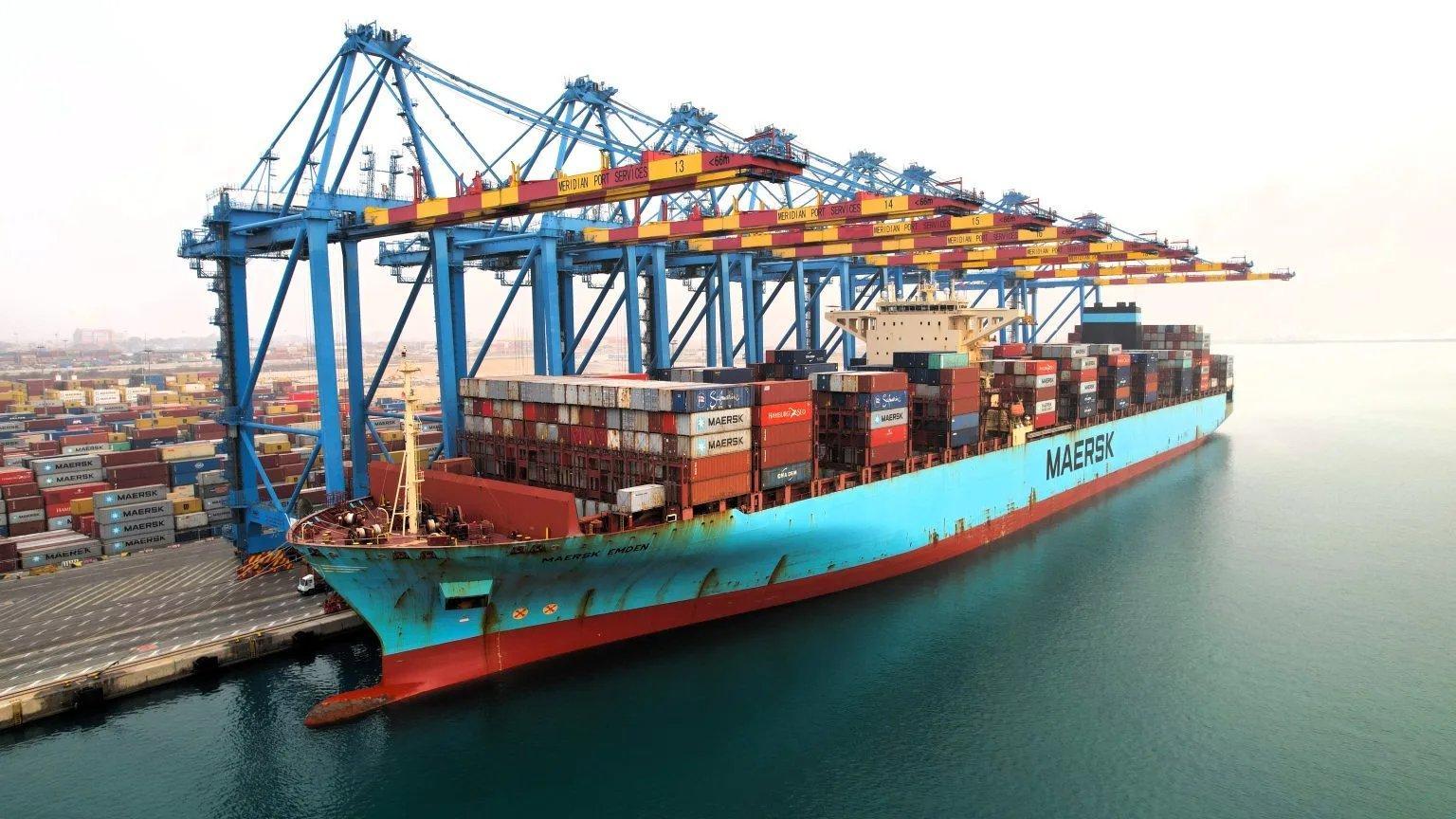
The cooperation also envisaged opportunities for stronger commercial links between Latin America and Africa, with Ghana’s Tema Port identified as an important regional maritime hub.
The Minority now wants the implementation of those arrangements suspended while security agencies assess potential vulnerabilities.
In its statement, the Caucus argued that recent developments justified a national security examination before the framework was allowed to remain operational.
COCAINE SEIZURES FORM BACKDROP TO MINORITY'S DEMAND
The Minority has connected its demand to growing concern about cocaine consignments reportedly linked to Ghana.
Its statement cited the United Nations Office on Drugs and Crime’s 2026 World Drug Report in making its argument about Colombia’s role in the international cocaine trade.
It also referenced recent reporting concerning cocaine seized at Belgium’s Port of Antwerp and Ghana’s reported position among countries identified as origins of seized consignments.
These developments have intensified political debate over Ghana’s ports, border controls and anti narcotics enforcement.
However, the existence of drug trafficking between international markets does not establish that the newly negotiated Ghana Colombia maritime cooperation framework has been used for narcotics trafficking.
That distinction is important because the Minority is requesting a preventive security review rather than presenting evidence that the agreement itself has facilitated cocaine shipments.
VISA WAIVER DOES NOT COVER ORDINARY PASSPORT HOLDERS
The visa component of the controversy also requires clarification.
Ghana’s Ministry of Foreign Affairs currently lists Colombia among countries with which Ghana has visa waiver arrangements.
However, the official information shows that the exemption applies to holders of diplomatic and service passports.
Ordinary Ghanaian passport holders are not listed as enjoying the Colombian visa exemption under the current arrangement.
The Ministry of Finance’s 2026 budget estimates for the Ministry of Foreign Affairs similarly list Colombia among countries for which Ghana concluded visa waivers covering diplomatic and service passports.
This means descriptions suggesting unrestricted visa free travel for ordinary citizens between Ghana and Colombia would be inaccurate under the information currently published by Ghanaian authorities.
WHY TEMA AND CARTAGENA MATTER
Tema is Ghana’s principal container port and one of the country's most important gateways for international trade.
Cartagena, meanwhile, is a major Colombian maritime hub with extensive international container connections.
The March agreement was presented by Colombian authorities as an opportunity to deepen commercial connectivity between Latin America and Africa and promote cooperation between the countries’ maritime sectors.
That commercial objective now sits alongside the security concerns being raised by the Minority.
The policy question for the government is therefore whether existing customs, intelligence and narcotics controls are sufficient to manage any additional risks associated with expanded maritime connectivity.
MINORITY WANTS PARLIAMENT INVOLVED
The Minority is not limiting its demand to an administrative review.
It wants the broader framework, including the visa waiver arrangement, subjected to a comprehensive security review before Parliament.
The Caucus argues that Ghana should assess potential implications for border security, port integrity, state institutions and the country's international reputation before proceeding further with the arrangements.
The demand follows an earlier Minority effort to secure parliamentary scrutiny of major narcotics seizures linked to Ghana.
Parliament was recalled on September 29, but Speaker Alban Bagbin ruled a proposed Minority motion seeking an inquiry inadmissible, citing ongoing investigations and judicial proceedings.

GOVERNMENT RESPONSE WILL BE IMPORTANT
The Minority's demand raises two separate issues that will require government clarification.
The first is whether authorities intend to continue implementing the maritime cooperation framework without modification.
The second is whether security agencies have already conducted risk assessments relating to expanded maritime connectivity between Ghana and Colombia.
As of the reports reviewed by VNTV, the Minority's latest statement represents a demand for government action rather than an announcement that the agreements have been suspended.
A government response will therefore be important in establishing whether the administration accepts the need for an additional security review or believes existing safeguards are adequate.
WHAT HAPPENS NEXT
Attention is now expected to turn to the Ministry of Transport, Ministry of Foreign Affairs, national security authorities and other agencies involved in implementing Ghana’s international maritime and immigration arrangements.
Any formal suspension would require government action. Until that happens, the Minority's position remains a political demand rather than a change in government policy.
The controversy is also likely to keep attention on Ghana's anti narcotics controls and the security systems operating at the country's ports.
VNTV will update this report when the government, relevant ministries or security authorities formally respond to the Minority's demand.