

NIGERIA’S EXTERNAL DEBT HITS $145BN AS CHINA ACCOUNTS FOR $5.67BN, WORLD BANK REPORT REVEALS
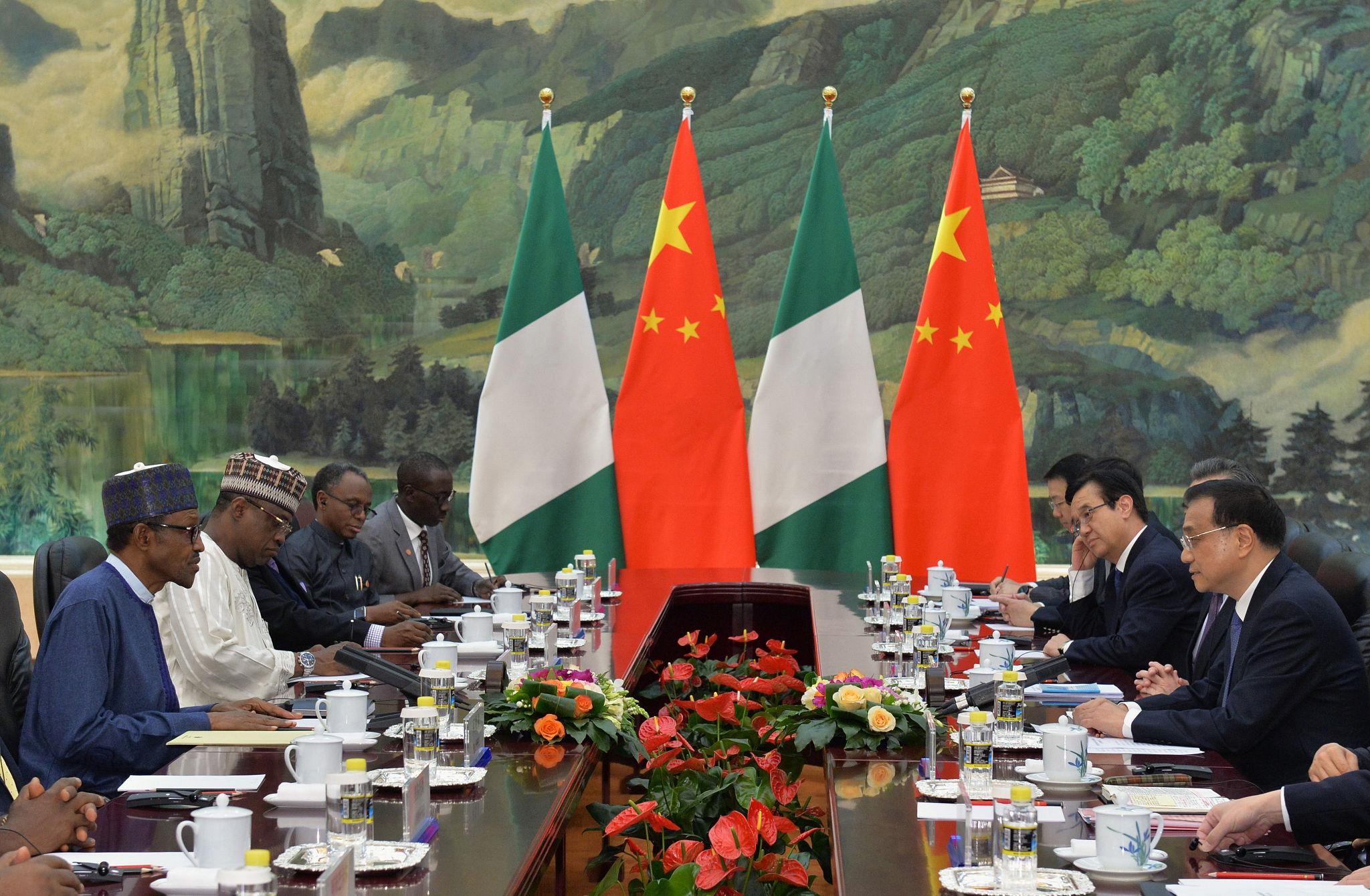
Nigeria’s total external debt rose to $145.02 billion at the end of 2025, according to the World Bank. China accounted for $5.67 billion, or about 85 percent of Nigeria’s bilateral debt. The report also showed that external debt servicing consumed 19 percent of export earnings. The figures emerged as President Tinubu sought National Assembly approval for a new $7.7 billion external borrowing plan to help finance the 2026 budget.
ABUJA, November 7, 2026 Nigeria’s external debt stock climbed to approximately $145.02 billion at the end of 2025, with China accounting for $5.67 billion of the country’s loans from foreign governments, making it Nigeria’s largest bilateral creditor, according to the World Bank’s 2026 International Debt Report.
The report, published on Friday, November 6, shows that China accounts for approximately 85 percent of Nigeria’s $6.68 billion bilateral debt to other governments. France is the country’s second-largest bilateral creditor, with $774 million in outstanding loans, while other bilateral lenders collectively account for approximately $237 million. The figures highlight the concentration of Nigeria’s government-to-government external borrowing among a relatively small number of creditor countries.
Nigeria’s total external debt increased by 6.6 percent, rising from $135.99 billion in 2024 to $145.02 billion in 2025. The increase represents a continuation of the country’s longer-term accumulation of external obligations, with the World Bank’s historical data showing that Nigeria’s external debt stock stood at approximately $83.21 billion in 2015. The latest figure therefore represents an increase of about 74.3 percent over the decade.
The $145.02 billion figure, however, does not represent government borrowing alone. It covers Nigeria’s total external debt across public and private borrowers, including government obligations, private-sector borrowing without government guarantees and short-term external liabilities. This distinction is important because not every dollar recorded as Nigeria’s external debt is necessarily a loan contracted directly by the Federal Government or backed by public revenue.
According to the report, Nigeria’s external debt includes approximately $62.4 billion in public and publicly guaranteed obligations, $54.48 billion in private-sector debt that carries no government guarantee and $28.14 billion in short-term external debt. The public and publicly guaranteed category includes direct government borrowing and certain loans obtained by other entities with government guarantees, while private nonguaranteed debt represents obligations incurred by private-sector borrowers without such guarantees.
Within the public and publicly guaranteed debt category, multilateral creditors account for the largest share, followed by private creditors and bilateral lenders. Multilateral obligations were reported at approximately $31.37 billion, while private creditors accounted for $24.35 billion and bilateral creditors held $6.68 billion. The multilateral figure includes Nigeria’s obligations to international financial institutions and IMF-related allocations, rather than loans from individual foreign governments.
The World Bank’s figures also identify its International Development Association (IDA) as a major source of Nigeria’s multilateral financing, with approximately $18.53 billion attributed to the institution. IMF Special Drawing Rights allocations accounted for another $5.52 billion, while other multilateral institutions represented approximately $7.32 billion. These figures demonstrate that Nigeria’s external public financing comes from several different sources, with international development institutions playing a larger collective role than bilateral government lenders.
China’s position as Nigeria’s biggest bilateral creditor has remained a subject of public attention because of the scale of infrastructure financing associated with Chinese lenders. Over the years, Nigeria has obtained Chinese-backed financing for projects involving rail transportation, roads, power and other infrastructure. Such facilities are generally tied to specific projects and are subject to repayment conditions, interest rates and contractual arrangements that differ from one loan to another.
The $5.67 billion outstanding balance represents the amount Nigeria owed Chinese bilateral creditors at the end of 2025; it should not be interpreted as the total value of every Chinese investment or commercial transaction in Nigeria. Nor does the figure establish that all the money was borrowed during the current administration. External debt is accumulated over time, and repayments, new disbursements, exchange-rate movements and changes in the classification of obligations can affect the amount recorded in successive reporting periods.
The latest debt figures have emerged as President Bola Tinubu seeks approval from the National Assembly to raise an additional $7.707 billion through external financing to help fund the 2026 budget. The request, contained in a letter dated October 26 and read by Senate President Godswill Akpabio during plenary on November 4, seeks authorization to raise approximately ₦10.79 trillion using the budget exchange rate of ₦1,400 to the dollar.
The proposed borrowing forms part of the ₦29.2 trillion in new borrowing approved under the 2026 Appropriation Act to help finance a budget deficit estimated at approximately ₦31.4 trillion. The financing provision comprises ₦18.4 trillion in domestic borrowing and ₦10.79 trillion in external borrowing. Tinubu is seeking legislative approval for the external component, which would allow the government to pursue financing from international markets and other foreign lending sources.
The latest request also represents a revision of an earlier proposal. In October, the president had sought legislative approval to process external borrowing of approximately $20.52 billion and €1.045 billion under a supplementary borrowing plan covering 2026 and 2027. That request was subsequently withdrawn and replaced by the new $7.707 billion proposal, which the presidency said provided a more explicit framework for raising the funds.
In the revised communication, Tinubu said the government intended to explore several financing options simultaneously, including Eurobond issuance, concessional and commercial facilities from multilateral and bilateral institutions, International Monetary Fund facilities and bridge financing arrangements. He indicated that priority would be given to Eurobond issuance because of the speed with which such transactions could be completed and the possibility of raising substantial funds through international capital markets.
The president also argued that the foreign currency proceeds could strengthen Nigeria’s external reserves, as the funds would be received by the Central Bank of Nigeria on behalf of the Federal Government. However, the final interest rates, repayment periods and other conditions attached to market-based borrowing would depend on the terms available when the financing is negotiated and priced.
Following the presentation of the letter, Akpabio referred the request to the Senate Committee on Local and Foreign Debts for examination. The committee is expected to review the proposal and report back to the Senate. The request had therefore entered the legislative scrutiny process, but the presentation of the letter did not amount to final approval or mean that the proposed $7.707 billion had already been borrowed.
The World Bank report also provides indicators of the pressure Nigeria faces in servicing its external obligations. The country's external debt-to-exports ratio stood at 212 percent in 2025, meaning the total external debt stock was more than twice the value of annual exports. Its external debt-to-gross national income ratio was 51 percent, while debt servicing accounted for approximately 19 percent of export earnings and five percent of gross national income.
These ratios are important because they provide a broader picture of the country's ability to manage external liabilities. The debt-to-exports ratio compares the total outstanding external debt with the value of goods and services exported, while the debt-service-to-exports ratio measures the proportion of export earnings required to meet principal and interest payments during the period. A higher debt-service burden can leave governments with fewer foreign currency resources available for other obligations, particularly when export earnings are under pressure.
Nigeria’s reliance on oil exports makes the availability of foreign currency particularly important to its debt-management position. Changes in international oil prices, production levels and export receipts can affect the amount of foreign exchange available to meet external payments. A decline in export earnings can make debt servicing more difficult, even when the nominal amount of outstanding debt remains unchanged.
The cost of new borrowing is another concern highlighted by the report. Nigeria’s average interest rate on new external loan commitments from official creditors was approximately 1.9 percent, compared with 9.6 percent for new commitments from private creditors. The difference illustrates why the source and conditions of external financing matter, since borrowing through development institutions can carry substantially different costs from raising money through commercial lenders or international bond markets.
The World Bank has also warned more broadly about the growing debt burden facing developing economies. In its November 5 statement accompanying the 2026 International Debt Report, the institution said external debt across developing countries rose by 5.5 percent to a record $9.4 trillion in 2025. It noted that private financing had returned to many international markets, but warned that higher borrowing costs were leaving some countries with fewer resources for long-term development.
World Bank Group Chief Statistician and Director of Development Data Haishan Fu said developing countries were borrowing more and paying more, with the cost of debt in some cases reducing the resources available for investment in people and development. The institution's warning reflects a wider concern that governments facing substantial repayment obligations may have to devote an increasing share of public resources to debt service rather than infrastructure, healthcare, education and other essential services.
For Nigeria, the latest figures bring renewed attention to the relationship between borrowing, economic growth and the ability to generate enough foreign exchange to meet repayment obligations. External loans can provide financing for infrastructure and other development projects, but their long-term value depends partly on whether the projects deliver economic benefits capable of supporting repayment. The terms of each loan, the quality of project selection and the transparency of spending are therefore central to assessing the implications of additional borrowing.
The National Assembly’s consideration of Tinubu’s proposed $7.707 billion financing plan will provide another opportunity for lawmakers to examine the government's borrowing requirements, the intended uses of the funds and the conditions under which the loans may be obtained. The World Bank’s report does not suggest that Nigeria is unable to meet its obligations, but its figures show the scale of the country’s external liabilities and the importance of managing new borrowing carefully.
With China holding the largest share of Nigeria’s bilateral debt and multilateral institutions accounting for a substantial portion of public external financing, the country’s creditor structure remains diversified across different lending sources. The more immediate challenge for the Federal Government is to ensure that new loans are obtained on sustainable terms, that borrowed funds are used effectively and that export earnings and government revenues are sufficient to meet future repayment commitments without placing excessive pressure on public finances.