TINUBU TELLS NIGERIANS TO JUDGE HIM BY HIS RECORD NOT CAMPAIGN PROMISES AHEAD OF 2027 ELECTION
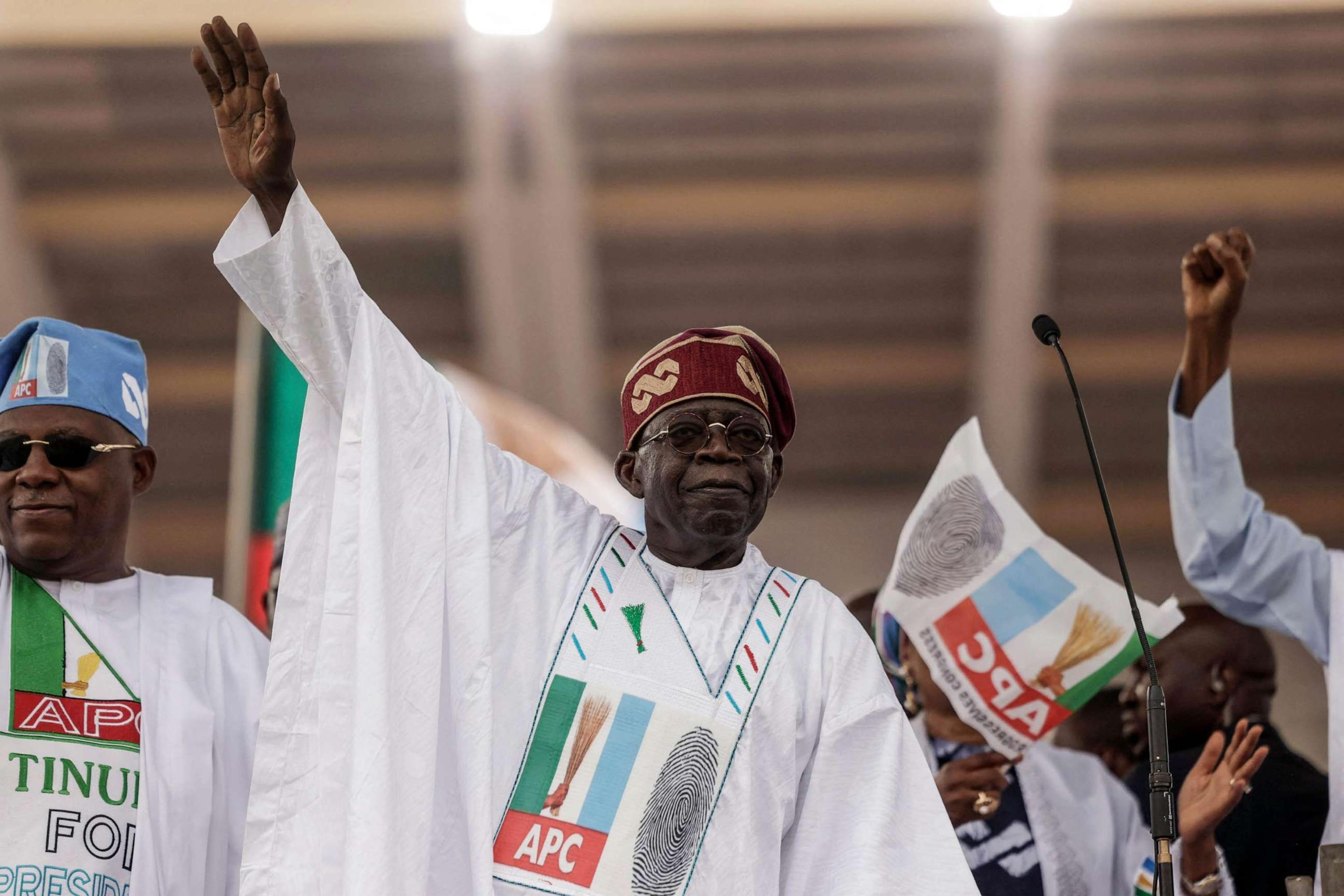
President Bola Tinubu has urged Nigerians to judge his administration by its record rather than campaign promises as he launched a ₦52,500 monthly minimum pension guarantee for 173,209 retirees under the Contributory Pension Scheme. Represented by Senate President Godswill Akpabio, Tinubu also unveiled PenCare, which will provide essential healthcare to low income pensioners. PenCom says the pension guarantee takes effect immediately and is backed by more than ₦400 billion in the Pension Protection Fund.
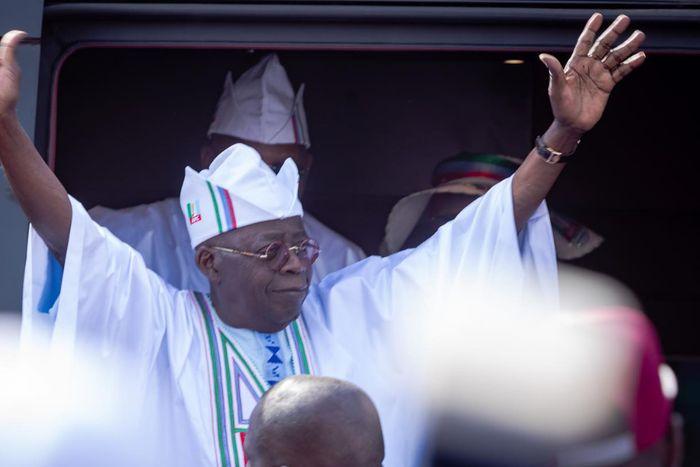
President Bola Tinubu has challenged Nigerians to judge his administration by what it has delivered in office rather than by campaign promises as the country moves closer to the 2027 presidential election, using the launch of a new minimum pension guarantee and healthcare program for retirees to argue that his government has turned long delayed policy commitments into concrete benefits. Speaking through Senate President Godswill Akpabio at the launch of the Presidential Pension Security Initiatives at the State House in Abuja, Tinubu said his administration had ended a 22 year delay in implementing a statutory minimum pension guarantee and had created a new healthcare arrangement aimed at protecting low income retirees from the financial shock of medical bills.
The centerpiece of the announcement is a guaranteed minimum pension of ₦52,500 a month for 173,209 eligible retirees under the Contributory Pension Scheme. The scheme is intended to ensure that pensioners whose Retirement Savings Account balances are too small to generate an adequate monthly income do not fall below the new floor. The National Pension Commission said the payment will begin immediately and will apply to eligible retirees in both the public and private sectors, with no distinction between them once they meet the requirements. PenCom Director General Omolola Oloworaran said 54 percent of the beneficiaries are from the private sector and that more than 65 percent of all private sector retirees currently earn below the new threshold.
Tinubu presented the measure as evidence that voters should evaluate political leaders by completed reforms rather than by what they promise during elections. He directly challenged opposition figures to point to their own records in government and explain what they had done to guarantee minimum pensions, improve healthcare protection for retirees and strengthen the financial security of workers after decades of service. His comments placed pension reform squarely inside the wider political argument over his reelection, with the president seeking to frame the new initiative as part of a broader record of policy decisions that he says have addressed problems previous governments left unresolved.
“Please judge me by my record in this election,” Tinubu said in the address delivered on his behalf. He also referred to his record as governor of Lagos State and challenged politicians who had previously served as governors or held senior federal office to account for what they had done while they had the opportunity to govern. His broader argument was that political promises are easy to make but that voters should concentrate on measurable actions and the institutions that administrations actually leave behind.
The Minimum Pension Guarantee had been contemplated in Nigeria’s pension laws for more than two decades but had never been fully implemented. Tinubu said the provision first appeared under the Pension Reform Act of 2004 and was reinforced in the 2014 legislation, yet successive administrations failed to operationalize it. His administration is now presenting the launch as the completion of a promise that began with the introduction of the Contributory Pension Scheme but remained unfinished for 22 years.
The new arrangement means an eligible retiree whose monthly pension would otherwise fall below ₦52,500 should now be lifted to that level. PenCom says the guarantee has been actuarially validated and is supported by more than ₦400 billion in the Pension Protection Fund. That fund is intended to provide the financial backing needed to sustain the minimum payment, although regulators have also called on private sector employers to contribute more consistently to ensure the scheme remains viable over the long term.
Tinubu also launched PenCare, a pension industry funded healthcare program designed to provide essential medical services free of charge to low income pensioners. The initiative addresses a problem familiar to many retirees, whose pension income can be quickly depleted by hospital bills, medication and treatment for age related illnesses. According to the government, healthcare premiums have already been paid for nearly 30,000 retirees under the program, with more beneficiaries expected as the initiative expands.
The president argued that retirement security should not be measured only by the size of a monthly pension payment because medical costs can erase years of savings very quickly. He said many Nigerian retirees discover that hospital expenses, rather than food or rent, become the most serious threat to their financial stability in old age. PenCare is therefore designed as a second layer of protection, combining a guaranteed income floor with access to basic medical services so that pensioners are not forced to choose between treatment and other household needs.
The government has presented the two initiatives as part of a broader attempt to rebuild trust in a pension system that has historically been associated with delayed payments, arrears and humiliating verification exercises. For many years, Nigerian retirees were required to appear physically at verification centers to prove they were alive before receiving benefits, a process that often involved long queues under difficult conditions. Tinubu described that history as unacceptable and argued that people who had spent 30 or 40 years working for the country should not have to struggle for basic financial dignity after retirement.
His administration has also highlighted other pension interventions carried out before the new scheme. Tinubu said the Federal Government issued a ₦758 billion bond to address long standing pension arrears and other outstanding liabilities, while federal pensioners earning below the national minimum wage received a consequential monthly adjustment of ₦32,000. He also said some legacy pensioners under the former Nigeria Social Insurance Trust Fund arrangement had seen their payments rise substantially, with some previously receiving as little as ₦18,000 a month.
Those figures are being used by the administration to support Tinubu’s wider argument that voters should compare policy records rather than speeches. The president has repeatedly defended the major economic decisions taken since he assumed office in May 2023, particularly the removal of the petrol subsidy and the unification of Nigeria’s foreign exchange rates. Those reforms created significant economic pain, including higher transport costs, currency weakness and severe inflation, but the administration says they were necessary to improve government finances and redirect resources toward infrastructure and social programs.
At the pension launch, Tinubu linked the increase in government revenue after subsidy removal to the greater ability of federal and state authorities to fund infrastructure, education, healthcare and pension obligations. He argued that reversing the subsidy system would reduce the amount of money available to states and undermine some of the social and economic initiatives now being funded. That argument is likely to remain a major issue in the 2027 campaign because opposition politicians have strongly criticized the human cost of the reforms and questioned whether improvements in public revenue have translated into better living conditions for ordinary Nigerians.
The timing of the pension launch has also attracted political scrutiny because it comes only weeks before Nigeria’s January 2027 presidential election. PenCom Director General Oloworaran rejected suggestions that the initiative was designed primarily as an election strategy and said the commission had been implementing pension reforms since 2024 regardless of the electoral calendar. She said the minimum pension launch had originally been planned for September and was later shifted for industry reasons before finally taking place in November.
Oloworaran argued that improvements in pension administration should not be delayed simply because an election is approaching. Her position was that if the reforms make the administration look good politically, that is a consequence of delivering on the commission’s mandate rather than evidence that the programs were created for campaign purposes. She pointed to previous pension adjustments introduced outside the immediate election period as examples of reforms that were already underway before the current campaign intensified.
The debate over timing is likely to continue because Tinubu himself explicitly connected the reform to his reelection argument. By asking Nigerians to judge him by his record in the election, the president placed the pension initiative inside the political contest and invited direct comparison with previous officeholders. He singled out opposition figures who had served as governors or in senior federal positions and asked what protections they had established for pensioners while they were in power.
That challenge reflects a wider strategy in Tinubu’s campaign. Rather than relying only on promises about what a second term might deliver, his team is increasingly pointing to policies implemented since 2023 and asking voters to decide whether those actions justify another mandate. The administration has highlighted infrastructure spending, student loans, expanded access to consumer credit, changes in pension administration and increased revenues available to states as evidence of its record. Opposition parties are likely to counter with the cost of living, unemployment, insecurity and the continuing hardship experienced by many households.
Pension reform gives the president a particularly direct example because the beneficiaries can be identified and the payment floor can be measured. A retiree who previously received less than ₦52,500 and is now lifted to that threshold will see an immediate change in monthly income. That makes the initiative easier to present as a concrete policy result than broader economic reforms whose benefits may take longer to reach households.
The success of the program will nevertheless depend on implementation. PenCom will have to identify all eligible retirees correctly, ensure payments arrive on time and maintain enough funding to keep the guarantee sustainable. Employers will also have to continue remitting pension contributions promptly because unpaid contributions weaken the entire system and can reduce the retirement income available to workers later in life.
Tinubu used the occasion to warn employers that pension contributions belong to workers and should not be withheld. He argued that every naira deducted from a worker’s salary but not remitted to the pension system is effectively being taken from that person’s future. The warning reflects a persistent problem in both public and private employment, where delayed or missing contributions can leave workers with gaps in their retirement accounts.
The administration is also encouraging younger workers to begin pension contributions early, arguing that the strength of the Contributory Pension Scheme depends on people building retirement savings over many years. For younger Nigerians, retirement can seem distant compared with immediate pressures such as rent, food, school fees and transportation, but the government’s message is that long term financial independence depends on consistent contributions during working life.
PenCare adds another layer to that argument because healthcare becomes increasingly important as people age. A retiree may have a pension but still face financial ruin if one serious illness consumes most of the income and savings available to the household. By combining retirement income with healthcare protection, the government is attempting to build a broader social protection system around older Nigerians rather than treating pension payments as the only responsibility of the state.
PenCom has also announced plans connected to a proposed 750 million dollar infrastructure fund involving the pension industry and FSD Africa, with an initial 250 million dollars already being targeted for deployment. The commission says 200 million dollars is expected from the pension industry and another 50 million dollars from development partners, with deployment expected before the end of the first quarter of 2027. The proposal reflects the wider role pension funds increasingly play in long term infrastructure financing, although regulators will have to balance investment opportunities with the responsibility to protect contributors’ retirement savings.
For retirees, however, the most immediate question is simpler. They want to know whether the minimum guarantee will actually reach them each month and whether PenCare will provide medical support when they need it. Government announcements can generate attention, but pensioners who have experienced years of delays and administrative problems are likely to judge the reform by the reliability of payments and services rather than by the launch ceremony.
The same principle applies politically. Tinubu has asked Nigerians to assess his presidency based on performance, and the pension reform now becomes one of the policies voters can examine as they make that judgment. Supporters of the administration will point to the implementation of a guarantee that remained dormant for 22 years. Critics will ask whether the initiative is financially sustainable, whether all eligible retirees benefit and whether broader economic conditions have improved enough to outweigh the hardship created by the government’s reforms.
That argument will continue throughout the campaign because the 2027 election is increasingly becoming a referendum on the economic choices made since Tinubu took office. The president is presenting difficult decisions such as subsidy removal and currency reform as necessary steps that created the fiscal space for programs like the minimum pension guarantee. His opponents are likely to argue that the economic burden on households remains too high and that selected social interventions do not erase the broader cost of the reforms.
The launch of the ₦52,500 pension floor gives the administration a specific record to defend. It also gives retirees a policy they can test directly through their monthly payments and access to healthcare. If the program works as promised, it could strengthen financial security for more than 173,000 retirees immediately and create a permanent floor under future pension payments. If implementation falls short, the same reform could become another measure by which voters judge the administration.
For Tinubu, that is precisely the test he says he wants. His message to Nigerians is that the coming election should not be decided only by campaign speeches or promises of what politicians say they will do. He wants voters to compare records of public service, examine policies already implemented and decide whether those results are enough to justify another term. With the minimum pension guarantee now formally launched and PenCare beginning its rollout, the administration has placed pensioners and social protection at the center of that argument.