

TWICE YEARLY HIV PREVENTION INJECTION RUNS SHORT IN PARTS OF NIGERIA AS DEMAND SURGES
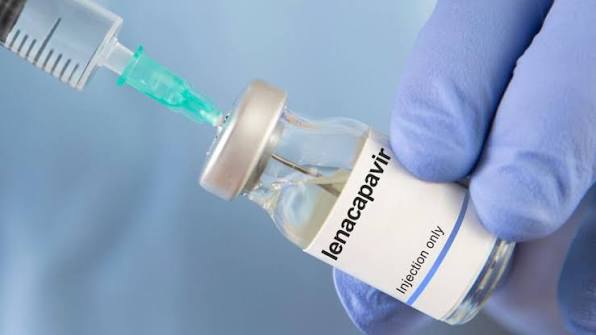
Supplies of lenacapavir, a long-acting HIV prevention injection administered just twice a year, have reportedly run out or become difficult to obtain at some participating facilities in Nigeria as demand outpaces available stocks during the country's early rollout programmed.
Strong demand for a new twice-yearly HIV prevention injection is putting pressure on available supplies in Nigeria, with stocks reportedly exhausted or increasingly difficult to obtain at some facilities participating in the country's early rollout programmed.
The medicine, lenacapavir, represents a major development in HIV prevention because eligible people need only two injections each year instead of taking preventive tablets every day.
Nigeria is among the countries introducing the long-acting medicine as part of efforts to expand access to HIV pre-exposure prophylaxis, commonly known as PrEP.
But enthusiasm surrounding the new prevention option is now colliding with limited supplies.
Reports from some participating states indicate that available doses have been rapidly taken up, leaving some facilities without sufficient stock to meet demand.
The shortages highlight both the potential popularity of long-acting HIV prevention and the challenge of making enough doses available during the initial stages of rollout.
Lenacapavir is administered approximately once every six months and is intended for people who are HIV-negative but may face an increased risk of acquiring the virus.
It is important to distinguish the medicine from an HIV vaccine.
Lenacapavir is not a vaccine and does not permanently immunise a person against HIV.
Instead, it is a long-acting antiretroviral medicine that can significantly reduce the risk of acquiring HIV when administered according to the recommended schedule.
It is also not a cure for people already living with HIV.
The attraction of the twice-yearly injection is largely linked to convenience and privacy.
Existing oral PrEP options can be highly effective, but they generally require people to take medication consistently.
For some users, maintaining a daily medication schedule can be difficult.
Others may face stigma or privacy concerns if family members, partners or colleagues discover their medication.
A long-acting injection administered only twice each year could overcome some of those barriers.
The medicine received significant international attention after clinical trials demonstrated exceptionally high effectiveness in preventing HIV infection.
Results from major PURPOSE trials showed that injectable lenacapavir offered extremely strong protection when administered every six months.
Those findings prompted international health organisations to identify the medicine as a potentially transformative addition to the global HIV prevention toolkit.
The World Health Organization subsequently recommended injectable lenacapavir as an additional PrEP option for HIV prevention.
For Nigeria, the technology could be particularly significant.
The country has one of the world's largest populations of people living with HIV, although substantial progress has been made in expanding treatment and reducing new infections.
Prevention remains central to Nigeria's strategy for controlling the epidemic.
Traditional prevention measures include condoms, HIV testing, treatment for people living with HIV and oral PrEP for people who are HIV-negative but at substantial risk of infection.
Long-acting injectable prevention provides another option.
Early demand in Nigeria suggests that some eligible users may prefer an injection every six months to taking tablets every day.
But the reported shortages also expose the challenge of moving a highly anticipated medical innovation from limited pilot or early-access programmes into broad public availability.
Initial supplies are not unlimited.
Programmes must determine who is eligible, train healthcare workers, establish testing procedures and ensure that people receiving the first injection can return for subsequent doses at the appropriate time.
Reliable supply chains are especially important for long-acting medicines.
A programme cannot simply focus on providing first doses.
Health authorities must also ensure sufficient stock exists for people who will require their next injection approximately six months later.
That makes careful planning essential as Nigeria considers expanding access.
The strong demand could nevertheless provide policymakers and international health partners with an early indication of public interest in long-acting HIV prevention.
It may also strengthen calls for greater procurement and more affordable access across Africa.
Nigeria is not alone in confronting that challenge.
Global health organisations have been working with manufacturers and governments to expand access to lenacapavir, particularly in countries carrying a significant share of the global HIV burden.
Cost, manufacturing capacity and distribution will determine how quickly the medicine can move from limited programmes into widespread routine use.
For people seeking HIV prevention in Nigeria, the arrival of lenacapavir represents a major new option.
The immediate problem is ensuring that supply can keep pace with demand.
If the early uptake continues, Nigeria's experience could become an important test of whether twice-yearly HIV prevention can be delivered at the scale required to make a meaningful difference in one of Africa's largest countries.