

UAE CALLS FLYDUBAI CO PILOT ATTACK AN ATTEMPTED TERRORIST ATTACK.
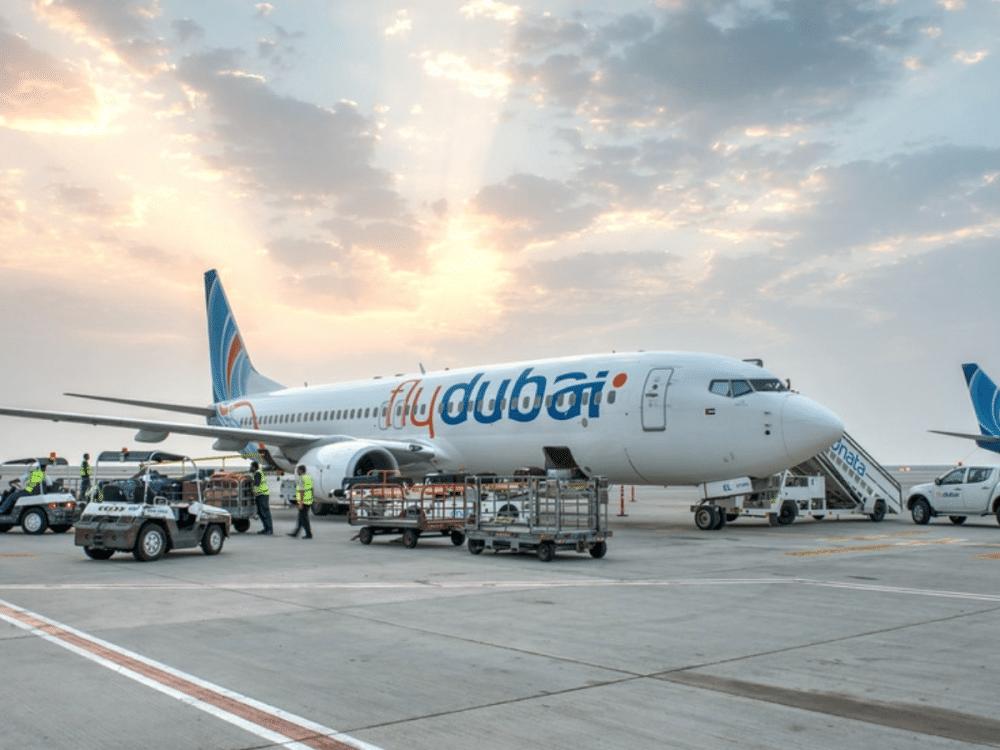
Authorities in the United Arab Emirates have officially described the violent cockpit incident aboard flydubai flight FZ1073 as an attempted terrorist attack. UAE Prosecutor General Hamad Saif Al Shamsi said the co pilot attacked the captain with a cockpit crash axe and attempted to seize control of the aircraft during the Dubai to Tel Aviv flight. Passengers and crew members intervened, and a reserve pilot later landed the aircraft safely at Tabuk in northwestern Saudi Arabia. The suspect is in custody in the UAE. Authorities say the investigation is continuing to determine his motive and whether anyone else was connected to the attack.
Authorities in the United Arab Emirates have officially classified the violent cockpit attack aboard flydubai flight FZ1073 as an attempted terrorist attack, marking a major escalation in the investigation into one of the most extraordinary aviation incidents of the year.
UAE Prosecutor General Hamad Saif Al Shamsi said investigators had established that the flight’s co pilot attacked the captain with a cockpit crash axe before attempting to seize control of the aircraft.
The flight was traveling from Dubai to Tel Aviv when the incident occurred.
More than 170 passengers and crew were on board.
UAE SAYS CO PILOT TRIED TO SEIZE CONTROL
According to the UAE prosecutor general, the co pilot assaulted the captain inside the cockpit and attempted to take control of the aircraft’s flight systems.
Authorities say the confrontation created an immediate danger to everyone on board.
The aircraft reportedly entered a sharp descent during the struggle.
Crew members and passengers were eventually able to intervene and subdue the co pilot.
A reserve pilot who was on board then helped stabilize the aircraft and safely land it in Saudi Arabia.
CRASH AXE USED IN ATTACK
The UAE says the weapon used was a cockpit crash axe.
Crash axes are emergency tools normally carried aboard commercial aircraft for use in situations such as fire, structural damage or emergency access.
The allegation that such a tool was used during an attempted seizure of the cockpit has added a new dimension to the investigation.
It also raises questions about how emergency equipment is secured and accessed during flights.
FLIGHT DIVERTED TO TABUK
The aircraft was diverted to Prince Sultan bin Abdulaziz International Airport in Tabuk, northwestern Saudi Arabia.
Passengers and crew were evacuated following the emergency landing.
The captain was injured during the attack and received medical treatment.
The full extent of his injuries has not been publicly detailed in all official accounts.
UAE NOW FORMALLY USES TERRORISM LANGUAGE
Earlier reporting described the incident as an extraordinary cockpit confrontation and an apparent attempt to crash or seize the aircraft.
The UAE’s latest statement marks the first formal characterization from Emirati authorities describing the incident as an attempted terrorist attack.
That language is significant because it changes the legal and security framework surrounding the case.
Authorities are no longer treating the incident merely as an unexplained act of violence aboard an aircraft.
MOTIVE STILL UNDER INVESTIGATION
Despite the new terrorist designation, investigators say they are still examining the motive behind the attack.
Authorities have not yet announced a complete explanation for why the co pilot allegedly acted.
They are also investigating whether he acted alone or had contact with other individuals or groups.
That distinction remains important.
Calling an incident a terrorist attack does not automatically establish whether it was directed by an organization, inspired by extremist ideology or carried out independently.
SUSPECT IDENTIFIED AS OMANI NATIONAL
The co pilot has been identified in current reporting as Hamam al Hammami, an Omani national.
He was detained after the aircraft landed.
The UAE is leading the investigation.
Israeli authorities are also expected to participate because the aircraft was traveling to Tel Aviv and many of those on board were Israeli nationals.
INVESTIGATORS EXAMINING BACKGROUND
Authorities are now reviewing the suspect’s professional and personal history.
Current reporting indicates that investigators are examining his previous employment and aviation background.
Questions have also emerged over whether concerns had previously been raised about his suitability to fly.
Those issues remain part of the investigation and should not be treated as final conclusions until officially established.
ISRAEL HAS RAISED EXTREMISM CONCERNS
Israeli officials have publicly suggested that the co pilot may have been influenced by extremist ideology.
Prime Minister Benjamin Netanyahu has also commented on the case.
However, Israeli claims about the suspect’s ideological background remain separate from the UAE’s ongoing criminal investigation.
The UAE has said investigators are still examining motive and possible connections.
PASSENGERS AND CREW PLAYED CRITICAL ROLE
One of the most important elements of the incident was the response inside the aircraft.
Passengers and crew members reportedly helped overpower the co pilot after the attack on the captain.
Their intervention prevented him from maintaining control of the cockpit.
The presence of a reserve pilot also proved critical.
Once the suspect was restrained, the reserve pilot was able to assist in stabilizing the aircraft and bringing it safely to the ground.
INCIDENT RAISES MAJOR AVIATION SECURITY QUESTIONS
The attack is likely to trigger scrutiny of airline security procedures.
Commercial aviation security has traditionally focused heavily on preventing passengers from entering cockpits.
This incident presents a different challenge.
The alleged attacker was already authorized to be inside the cockpit.
That raises questions about internal screening, pilot monitoring and procedures for responding when a crew member becomes a threat.
INSIDER THREATS ARE DIFFICULT TO PREVENT
Airlines rely heavily on trust and professional screening when hiring pilots.
Captains and co pilots have direct access to aircraft controls.
That makes potential insider threats particularly difficult to manage.
A passenger attempting to enter a cockpit must overcome physical barriers.
A pilot is already inside.
This is one reason aviation authorities are expected to examine the incident closely.
PILOT SCREENING COULD COME UNDER REVIEW
Investigators may examine the suspect’s recruitment history, training records and psychological evaluations.
They may also look at whether any previous employers or aviation authorities recorded concerns.
Airlines typically conduct background checks before hiring pilots.
However, security procedures can differ between countries and operators.
The investigation may determine whether existing systems failed to identify a genuine risk or whether the suspect gave no prior warning.
FLYDUBAI FACES NEW SCRUTINY
flydubai is one of the UAE’s major international carriers.
The airline operates an extensive network across Europe, Africa, Asia and the Middle East.
An attempted attack involving a member of flight crew could create pressure on the airline to explain its recruitment and security procedures.
The company is cooperating with authorities.
FLIGHT ROUTE ADDS POLITICAL SENSITIVITY
Flight FZ1073 was traveling to Tel Aviv.
That destination has added a political and security dimension to the investigation.
Many passengers were reportedly Israeli nationals.
Authorities are therefore examining whether the destination or passenger profile played any role in the alleged attack.
No final conclusion has yet been announced.
REGIONAL TENSIONS FORM PART OF BACKGROUND
The incident occurred during a period of severe regional tension.
The Middle East has been dealing with conflict involving Israel, Iran, Yemen and other regional actors.
Commercial aviation has also faced route changes and increased security concerns.
Those circumstances do not establish a motive for the flydubai incident.
Investigators must determine whether regional politics influenced the suspect or whether another explanation exists.
UAE HAS ZERO TOLERANCE POLICY ON EXTREMISM
The UAE has long maintained strict laws and security measures aimed at preventing extremist activity.
Officials regularly describe terrorism and ideological violence as major threats to national and regional stability.
The prosecutor general’s use of the term attempted terrorist attack places this case within that national security framework.
INVESTIGATION INVOLVES MULTIPLE COUNTRIES
The case has an international dimension.
The UAE owns jurisdiction over the airline and is leading the investigation.
Saudi Arabia was the country where the aircraft made its emergency landing.
Israel is involved because the flight was bound for Tel Aviv and carried many Israeli passengers.
Other governments may also assist if investigators identify relevant intelligence or travel history.
AIRCRAFT DATA WILL BE IMPORTANT
Flight data recorders and cockpit voice recordings could provide investigators with a detailed reconstruction of the incident.
The cockpit voice recorder may reveal what was said before and during the attack.
The flight data recorder can show aircraft movements, control inputs, altitude changes and other technical information.
These records could be central to determining exactly what happened during the descent.
QUESTIONS REMAIN ABOUT SUDDEN ALTITUDE LOSS
Earlier reports indicated that the aircraft experienced a dramatic descent during the struggle.
Investigators will need to determine whether that descent was deliberately commanded, resulted from the cockpit struggle or was caused by another operational factor.
The answer will be important when assessing how close the aircraft came to disaster.
CAPTAIN’S ACTIONS MAY HAVE PREVENTED WORSE OUTCOME
Reports indicate that the captain continued resisting despite being injured.
He reportedly managed to alert others and make it possible for people outside the cockpit to intervene.
Those actions appear to have played a major role in preventing the co pilot from maintaining control of the aircraft.
Further official findings are expected to provide a clearer account.
RESERVE PILOT BECAME CRITICAL
The presence of another qualified pilot on board was highly significant.
Once the captain was injured and the co pilot restrained, the reserve pilot was able to take responsibility for operating the aircraft.
Without another qualified pilot available, the emergency could have become even more difficult to manage.
PASSENGERS FACED EXTREME DANGER
Passengers reportedly experienced a sudden descent and intense turbulence during the incident.
Most had little information about what was happening inside the cockpit.
The aircraft ultimately landed safely.
The fact that no mass casualty event occurred is largely due to the successful intervention of crew members, passengers and the reserve pilot.
ATTEMPTED TERROR ATTACK COULD CHANGE SECURITY PROCEDURES
A confirmed insider terrorist attack could lead aviation regulators to reassess cockpit security policies.
Possible areas of review could include access to emergency tools, crew vetting, psychological monitoring and cockpit staffing rules.
Any regulatory changes would depend on the final investigative findings.
FLYDUBAI HAS NOT BEEN ACCUSED OF KNOWINGLY IGNORING A THREAT
There is currently no established evidence that flydubai knowingly employed someone it believed posed a terrorist threat.
Questions about vetting are being examined.
That should not be confused with proof that the airline was aware of an immediate danger.
The investigation must determine what information was available before the flight.
LEGAL PROCESS NOW BECOMES IMPORTANT
The co pilot remains in custody in the UAE.
If prosecutors formally bring terrorism related charges, the case could carry severe penalties under Emirati law.
Authorities have not yet announced the complete charge sheet.
The legal process will depend on the findings of the continuing investigation.
WHAT IS CONFIRMED
The UAE now officially describes the incident as an attempted terrorist attack.
Authorities say the co pilot attacked the captain with a cockpit crash axe.
They say he attempted to seize control of the aircraft.
Passengers and crew subdued him.
The aircraft diverted safely to Tabuk.
The suspect is in custody.
WHAT REMAINS UNDER INVESTIGATION
The motive remains under investigation.
Authorities have not publicly established whether the suspect acted alone.
Any possible links to extremist organizations have not yet been formally confirmed.
The full explanation for how the attack was planned and whether warning signs existed is also still being examined.
WHAT HAPPENS NEXT
Investigators are expected to continue analyzing the suspect’s background, communications, employment history and possible contacts.
Flight recorder data and witness statements will also be reviewed.
Israel and other governments may contribute information.
The incident has now moved from an extraordinary aviation emergency into a terrorism investigation.
That distinction will shape how authorities, airlines and aviation regulators respond in the coming weeks.