
US FORCES COMPLETE FINAL WITHDRAWAL FROM IRAQ AFTER MORE THAN TWO DECADES
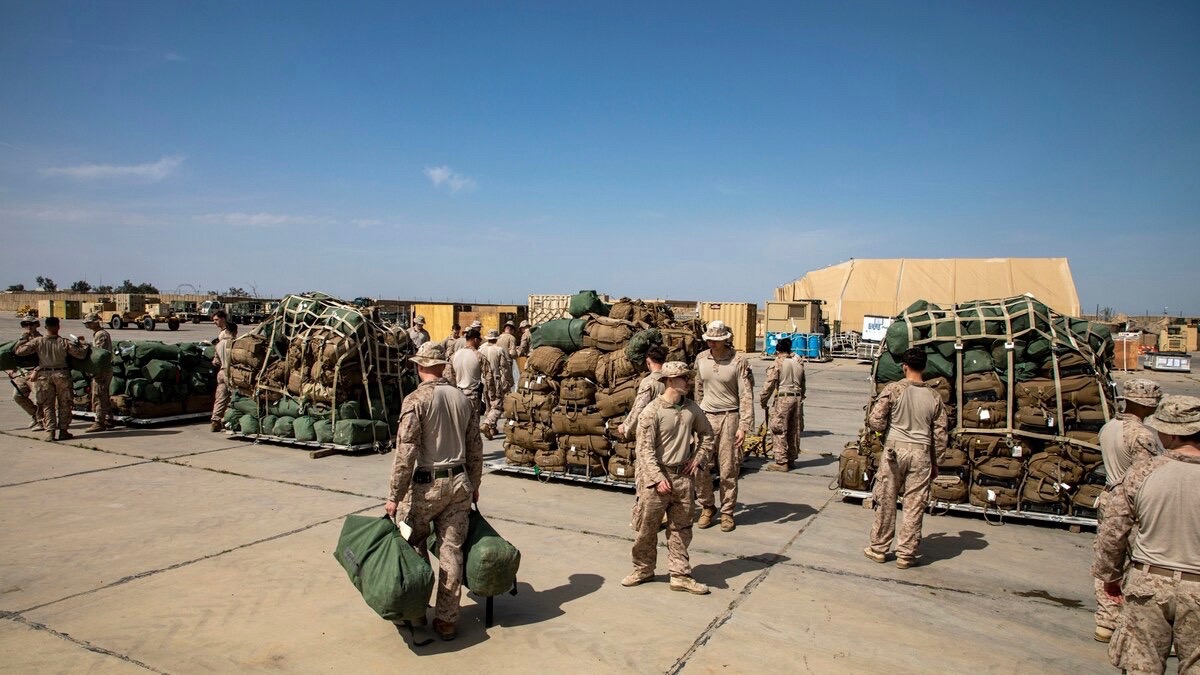
The United States is completing the withdrawal of its remaining military forces from Iraq, bringing an end to a military presence that began with the 2003 invasion. The remaining U.S. and coalition personnel are relocating to Jordan as Washington shifts its counter ISIS operations and enters a new phase in its relationship with Baghdad.
The United States is completing the withdrawal of its remaining military forces from Iraq, bringing to an end more than two decades of American military presence that began with the 2003 invasion that overthrew Saddam Hussein.
The final U.S. forces are departing their remaining bases in Iraq by September 30 under an agreement reached between Washington and Baghdad in 2024.
Around 1,500 U.S. and coalition personnel remained in Iraq during the final stages of the withdrawal, according to a U.S. official.
Those forces had been consolidating and leaving their positions ahead of the deadline.
The remaining personnel are being relocated to Jordan, where the United States will maintain the ability to conduct operations against Islamic State militants considered a threat to American personnel and interests.
The withdrawal therefore ends the remaining U.S. military deployment inside Iraq but does not mean Washington's counter ISIS operations across the region are ending.
A MILITARY PRESENCE THAT BEGAN IN 2003
American forces invaded Iraq in March 2003 as part of a U.S. led coalition that overthrew Saddam Hussein's government.
The invasion began one of the most consequential periods in modern Iraqi history.
U.S. forces subsequently fought a prolonged insurgency as Iraq experienced sectarian violence, political instability and the emergence of several armed groups.
American combat forces formally withdrew from Iraq at the end of 2011.
But that departure did not last.
The United States returned military forces to Iraq in 2014 after ISIS captured large areas of Iraq and neighboring Syria.
At its height, ISIS controlled approximately one third of Iraq and declared a self styled caliphate across territory in Iraq and Syria.
U.S. forces returned as part of an international coalition that provided airpower, intelligence, training and logistical support to Iraqi forces fighting the group.
ISIS lost its territorial control in Iraq in 2017, although its cells continued operating in parts of the country.
WITHDRAWAL AGREED UNDER BIDEN COMPLETED UNDER TRUMP
The framework for the current withdrawal was negotiated in 2024 under former President Joe Biden's administration.
Washington and Baghdad agreed on a phased process to end the U.S. led coalition's military mission in Iraq.
That process has now reached its final stage under President Donald Trump.
U.S. forces previously withdrew from several major positions, including Ain al Asad Air Base in Anbar province.
The remaining military presence was concentrated primarily in the Kurdish region in northern Iraq as the withdrawal deadline approached.
The September 30 departure completes that process.
COUNTER ISIS OPERATIONS WILL CONTINUE
The departure does not mean the United States considers ISIS completely defeated.
Although the organization no longer controls the vast territory it once held, ISIS maintains sleeper cells capable of conducting attacks.
Some Iraqi and Kurdish security officials have raised concerns that the departure of American forces could create opportunities for those cells to regroup.
U.S. operations targeting ISIS threats will now be supported from outside Iraq, including from Jordan.
Washington and Baghdad are also expected to continue security cooperation in areas including intelligence sharing, military equipment and institutional support.
The relationship is therefore moving away from a permanent American military presence toward a more conventional security and diplomatic partnership.
IRAQ TAKES FULL SECURITY RESPONSIBILITY
Iraqi authorities have presented the withdrawal as an important milestone in restoring full national sovereignty.
Baghdad says its security forces are capable of controlling Iraqi territory and responding to the country's internal security threats.
The Iraqi government has also said there will be no foreign military bases operating on its territory following the completion of the coalition withdrawal.
But the departure comes at a complicated moment for Iraq.
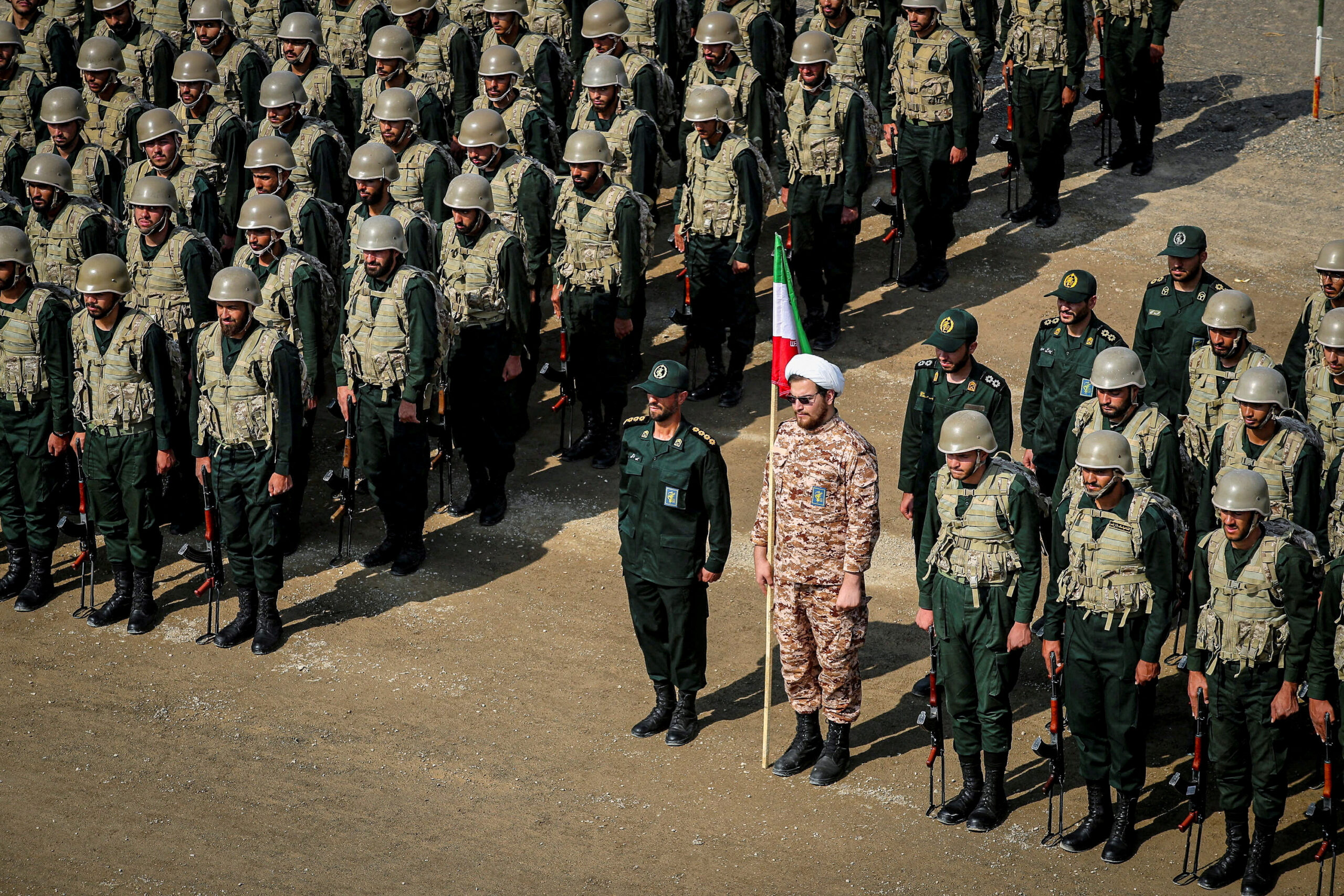
Powerful armed groups aligned with Iran remain influential within the country, while ISIS cells continue operating in some areas.
Iran backed factions have repeatedly attacked American forces in Iraq over the years, prompting retaliatory U.S. strikes.
Some of those groups have described the American withdrawal as a victory.
Iraqi officials, however, have emphasized that weapons and decisions involving war and peace should ultimately remain under the authority of the state.
END OF AN ERA FOR US MILITARY PRESENCE IN IRAQ
The withdrawal closes another chapter in one of America's longest and most controversial military engagements.
Thousands of American service members were killed during operations in Iraq, while the conflict and subsequent years of violence caused enormous Iraqi civilian casualties and displacement.
The American military presence changed significantly over the years, moving from invasion and occupation to counterinsurgency operations and eventually to an advisory and counterterrorism mission.
Now, more than 23 years after American troops entered Iraq in 2003, the remaining forces are leaving.
The United States will continue diplomatic, economic and security relations with Baghdad.
But for the first time since American forces returned to fight ISIS in 2014, the U.S. military will no longer maintain its operational presence from bases inside Iraq.