

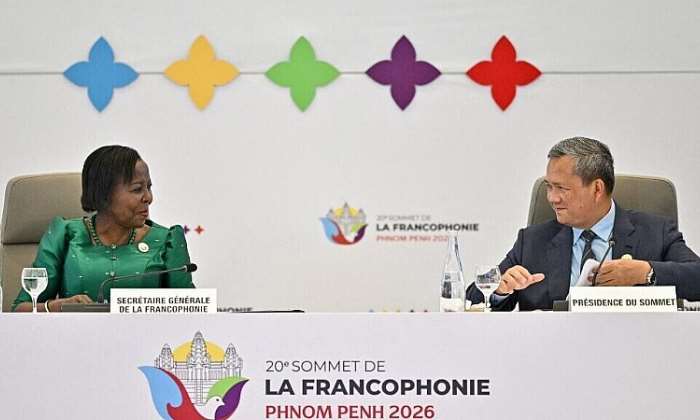
FRANCOPHONIE POSTPONES SECRETARY-GENERAL ELECTION TO 2027 AS DR CONGO–RWANDA FEUD SPILLS INTO THE SUMMIT HALL AND KIGALI ACCUSES FRANCE OF BOWING TO KINSHASA
The International Organisation of La Francophonie (OIF) has postponed the election of its next Secretary-General until 2027. The decision followed a bitter standoff between the Democratic Republic of Congo and Rwanda at the organization's summit. Members could not reach the consensus the Francophonie traditionally relies on to choose its leader. DR Congo threatened to walk out, and delegates chose to delay the vote by a full year rather than risk an open rupture. The fallout has spread quickly. Rwanda has accused France of bowing to pressure from Kinshasa, turning a procedural delay into a sharp diplomatic quarrel between Kigali and Paris. The row matters because the outgoing Secretary-General, Louise Mushikiwabo, is a former Rwandan foreign minister. She has led the organization since 2019, and her tenure has long been a sore point for Congolese leaders who accuse Rwanda of fueling war in eastern Congo. At the root of the crisis is the conflict in eastern DRC, where the M23 rebel group seized the major cities of Goma and Bukavu in early 2025. United Nations experts and Western governments have repeatedly said Rwanda backs the rebels with troops and weapons, a charge Kigali denies. Rwanda insists its security concerns, especially the presence of the FDLR militia linked to the 1994 genocide, are ignored. Peace efforts brokered in Washington and Doha have produced signed agreements, but fighting and mistrust have persisted on the ground. The postponement exposes deep weaknesses in the Francophonie. Africa is home to most of the organization's member states and the majority of the world's French speakers. Yet the body has struggled with coups in the Sahel, the withdrawal of Mali, Burkina Faso and Niger, and growing suspicion of French influence across the continent. A leadership vacuum, or even a prolonged caretaker period, leaves the organization weaker just when it needs a clear voice. The episode also carries wider lessons for African diplomacy. Unresolved conflicts between member states are increasingly paralyzing multilateral institutions, from regional blocs to global forums. Whether the Francophonie can use the next year to broker a credible compromise, or whether 2027 simply delays the same fight, will say a great deal about the future of consensus-based diplomacy on the continent.