

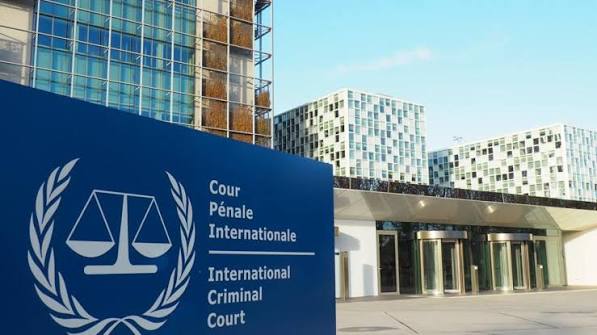
GUATEMALA QUIETLY PITCHES A PLAN TO CLIP THE ICC'S WINGS. WASHINGTON'S WISH LIST IS ON THE TABLE, AND EUROPE IS LETTING SOMEONE ELSE HOLD THE PEN
Guatemala has circulated a proposal to member states of the International Criminal Court (ICC) that closely mirrors demands from the United States and Israel to sharply limit the court's powers, according to an exclusive report by Middle East Eye (MEE). MEE says the three-page paper was presented at a closed-door retreat for ICC ambassadors in The Hague on November 18. That was less than two weeks before the court's Assembly of States Parties (ASP) opens its annual session on November 30. According to MEE, the proposal calls for dialogue with Washington about limiting the ICC's ability to pursue cases against nationals of countries that are not members of the court, such as the US, Israel and Russia. It floats a rule that would require consent from a suspect's home country, even when the alleged crimes took place on the territory of an ICC member state. It also calls for an advisory opinion from the International Court of Justice (ICJ) on immunity. It makes arguments that echo Israel's challenge to how the ICC prosecutor handled the Palestine investigation. And it says Washington's views should count in debates on how the court is governed, because the US hosts assembly sessions in New York. MEE reports that G7 members including the UK, Germany and Italy were ready to discuss the idea with the US but did not want to champion it publicly. Guatemala, a close ally of both Israel and the US, then took the lead. Sources told MEE that the assembly's president and secretariat are expected to draft a resolution on the proposal and send it to member states for negotiation. As far as public reporting shows, Guatemala and the governments named have not publicly confirmed these accounts. If the reported ideas gain ground, they would reopen a question that was settled when the court was founded in 1998. That question matters deeply to African states, which make up the largest regional bloc in the ICC. It matters especially to Nigeria and Ghana, both early members of the court.