

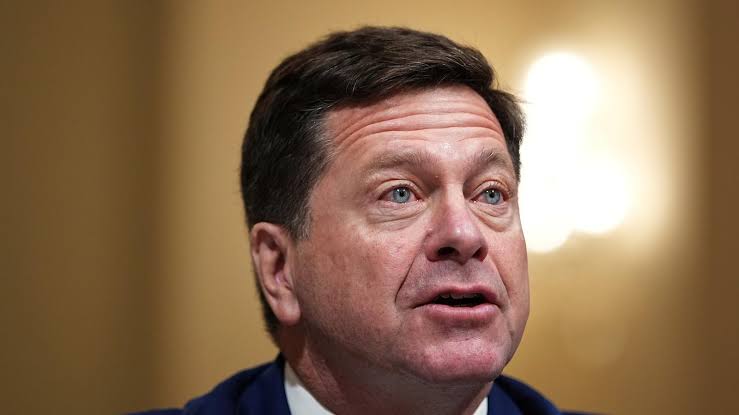
AMERICA'S SPY CHIEF SAYS PUTIN CAN BE TRUMP'S FRIEND BUT NOT AMERICA'S. THE WORLD NOW HAS TO GUESS WHICH FRIENDSHIP SETS U.S. POLICY
US Director of National Intelligence Jay Clayton has defended President Donald Trump's repeated description of Russian President Vladimir Putin as a "friend." He called the language "entirely appropriate" in the setting of last week's rare three-way summit in China between Trump, Putin and Chinese President Xi Jinping. Speaking on ABC's This Week on Sunday, Clayton also drew a sharp line. "He is not America's friend in Ukraine. Not at all. Not at all," he said of Putin. On CNN's State of the Union, he called the summit "historic" and "remarkable" and said that, in that setting, "whatever language the president wants to use, I trust him completely." The defense followed days of criticism. Trump greeted Putin warmly at the summit. On Saturday, he posted a photo of the two men shaking hands on Truth Social with the caption "My Friend." Asked on Friday whether Putin is a friend to the United States, Trump said, "I can't speak to America," and turned to his "very good" personal relationship with the Russian leader. Democrats called the remarks a betrayal of American values. Senate Democratic leader Chuck Schumer called the summit a "historic embarrassment." Clayton's split framing, with Putin as the president's friend but not the nation's, says a lot about Washington's Russia policy. It points to a personal, transactional style of diplomacy that worries Ukraine and NATO allies. It also unsettles countries far from Europe. For Nigeria, Ghana and the rest of Africa, a warmer US-Russia relationship and a new great-power table that includes China could reshape security partnerships, trade, food and fuel prices, and the room African states have to choose their own partners.