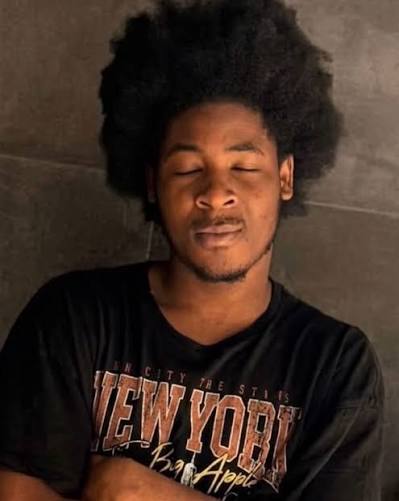
17 YEAR OLD ARRESTED IN CONNECTION WITH KILLING OF BRONX TEEN JAVITS FRIMPONG
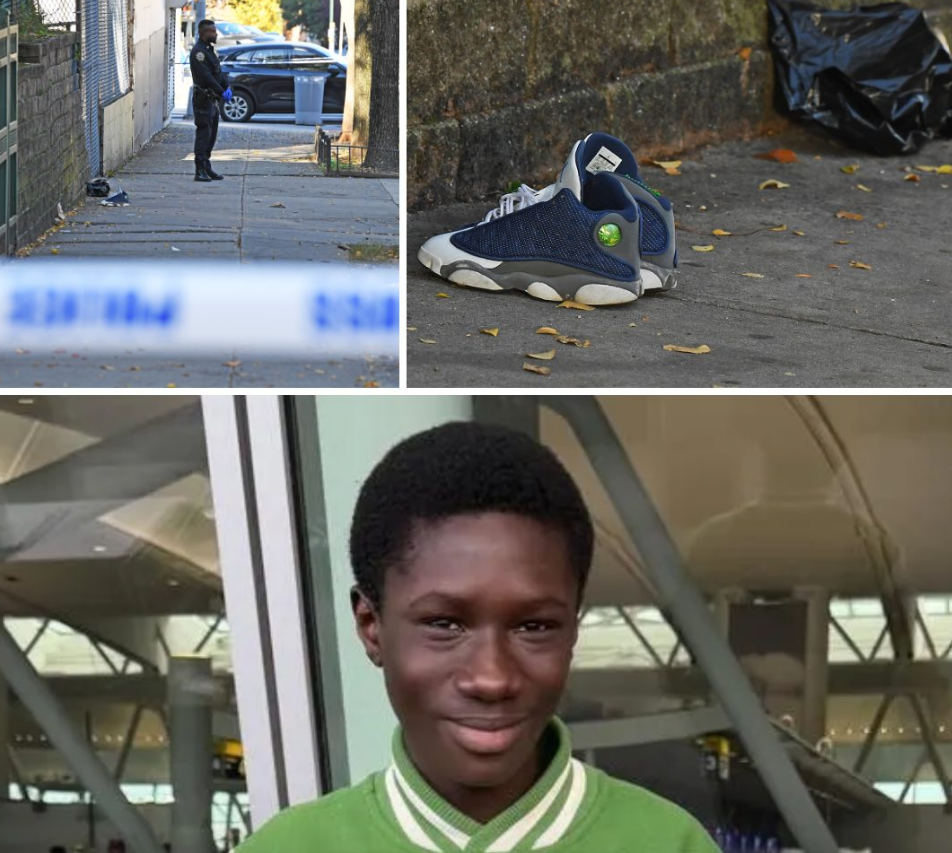
A 17 year old boy has been arrested by the NYPD Violent Crimes Task Force in connection with the killing of 15 year old Ghanaian student Javits Frimpong, who was shot while walking to school in the Bronx on October 29. Charges were still pending at the time of the latest reporting, and police have not publicly identified the suspect. Investigators had previously said they were examining several possible motives, including bullying, robbery and mistaken identity.
A 17 year old boy has been arrested in connection with the killing of 15 year old Javits Frimpong, the Ghanaian teenager who was shot while walking to school in the Bronx last month, marking the first major arrest in a case that has shaken his family, classmates and New York’s Ghanaian community. The teenager was taken into custody by the New York Police Department’s Violent Crimes Task Force on Wednesday as detectives continued investigating the October 29 shooting near East 171st Street and Crotona Place. At the time of the latest reporting, formal charges had not yet been announced, and authorities had not publicly identified the suspect because of his age.
Frimpong was shot once in the abdomen shortly before 9:30 in the morning while walking from his home toward DreamYard Preparatory School in the Claremont section of the Bronx. Police officers responding to a 911 call found him critically wounded and transported him to St. Barnabas Hospital, where he was later pronounced dead. The shooting happened only a short distance from the apartment he shared with his father, Thomas Frimpong, and surveillance footage reviewed by investigators showed the teenager running as several other young people appeared in the area around the time of the attack.
Police had previously said they were searching for three teenage boys between the ages of 16 and 18 who were seen fleeing after the shooting. Investigators said the group ran toward Crotona Park and later used the subway, while detectives worked to trace their movements and determine what led to the confrontation. The arrest of the 17 year old is therefore a significant development, but the investigation remains active and police have not announced whether additional arrests are expected.
Authorities have also not publicly settled on a motive. Javits’ father has said his son had been bullied at school and that two students were suspended shortly before the shooting following an earlier confrontation. That account became one of the main lines of inquiry after the killing, but NYPD officials have said they were also considering other possibilities, including robbery and the possibility that Javits may have been mistaken for someone else. Detectives sought information from the city school system as they tried to reconstruct the events leading up to the attack and determine whether the earlier bullying allegations were connected to his death.
Thomas Frimpong has consistently said he believed the violence his son experienced at school could be important to understanding what happened. He told reporters that Javits had previously complained about being harassed and that the family had become increasingly concerned about his safety. Police, however, have been careful not to publicly confirm that bullying was the motive, stressing that investigators were examining several possibilities and needed additional evidence before drawing conclusions.
The teenager’s death quickly became more than a local crime story because of the circumstances surrounding his life and the way he was killed. Javits had moved to the United States from Ghana only about a year earlier to live with his father and pursue his education in New York. His mother remained in Ghana, meaning she initially faced the possibility of grieving her only child from thousands of miles away while the investigation unfolded in the Bronx.
That changed after New York Mayor Zohran Mamdani appealed to President Donald Trump to help secure an emergency visa for Javits’ mother. Trump agreed to the request, allowing her to travel from Ghana to New York for her son’s funeral and to join relatives and members of the Ghanaian community calling for justice. Her arrival added another deeply emotional element to a case that had already drawn widespread public attention because of Javits’ age and the fact that he was shot during an ordinary morning walk to school.
Vigils were held near the scene of the shooting and at his school, where classmates, teachers, clergy and community members remembered him as respectful, intelligent and quiet. Students carried signs demanding justice and calling for an end to gun violence, while members of New York’s Ghanaian community gathered to support the family. Speakers at one vigil described the teenager as a child with a future that had been taken away before he had the chance to fully build a life in his new country.
The killing also renewed wider concerns about youth gun violence in New York. Javits was only 15 and the individuals police initially sought were also teenagers, making the case especially troubling for residents and community leaders who have repeatedly called for stronger efforts to prevent young people from gaining access to firearms. The fact that the shooting happened in the morning while the victim was heading to school heightened those concerns because it occurred in a setting where families expect children to be able to move safely through their neighborhood.
The NYPD’s investigation has relied heavily on surveillance footage, witness accounts and information connected to the teenagers who were seen near Javits before and after the shooting. Police had released descriptions of several young people and appealed for help from the public while detectives traced the route they allegedly took after leaving the area. The arrest by the Violent Crimes Task Force suggests investigators were able to identify at least one person they believe is connected to the killing, although authorities had not publicly detailed the evidence that led to the arrest at the time of the latest reports.
Because the suspect is 17, New York’s youth justice laws will also become an important part of what happens next. The way the case is handled will depend on the charges prosecutors ultimately approve, the evidence against the teenager and decisions about whether the matter proceeds through the adult criminal court system or another process available under state law. Those questions cannot be answered until prosecutors formally announce the charges.
The distinction is particularly important in a breaking criminal case. Being arrested in connection with a killing does not by itself establish guilt, and the 17 year old remains legally presumed innocent unless prosecutors bring charges and prove them beyond a reasonable doubt. Police have not released the suspect’s name and there has been no public statement from a defense lawyer or family representative responding to the arrest.
For Javits’ family, however, the development represents the first visible movement toward accountability after nearly two weeks of uncertainty. His father and mother have repeatedly asked authorities to identify those responsible and explain why their son was targeted. The family’s calls for answers have been echoed by community members who attended vigils and demanded that anyone with information cooperate with investigators.
The case has also placed attention on how schools respond when bullying complaints involve escalating threats or violence. Javits’ father has said his son experienced problems with other students shortly before the shooting, while police confirmed they were seeking information from education officials as part of their investigation. If detectives ultimately establish a connection between those incidents and the killing, the case could raise serious questions about whether warning signs were recognized early enough and whether more could have been done to protect the teenager.
At the same time, investigators have continued to avoid ruling out alternative explanations. Police have said the possibility of robbery or mistaken identity remained under consideration, which means the motive may prove more complicated than early public assumptions suggested. Until charges are filed and prosecutors present their case, the exact circumstances behind the shooting remain unresolved.
The arrest also comes after days of intense pressure from residents who feared the case could go unsolved. Vigils, media coverage and public appeals kept the investigation in the spotlight, while the NYPD continued searching for the young people seen in surveillance footage. The arrest of one 17 year old does not necessarily mean detectives believe he acted alone, especially because officers had previously said they were looking for several teenagers connected to events around the shooting.
Attention will now turn to the charges prosecutors decide to file and whether police announce additional arrests. If the 17 year old is formally charged with murder or another homicide offense, the case will move into a more detailed legal phase in which prosecutors will have to explain the evidence linking him to Javits’ death. Defense attorneys would then have the opportunity to challenge that evidence and present their own account.
For the Frimpong family, the legal process will unfold alongside their grief. Javits had come to New York with expectations of education and opportunity and was killed less than a year after beginning his new life in the city. His death has resonated particularly strongly among Ghanaian immigrants who saw his story as one of a young person trying to build a future before becoming the victim of sudden violence.
The case has also drawn attention in Ghana, where relatives and members of the wider public have followed developments closely because of Javits’ background and the circumstances of his mother’s journey to New York. His killing became a painful reminder of the risks immigrant families can face even after making difficult decisions to send children abroad in search of better opportunities.
Wednesday’s arrest does not yet provide all of the answers the family has been seeking. Police have not publicly disclosed a motive, prosecutors have not announced charges and it remains unclear whether the other teenagers previously sought by investigators will also be taken into custody. What the arrest does provide is the first significant breakthrough in a case that has remained unresolved since October 29.
The next stage will determine whether investigators can build a case strong enough to establish who fired the fatal shot, whether others were involved and why Javits was targeted. Until those questions are answered in court, the 17 year old remains a suspect rather than a convicted offender, while the NYPD continues an investigation that has become closely watched in the Bronx, across New York’s Ghanaian community and in Ghana itself.