ATIKU VOWS TO REMAIN IN 2027 PRESIDENTIAL RACE AFTER COURT NULLIFIES ADC CANDIDACY
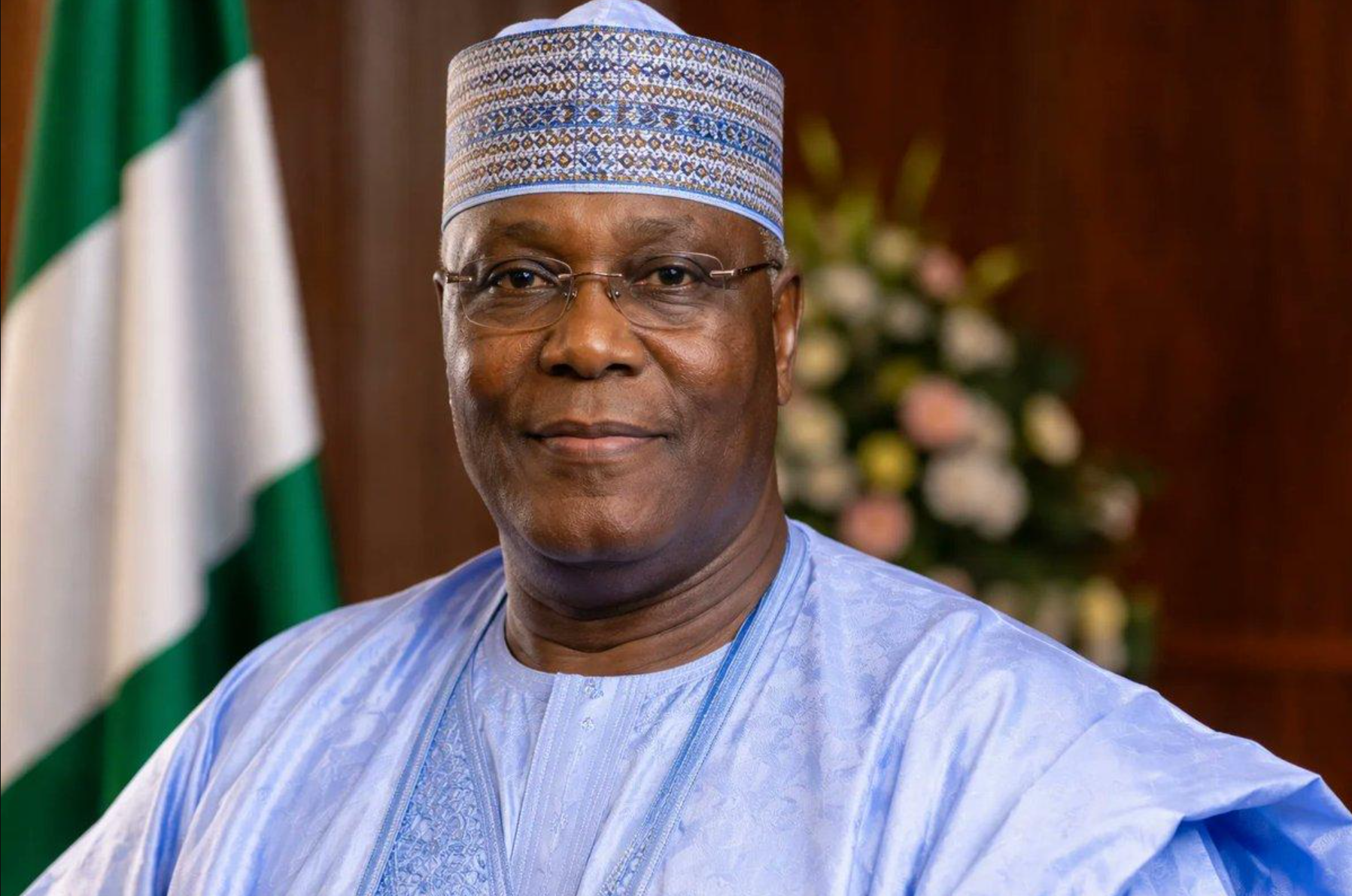
Atiku Abubakar has vowed to remain in the 2027 presidential race despite a Federal High Court judgment nullifying the David Mark-led ADC leadership and the process that produced him as the party’s candidate. The ADC has appealed the ruling and sought a stay of execution, while the APC denies involvement in the dispute.
SOKOTO, November 7, 2026 Former Vice-President Atiku Abubakar has vowed to remain in Nigeria’s 2027 presidential race despite a Federal High Court judgment that invalidated the African Democratic Congress (ADC) leadership structure under which he emerged as the party’s candidate, declaring that neither judicial decisions nor political pressure would force him to abandon his ambition. Atiku made the declaration in a statement issued in Sokoto on Friday, November 6, titled, “Bola Cannot Use the Courts to Escape the People’s Verdict; We Are on the Ballot,” in which he insisted that Nigerians must retain the right to choose their leaders through a free, fair and credible electoral process.
The statement followed a judgment delivered on Thursday, November 5, by Justice Peter Lifu of the Federal High Court in Abuja, which nullified the emergence of the national executive committee led by former Senate President David Mark and set aside decisions taken by that leadership, including the process that produced Atiku as the ADC’s presidential candidate. The ruling arose from a legal challenge filed by Nafiu Bala Gombe, a former deputy national chairman of the party, who questioned the process through which the Mark-led leadership assumed control of the ADC after the resignation of its former national chairman, Ralph Nwosu.
Atiku rejected the implications of the judgment, telling supporters that his campaign would continue and that he would not withdraw from the contest. “Let me be clear to every Nigerian who has stood with us: I am in this race. I am not going anywhere. We will be on the ballot. No threat, blackmail or court manoeuvre will make me abandon you or the cause we share,” he declared. He argued that the decision of a court should not be mistaken for the will of the Nigerian electorate, maintaining that the country’s political future must ultimately be determined by voters rather than by attempts to restrict competition through institutional or legal processes.
The former vice-president accused President Bola Tinubu’s administration and the ruling All Progressives Congress (APC) of using political pressure and alleged judicial manoeuvres to weaken opposition parties ahead of the 2027 general election. He questioned why a governing party whose supporters claim to have the backing of 32 state governors would be concerned about facing opposition candidates in a competitive election. Atiku also alleged that political actors were attempting to compromise the voters’ register through the use of artificial intelligence-generated photographs, false names and fictitious identities, although he did not provide evidence in his statement to substantiate the allegations.
He further accused the administration of attempting to push Nigeria towards a one-party political system by weakening rival parties and making it more difficult for opposition candidates to participate in elections. Atiku said the country’s democracy depended on the existence of multiple political parties and the ability of citizens to choose among competing candidates. He urged Nigerians not to surrender their democratic rights or lose confidence in the electoral process, insisting that the ballot box should remain the final instrument for deciding who governs the country.
The former vice-president also used the statement to criticise the Tinubu administration’s economic record, citing petrol subsidy removal, the depreciation of the naira, rising food and fuel prices, factory closures, pressure on small businesses and worsening insecurity. He argued that the cost of living had become a major concern for households and that his campaign would continue to focus on making life more affordable. His remarks indicate that economic hardship will remain a central theme of his political messaging as he seeks to challenge Tinubu and other contenders in the next presidential election.
The ADC has separately rejected the court judgment and announced that it would challenge the decision through the appellate courts. The party described the ruling as politically motivated and argued that it raised wider questions about the rights of political organisations and their members to participate in the democratic process. Its National Publicity Secretary, Bolaji Abdullahi, said the party believed the judgment could affect not only Atiku and the David Mark-led leadership but also thousands of ADC candidates who emerged through processes conducted by the disputed executive committee.
The party’s legal response moved forward on Friday, when lawyers representing the Mark-led ADC filed a notice of appeal at the Court of Appeal and applied for a stay of execution of the Federal High Court judgment. The party also notified the Independent National Electoral Commission (INEC) of the appeal and asked the commission to refrain from taking steps that could pre-empt the outcome of the proceedings. According to the legal correspondence reported by Nigerian media, the application for a stay had not yet been determined, meaning the filing of the appeal did not, by itself, establish that the judgment had been suspended.
The dispute centres on the legitimacy of the process through which the Mark-led executive assumed control of the ADC. Bala Gombe had approached the Federal High Court to challenge the leadership transition, arguing that he was entitled to assume the position of national chairman following Nwosu’s resignation and that the process used to install the new leadership did not comply with the party’s constitution and guidelines. The defendants opposed the suit, arguing that the dispute concerned the internal affairs of a political party and should not be determined by the court. Justice Lifu nevertheless granted the reliefs sought by the plaintiff and declared the actions and decisions of the Mark-led executive invalid.
The consequences of the ruling extend beyond the presidential ticket because the disputed leadership supervised the party congresses and convention through which candidates for several elective offices were selected. The judgment therefore affects the legitimacy of the party structures and nomination processes under which those candidates emerged. For the ADC, the appeal is not simply an effort to preserve Atiku’s candidacy but also an attempt to protect the political positions of members who secured nominations through the Mark-led executive.
The APC has denied allegations that it influenced the legal proceedings or played any role in the ADC’s internal dispute. Its National Publicity Secretary, Felix Morka, described the judgment as the consequence of the opposition party’s own internal actions and urged its leaders to address their disagreements rather than accuse the ruling party of political interference. Morka said the APC was not a party to the case and had no involvement in the judicial process, maintaining that the ADC should exercise its right of appeal if it disagreed with the court’s decision.
The ruling party also accused the Mark-led faction of selectively accepting judicial decisions, arguing that the ADC had praised the courts when earlier rulings supported its position but was now questioning the judiciary following an unfavourable judgment. The APC maintained that the dispute arose from disagreements among ADC members over the party’s leadership and should not be presented as evidence of a wider attempt to eliminate opposition politics. Its response has placed the political accusations made by Atiku and the ADC in direct contrast with the ruling party’s position that the matter is an internal dispute resolved through the judicial process.
Minister of Aviation and Aerospace Development Festus Keyamo also weighed in on the controversy, questioning Atiku’s continued description of himself as the ADC presidential candidate after the court ruling. Keyamo argued that political actors should respect judicial decisions even when those decisions are unfavourable to them, citing previous cases in which courts overturned election outcomes involving candidates of the APC. In a post on X, he said the country would not collapse if Atiku did not appear on the 2027 ballot, adding that the former vice-president should not attack or undermine the judiciary because of a decision against his political interests.
Keyamo also drew attention to the way Atiku signed his Friday statement, noting that he identified himself as a former vice-president rather than as the ADC presidential candidate. The minister interpreted this as an acknowledgement of the court’s order, although Atiku’s statement itself expressly maintained that he remained in the race and would continue campaigning. The exchange has added another dimension to the dispute, with the ruling party and its officials treating the judgment as a binding decision while Atiku and the ADC insist that the legal process is not over.
The Independent National Electoral Commission is also likely to face questions about how it will respond to the judgment and the pending appeal. Premium Times reported that INEC had listed Atiku and his running mate, Rotimi Amaechi, among the presidential candidates before the November 5 ruling, but the commission had not publicly clarified how it intended to implement the court’s decision. The ADC has urged the electoral body to exercise restraint while the appeal and application for a stay are being considered, warning against any action that could pre-empt the appellate court’s determination.
The legal dispute comes at a critical stage in preparations for the 2027 election, with political parties already organising campaigns and positioning candidates for a contest expected to feature President Tinubu and several opposition figures. Atiku, who served as Nigeria’s vice-president from 1999 to 2007, won the ADC ticket in May after joining the party as part of efforts to build a broader opposition platform. His move followed years of political activity within the Peoples Democratic Party, under which he contested the presidency in 2019 and 2023. He was runner-up to Tinubu in the 2023 election, while Peter Obi finished third.
The ADC had presented its platform as a vehicle for opposition coordination and a possible alternative to the established parties. The emergence of Atiku as its presidential candidate was therefore a significant development in the opposition’s preparations for 2027, particularly given his national political profile and previous experience in presidential contests. The court ruling has now placed the party’s leadership, its presidential nomination and the status of other candidates in legal uncertainty at a time when it is seeking to consolidate its organisation and campaign structures.
Atiku’s declaration that he will remain in the race signals that he intends to continue his political campaign while the party pursues its legal challenge. However, his determination to contest does not, on its own, resolve the question of whether the nomination will remain legally valid or whether INEC can recognise the ticket under the circumstances created by the judgment. Those questions will depend on the outcome of the appeal, any order granting a stay of execution and the commission’s eventual response to the court proceedings.
For now, the ADC is pursuing an appeal and has asked INEC not to take steps that could undermine the process, while the APC insists that the ruling arose from the opposition party’s internal leadership dispute. Atiku has maintained that he will not withdraw and has framed the controversy as a question of Nigerians’ democratic right to choose their leaders. The next decisions by the Court of Appeal and the electoral commission will be central to determining whether the ADC can retain its existing leadership structure and whether Atiku’s nomination can proceed as originally planned.