

BANK OF JAPAN RAISES INTEREST RATE TO 31 YEAR HIGH OF 1.25 PERCENT
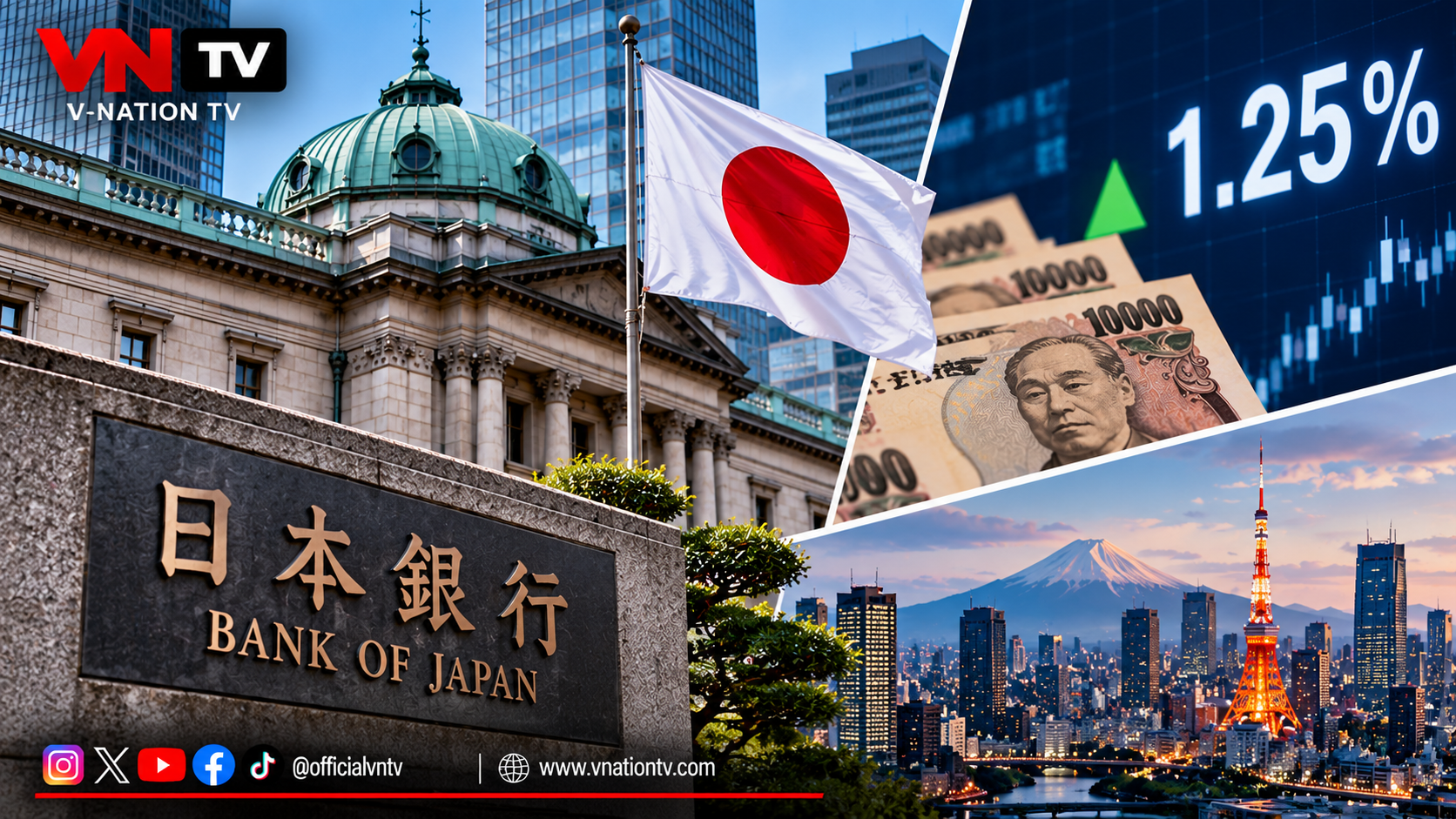
The Bank of Japan has raised its benchmark interest rate to 1.25 percent in a seven to two decision, taking Japanese borrowing costs to their highest level in 31 years. The move continues Japan's departure from decades of ultra low interest rates and could affect the yen, bond markets and international investment flows.
The Bank of Japan has raised its benchmark interest rate to 1.25 percent, taking borrowing costs to their highest level in 31 years as the central bank continues its historic shift away from decades of ultra low interest rates.
The decision was taken on Friday, September 18, by a seven to two vote of the Bank of Japan's policy board.
The increase represents another major step in the central bank's gradual normalisation of monetary policy following years in which Japan maintained some of the lowest interest rates among major global economies.
JAPAN CONTINUES SHIFT AWAY FROM ULTRA LOW RATES
For years, the Bank of Japan maintained extremely loose monetary policy in an effort to stimulate economic activity and prevent persistent deflation.
Japan even introduced negative interest rates in 2016, effectively charging some financial institutions for keeping excess reserves at the central bank.
That policy ended in 2024 when the Bank of Japan began moving interest rates back into positive territory.
The latest increase to 1.25 percent shows that policymakers are continuing that process as they monitor inflation, wages and economic activity.
DECISION COULD STRENGTHEN THE YEN
Higher Japanese interest rates can have significant consequences beyond Japan.
One immediate focus for financial markets is the yen.
For years, low Japanese interest rates encouraged investors to borrow cheaply in yen and invest the money in countries where assets offered higher returns, a strategy commonly known as the yen carry trade.
As Japanese interest rates rise, the difference between returns available in Japan and overseas can narrow.
That can encourage some investors to move money back into Japanese assets, potentially supporting the yen and affecting international financial markets.
GLOBAL INVESTMENT FLOWS COULD BE AFFECTED
The Bank of Japan's policy shift could also influence government bond markets.
Japanese investors including banks, insurers and pension funds hold substantial investments overseas.
If yields on Japanese government bonds become more attractive, some investors could reconsider how much capital they allocate to foreign bonds and other international assets.
Changes in those investment flows can have consequences for major markets including the United States and Europe.
INFLATION REMAINS CENTRAL TO POLICY
The Bank of Japan's future decisions are expected to depend heavily on whether inflation can remain sustainable alongside stronger wage growth.
Policymakers have sought evidence that rising wages and prices are creating a durable inflation cycle rather than temporary price increases caused primarily by external factors.
The latest rate increase suggests the central bank believes monetary conditions can continue moving gradually towards more normal levels.
However, further increases are likely to remain sensitive to economic growth, inflation, currency movements and conditions in global financial markets.
The decision marks another significant turning point for an economy that spent decades operating under near zero and negative interest rates.