FORMER WEST POINT CADET ACCUSED OF DRUGGING PREGNANT GIRLFRIEND WITH PROTEIN SHAKE AND FORCING ABORTION PILLS ON HER
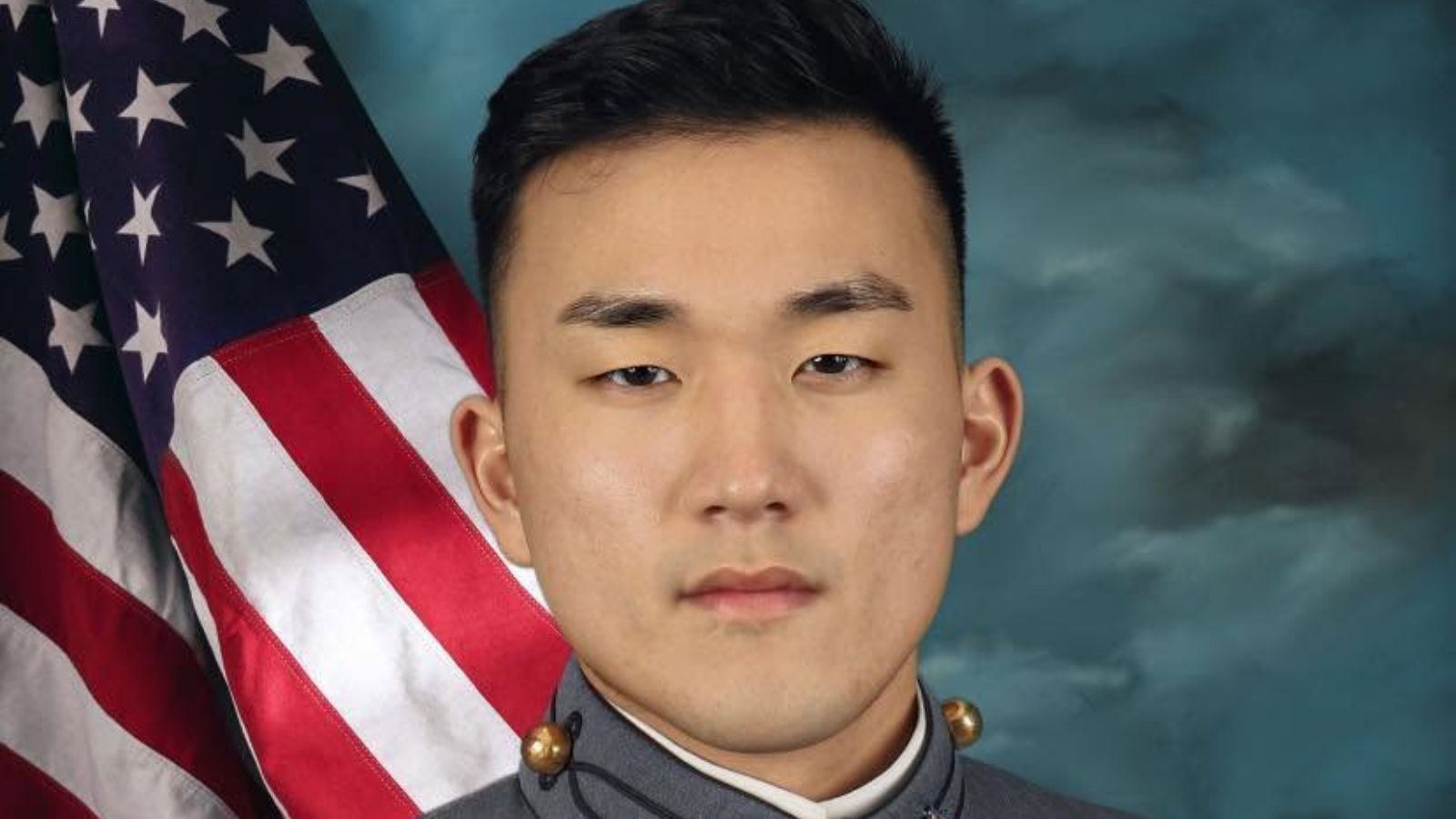
Former West Point cadet Caleb T. Suh has been sued after pleading guilty to assault for secretly drugging his pregnant girlfriend with a sedative-laced protein shake and administering abortion pills while she was incapacitated, causing a miscarriage. The woman, also a cadet, filed a civil complaint in New York seeking damages. Suh later graduated from Cornell and enrolled in a Columbia public-health program; he awaits sentencing.
A former West Point cadet who pleaded guilty in federal court to assaulting his pregnant girlfriend has been sued in New York state court over allegations that he secretly drugged her with a sedative-laced shake and then administered abortion medication against her wishes, resulting in the loss of a pregnancy she had intended to continue. Caleb T. Suh, the son of a senior Department of Veterans Affairs official, admitted in a June 2026 guilty plea that he obtained abortion pills by creating an online pharmacy account in the woman’s name, secured Xanax from a friend, and encouraged her to drink what he described as a prenatal protein shake before administering the medication while she was incapacitated. The civil complaint, filed on October 28 in New York Supreme Court by a woman identified as Jane Doe, expands on those admissions and seeks compensatory and punitive damages for assault and battery.
The two were cadets at the United States Military Academy when their relationship began around October 2020. According to the complaint, the woman learned she was pregnant in early 2022 while she was a sophomore. Suh repeatedly pressed her to terminate the pregnancy and, the filing alleges, threatened to take his own life if she refused. She told him she intended to keep the child. The complaint states that Suh then appeared to accept her decision while, unbeknownst to her, he used her identification to open an account with an online pharmacy, ordered abortion medication, and had it shipped to West Point. He also obtained Xanax through a friend. In his federal plea, Suh stated that his intent was to use the Xanax to sedate his girlfriend so that he could administer the abortion pills he had obtained.
On the evening of February 4, 2022, Suh visited the woman in her barracks room and encouraged her to drink a shake he presented as prenatal protein powder, according to both the lawsuit and his admissions. The complaint alleges the drink contained Xanax and Promethazine and that, when she objected to the taste, he held the container to her mouth and insisted she finish it. She became drowsy and eventually incapacitated. While she was in that state, the filing states, Suh inserted abortion pills into her vagina and placed others in her mouth. The woman later recalled finding pills in her mouth, spitting them out, and Suh placing them back in while telling her they were good for her. When she regained awareness she was bleeding heavily, contacted emergency services, and was taken to a hospital where doctors confirmed a miscarriage and performed a procedure to remove the remains of the fetus. The complaint alleges Suh left her alone after administering the pills and did not answer her subsequent attempts to reach him.
The woman reported the incident to the Army Criminal Investigation Division at West Point in May 2022. Federal prosecutors in the Southern District of New York charged Suh in June 2026 with assault resulting in substantial bodily injury to a dating partner, an offense under the special maritime and territorial jurisdiction statute that applies to certain federal enclaves including West Point. He pleaded guilty on June 30. In the plea allocution he acknowledged creating the pharmacy account under her identity, obtaining the medication without her knowledge, securing Xanax to sedate her, and administering the pills while she was incapacitated. He further acknowledged that she suffered a miscarriage as a result. He expressed remorse in court, stating he was deeply sorry for his actions and the pain he caused. Prosecutors have indicated they will seek a sentence of approximately two years in prison; the statutory maximum is five years. Sentencing was postponed until January so that Suh could complete the semester in Columbia University’s Master of Public Health program.
After leaving West Point, Suh transferred to Cornell University, where he completed undergraduate studies in emergency medicine and graduated in 2024. He subsequently enrolled in the public-health master’s program at Columbia. His current status at Columbia following the filing of the civil complaint is not publicly confirmed. The military academy has not released information on any administrative or disciplinary outcome of its own investigation. Assistant U.S. Attorney Marcia Cohen stated in court that Suh had previously told a West Point investigator the miscarriage was accidental and had denied ordering the abortion medication, an account that differs from the admissions he later made under oath.
The civil complaint, prepared by the law firm Wigdor LLP, frames the events as a life-altering act of sexual violence. It alleges that beyond the physical injury the woman was repeatedly removed from classes and training while the investigation proceeded and lived in fear of Suh. Her attorney, Russell Kornblith, said she was forced to endure an unimaginable trauma and was robbed of a pregnancy she wanted, while Suh went on to attend two Ivy League institutions. The firm has stated it intends to pursue the case aggressively. Suh has not yet filed a response to the civil complaint. Because the civil action is separate from the criminal case, the woman’s allegations regarding specific details of the night of February 4—such as the precise manner in which the drink was forced upon her and the exact number and placement of the pills—remain subject to the civil litigation process even though the core conduct of obtaining and administering the medication without consent was admitted in the criminal plea.
The sequence of events raises questions about the handling of the matter within the military academy’s investigative and disciplinary systems. The woman reported the incident in May 2022, yet federal charges were not brought until more than four years later. During that interval Suh completed an undergraduate degree at Cornell and began graduate study. The complaint notes that he was able to continue his education while the criminal case was pending and that sentencing was deferred to accommodate his academic calendar. Whether the academy’s internal processes imposed any restrictions on his status or access to campus facilities during the period between the report and the federal charge has not been publicly detailed.
Abortion medication obtained through online pharmacies has been the subject of increased regulatory and law-enforcement attention in recent years, particularly regarding verification of patient identity and the circumstances under which the drugs are dispensed. In this case the federal plea establishes that Suh used the woman’s identifying information to create the account and order the medication without her knowledge. The civil complaint further alleges that he posted questions on the pharmacy’s forum while impersonating her, including inquiries about whether the pills would be felt if placed in the vagina and whether they could be dissolved and consumed in liquid. Those communications, if authenticated in the civil case, would form part of the evidentiary record concerning intent and planning.
The woman’s identity remains protected in the civil filing as Jane Doe. Courts may later require disclosure if the defendant successfully challenges the anonymity, but for the present the complaint proceeds under that designation. The physical and emotional consequences described in the filing include the miscarriage itself, the subsequent medical procedure, ongoing trauma, and the disruption to her military education. The complaint seeks damages sufficient to compensate for those injuries and to punish the conduct.
Suh’s father, Dr. Ryung Suh, has held senior positions in the Department of Veterans Affairs health system, including service as chief of staff. There is no indication in the court records that the father was involved in or aware of the events at the time they occurred. The family relationship has been noted in coverage because of the father’s public role, but it does not alter the legal posture of either the criminal case or the civil complaint.
What is established through the guilty plea is that Suh obtained abortion medication using the woman’s identity, acquired a sedative, caused her to ingest a drink containing that sedative, and administered the abortion medication while she was incapacitated, resulting in a miscarriage. What the civil complaint alleges, and what has not yet been tested in the state court proceeding, are additional details concerning pressure to terminate the pregnancy, the precise method of administering the drink, the number and placement of the pills, and the longer-term effects on the woman’s education and well-being. The criminal case remains pending only for sentencing. The civil case is at its earliest stage. Both proceedings will determine the remaining factual and legal questions that surround an incident that began in a barracks room at West Point more than four years ago and has now produced a federal conviction and a damages action in New York state court.
The outcome of the sentencing and the civil litigation will establish the final judicial response to conduct that Suh has admitted and that the woman has characterized as a deliberate and violent interference with a pregnancy she had chosen to continue. Until those proceedings conclude, the public record consists of the admissions made under oath in federal court and the detailed allegations set out in the state-court complaint.