GAS PIPELINE EXPLOSION IN RIVERS INJURES ABOUT 20, DESTROYS 50 HOUSES AS RESIDENTS SAY LEAK WAS REPORTED WEEKS EARLIER
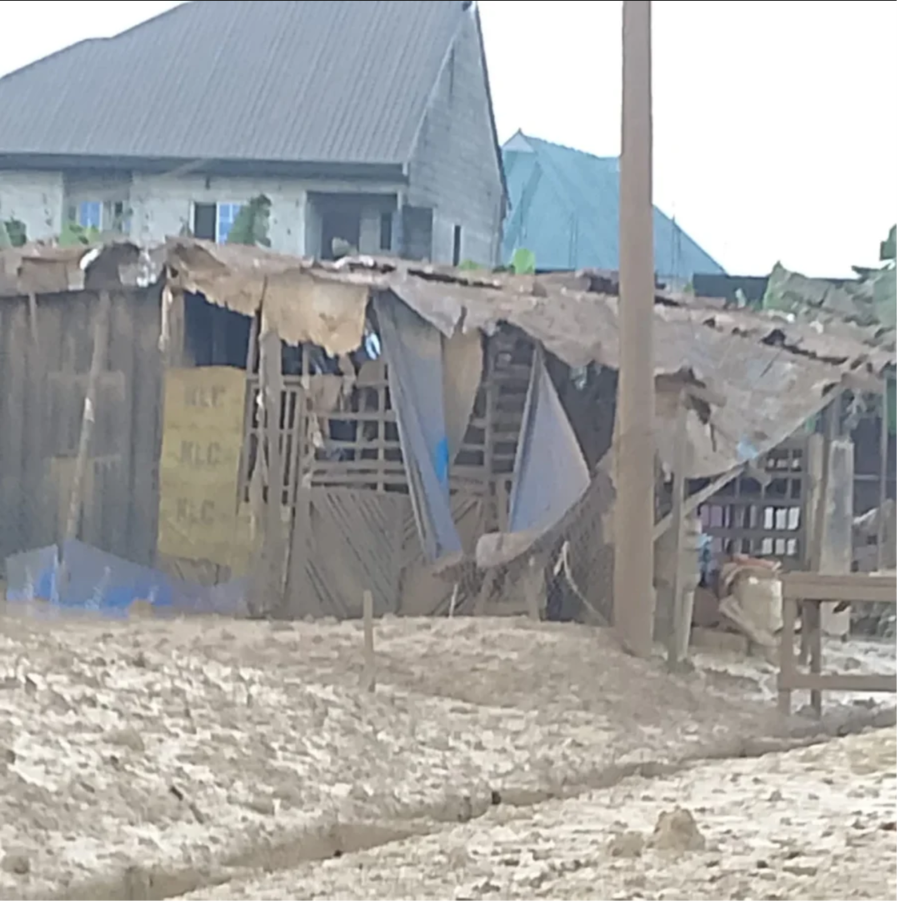
About 20 people were injured and roughly 50 houses were destroyed or severely damaged after a gas pipeline explosion in Aleto community, Eleme LGA, Rivers State, on Thursday evening. The blast occurred around 5 p.m. along Old Bori Road after a pipeline reported to belong to the Nigeria Gas Company ruptured. Residents and local officials allege that leakage had been reported before the explosion, but no official technical investigation has yet established the cause or determined whether earlier warnings were connected to the section that failed.
About 20 people have been injured and roughly 50 houses destroyed or severely damaged after a gas pipeline exploded in Aleto community in Eleme Local Government Area of Rivers State, with residents and local officials alleging that a leak had been reported weeks before the blast. The explosion occurred at about 5 p.m. on Thursday along Old Bori Road after a pipeline reported to belong to the Nigeria Gas Company ruptured, sending flames through nearby homes, roadside businesses and a mechanic workshop where several vehicles were parked. Injured residents were rushed to hospitals as families fled the area, while community leaders moved to restrict access to the scene amid fears that the damaged pipeline and continuing fire could pose further danger.
Initial accounts from the community placed the number of injured at about 20, while local officials and witnesses said approximately 50 houses were affected by the inferno. Shops, trading stalls, vehicles and other property were also damaged, leaving a significant section of the community dealing with both physical injuries and major property losses. No official death had been confirmed in the latest reports, although authorities had yet to issue a comprehensive casualty assessment detailing the condition of all the injured or the full value of the destroyed property.
The explosion immediately drew attention to claims from residents that the pipeline had been leaking before Thursday’s disaster. A resident identified as Stanley said the line had been leaking for about three weeks and alleged that community leaders had informed the company about the problem before the explosion occurred. According to him, many of the people caught in the blast were passers-by, traders and other residents going about their normal activities around Old Bori Road when the pipeline ruptured and ignited.
Those claims were reinforced by Daniel Chuma, Leader of the Eleme Legislative Council, who visited the area after the explosion and said local authorities had previously raised concerns about leakage involving Nigeria Gas Company infrastructure in the community. Chuma said correspondence had been sent to the company and petitions forwarded to the National Oil Spill Detection and Response Agency and the Rivers State Ministry of Environment, with the police also copied, seeking urgent intervention and a joint investigation. He said the council did not know what action had been taken before the explosion and complained that no representative of the company had reached the scene by the time he spoke publicly about the incident.
Chuma’s account is significant because it raises questions about whether warning signs existed before the explosion and whether enough was done to address them, but those questions remain unresolved. The fact that residents and local officials say earlier complaints were made does not by itself establish that the same section of pipeline that exploded had been officially identified as dangerous or that the operator ignored a confirmed technical fault. A formal investigation will need to determine exactly where the rupture began, whether the line had been leaking, what caused any leakage, whether maintenance procedures were followed and whether regulators or operators received actionable warnings before the blast.
The Youths and Environmental Advocacy Centre also confirmed that people had been hospitalized and called for immediate intervention by federal and Rivers State authorities. Its Executive Director, Fyneface Dumnamene, urged the state government, environmental authorities, NOSDRA and federal agencies responsible for petroleum and environmental safety to assist affected families and investigate the incident. The organization said the fire was still burning when its early statement was issued, increasing concern over the safety of nearby structures and residents who had gathered close to the scene.
Community leaders responded by cordoning off the affected area with barrier tape and warning residents to stay away. Chuma said people had initially fled in panic and that those returning to the location were being kept at a distance because the situation was still considered potentially dangerous. The immediate priority was to prevent additional injuries while emergency workers and relevant technical authorities assessed the damaged pipeline and the surrounding structures.
The blast has left some families without homes and others facing extensive repairs. Photographs from Aleto show damaged residential structures and areas surrounding the pipeline corridor covered in debris and water, while vehicles and commercial property were also affected. For residents who depend on small shops, roadside trading and vehicle repairs for income, the economic consequences could extend well beyond the physical damage caused on Thursday evening.
Eleme is one of Rivers State’s most heavily industrialized local government areas and contains a dense concentration of petroleum, gas, refining, petrochemical and other industrial infrastructure. Communities in the area have for decades lived close to pipelines and facilities that carry crude oil, refined products and natural gas between industrial installations. That proximity brings significant economic importance to the region but also means that failures involving pressurized pipelines can expose residential communities to serious risk.
Natural gas pipeline accidents can become especially destructive when escaping gas finds an ignition source. A rupture can release large quantities of pressurized gas in a short period, creating an intense fire capable of spreading quickly through nearby buildings and vehicles. Investigators will therefore need to establish not only what caused the pipeline to fail but also how the released gas ignited and whether the layout of surrounding structures contributed to the scale of the destruction.
Nigeria’s extensive oil and gas pipeline network has been affected over the years by a combination of corrosion, aging infrastructure, inadequate maintenance, accidental damage, sabotage, illegal connections and vandalism. However, none of those possible causes should be assigned to the Aleto explosion without evidence. The latest reports have not established whether Thursday’s rupture resulted from deterioration, operational failure, external interference or another cause, and any conclusion before a technical inspection would be premature.
A proper investigation is expected to involve examination of the failed section of pipeline, maintenance records, operating pressure data and any complaints previously received about leakage in the area. Investigators may also assess the age and integrity history of the line, whether corrosion monitoring had been carried out, and whether previous repairs or inspection recommendations were implemented. Statements from residents who reported smelling or seeing signs of a leak could also help reconstruct the period leading up to the explosion.
The reported involvement of the Nigeria Gas Company adds a national dimension to the incident because the company has historically played a major role in Nigeria’s domestic gas transportation system. Gas pipelines linked to the national network supply electricity generators, industries and other major consumers, making their reliability essential to both public safety and economic activity. Any extended shutdown associated with the damaged section could therefore have implications beyond the immediate community, although authorities had not announced a wider supply disruption in the first reports.
The explosion also raises questions about development around pipeline rights of way. Across parts of the Niger Delta and other densely populated areas, residential buildings, workshops and commercial activities can exist close to energy infrastructure, increasing the potential consequences when a pipeline fails. Enforcement of safety distances and control of development around pipeline corridors has long been a challenge, particularly where communities have expanded around infrastructure installed many years earlier.
That issue will need to be considered carefully in Aleto. The presence of homes, roadside businesses and a mechanic workshop close enough to be damaged by the blast suggests that the relationship between the pipeline route and surrounding development may form part of the broader safety review. Authorities will need to establish whether the affected structures were located within approved development areas and whether the pipeline operator maintained appropriate safety markings and surveillance along the corridor.
For residents, however, the immediate demand is likely to center on medical care, temporary shelter and compensation for destroyed property. Some of those injured may require extended treatment depending on the severity of burns or other injuries, while families whose homes were destroyed will need somewhere to stay. Traders and vehicle owners whose businesses or property were damaged may also seek financial support while the investigation proceeds.
Responsibility for compensation may depend on the eventual findings. If the explosion resulted from a failure for which the operator is legally responsible, affected residents could pursue compensation through regulatory, administrative or legal processes. If sabotage, third-party interference or another external cause is identified, liability could become more complicated. For that reason, a transparent joint investigation involving the relevant regulators, operator, state authorities and community representatives will be important.
NOSDRA’s involvement could be particularly significant because the agency has responsibility for environmental response and investigation following oil spills and related incidents. Although Thursday’s disaster involved gas rather than a conventional crude oil spill, environmental authorities may still examine the effects of the fire, damaged property and any associated contamination. Other petroleum sector regulators may also become involved depending on the ownership and operating status of the line.
The Rivers State Government had not issued a detailed public technical explanation in the earliest reports, and the Nigeria Gas Company had not been quoted providing its own account of what happened. Their responses will be important because residents have already made serious allegations about prior warning and delayed intervention. Until those parties respond and investigators examine documentary evidence, the public record remains dominated by community testimony rather than a completed technical finding.
That distinction matters in reporting the incident. The explosion and resulting injuries and property destruction are confirmed by multiple local reports, while the allegation that the line had been leaking for about three weeks is based on accounts from residents and local officials. Whether the operator knew of a dangerous leak, whether it responded adequately and whether any failure to act contributed directly to the explosion remain matters for investigation rather than established facts.
Thursday’s explosion is also likely to renew scrutiny of emergency preparedness in communities surrounded by energy infrastructure. Residents living near pipelines need clear procedures for reporting leaks, rapid access to emergency numbers and confidence that warnings will be assessed quickly. Operators, meanwhile, need reliable monitoring systems capable of detecting pressure losses or abnormal conditions before they develop into major accidents.
Technology can help reduce such risks through remote pressure monitoring, automatic shutoff valves, routine corrosion inspections and aerial or ground surveillance of pipeline routes. Those systems are most effective when combined with rapid response teams and clear communication with surrounding communities. An investigation into the Aleto explosion may therefore examine not only the physical condition of the pipeline but also how warning information moved between residents, local government officials, regulators and the operator.
The reported three-week timeline, if ultimately verified, would become one of the most important aspects of the case. A long-running leak would suggest that there may have been an opportunity to isolate the line before the explosion. Investigators would then need to determine whether the leak was correctly identified, whether the location reported by residents matched the rupture point, and what measures were taken after complaints were submitted.
If that allegation is not supported by technical evidence, authorities will still need to explain why residents believed a leak had been present and whether separate pipeline problems had already been occurring nearby. Chuma said an earlier complaint related to another section of Nigeria Gas Company infrastructure, which means investigators must carefully distinguish previous leakage reports from the exact line involved in Thursday’s blast rather than assuming they were the same incident.
The wider issue for Rivers State is the level of safety around the extensive network of pipelines passing through populated communities. The state remains at the center of Nigeria’s petroleum industry and hosts numerous facilities critical to national energy supply. That economic importance creates an equally important obligation to ensure that infrastructure is inspected, maintained and operated in ways that minimize risk to communities.
Previous pipeline incidents in the Niger Delta have often triggered disputes over whether failures resulted from equipment problems or deliberate interference. Such disputes can delay compensation and erode trust between operators and host communities. A transparent investigation in Aleto could help prevent the same pattern by establishing the physical cause of the rupture and publicly documenting the sequence of warnings, inspections and responses before the explosion.
For residents who watched homes and businesses burn on Thursday, the technical debate will not erase the immediate losses. Families will be waiting to learn whether damaged houses are safe to reenter, how long repairs will take and whether assistance will be provided. People receiving hospital treatment will also need continued medical support, particularly if any sustained serious burns or respiratory injuries from the fire and smoke.
Authorities will also need to determine whether any residents remain displaced and whether temporary accommodation is necessary. Emergency relief may include food, clothing, medical supplies and financial assistance, especially for households that lost both housing and sources of income in the same incident. Local officials and advocacy groups are already calling for support, but no comprehensive compensation or relief package had been announced in the first reports.
The absence of a confirmed death in the latest reporting provides some relief given the scale of the fire, but the situation remains serious. About 20 people injured and roughly 50 homes destroyed represent a major emergency for a single community, and casualty figures could still be revised as hospitals and authorities complete assessments. Officials will need to provide updated information on the injured, especially if any remain in critical condition.
The investigation should also establish when the pipeline was last inspected and whether the operator had received any previous safety recommendations concerning the Aleto area. Maintenance records could help determine whether the failure developed gradually or occurred suddenly. If corrosion or another structural defect is found, authorities may need to inspect connected sections of the network to ensure that similar weaknesses do not exist elsewhere.
That possibility makes the case significant beyond Aleto. A pipeline rupture linked to a localized external event would require one type of response, while a failure caused by broader integrity problems could require inspections across a much larger system. Regulators therefore have a responsibility to establish the cause before allowing assumptions about the incident to harden into conclusions.
The latest confirmed picture is that an explosion involving a reported Nigeria Gas Company pipeline injured about 20 people and damaged approximately 50 houses along Old Bori Road in Aleto. Residents and local officials say warnings about leakage had previously been raised, while advocacy groups are demanding urgent intervention and a formal investigation. No authoritative technical report has yet established the cause of the rupture or determined whether earlier complaints could have prevented the disaster.
The next developments will center on the condition of the injured, emergency support for affected families and the response from the pipeline operator and regulatory authorities. A credible investigation will need to examine the physical failure, the reported history of leakage and the communication between residents, officials and the company before Thursday’s explosion. Until that process is completed, allegations of negligence should remain clearly separated from the confirmed facts of the blast and its extensive impact on the Aleto community.
The incident has nevertheless exposed the potentially devastating consequences when high-pressure energy infrastructure and densely populated communities exist in close proximity. Whether the Aleto explosion ultimately proves to have resulted from maintenance failure, external interference or another cause, the scale of the damage means authorities will face pressure not only to establish responsibility but also to determine what safeguards are necessary to prevent another community from experiencing a similar disaster.