INEC RELEASES FINAL 2027 CANDIDATE LISTS AS PDP FACES OMISSIONS IN OGUN AND GOMBE
INEC has published its final candidate lists for Nigeria’s 2027 elections, confirming 18 presidential contenders including Bola Tinubu, Atiku Abubakar and Peter Obi. The publication has triggered disputes after the PDP was left without governorship candidates in Ogun and Gombe states, where Ladi Adebutu and Isa Pantami were among those omitted. The PDP says it is engaging INEC and has urged supporters to remain calm while it seeks a lawful resolution.
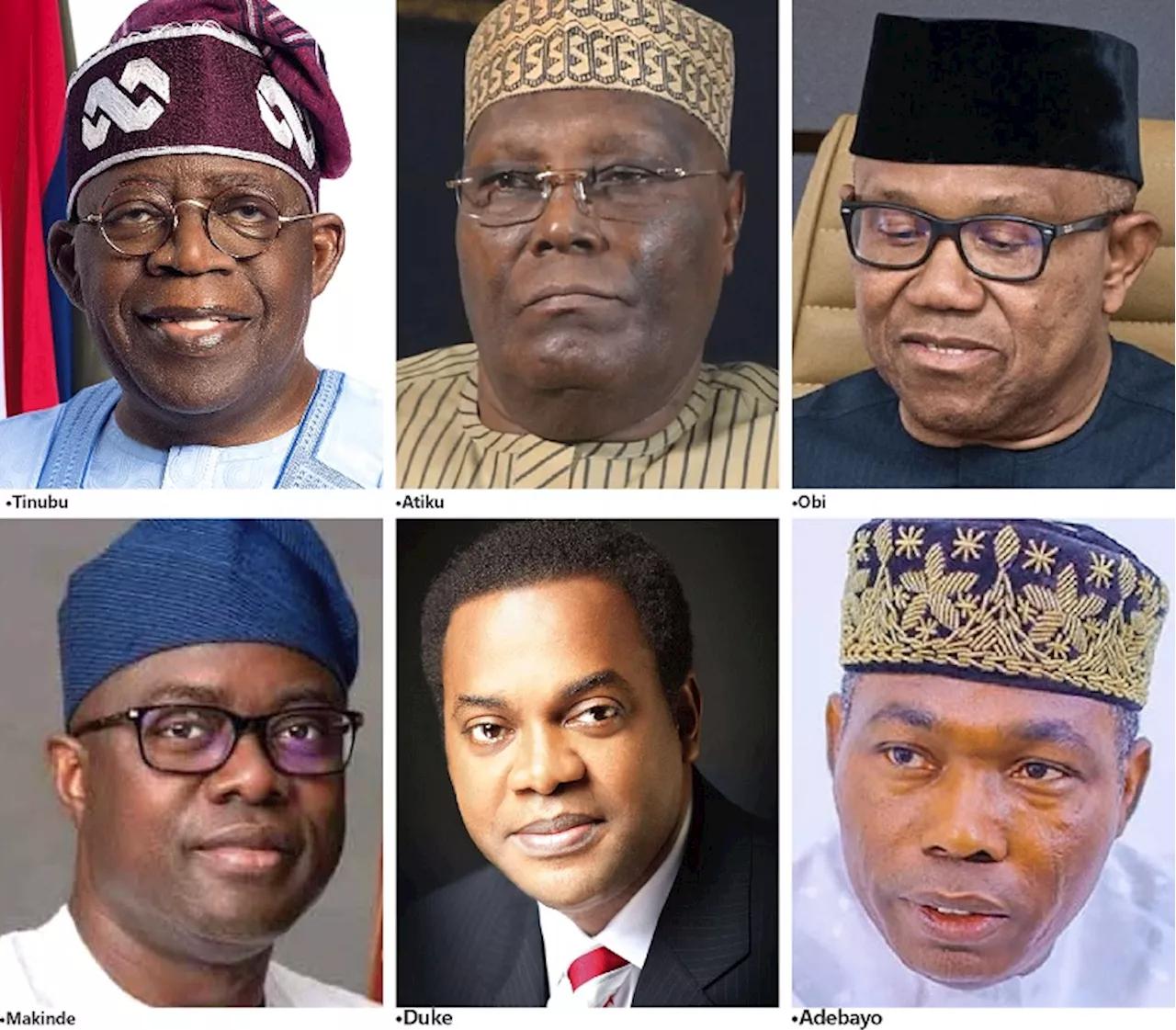
Nigeria’s Independent National Electoral Commission has published its final lists of candidates for the 2027 general elections, confirming President Bola Tinubu, former Vice President Atiku Abubakar and Peter Obi among 18 presidential contenders while triggering fresh disputes over the exclusion of several governorship candidates, including Peoples Democratic Party nominees in Ogun and Gombe states.
The publication marks one of the most consequential stages in preparations for the 2027 elections because the final lists determine the candidates formally recognized by the electoral commission for the presidential, governorship and National Assembly contests. While many of the country’s most prominent political figures appeared as expected, the absence of several candidates whose parties had previously announced their nominations has opened a new round of political and legal discussions only months before voting begins.
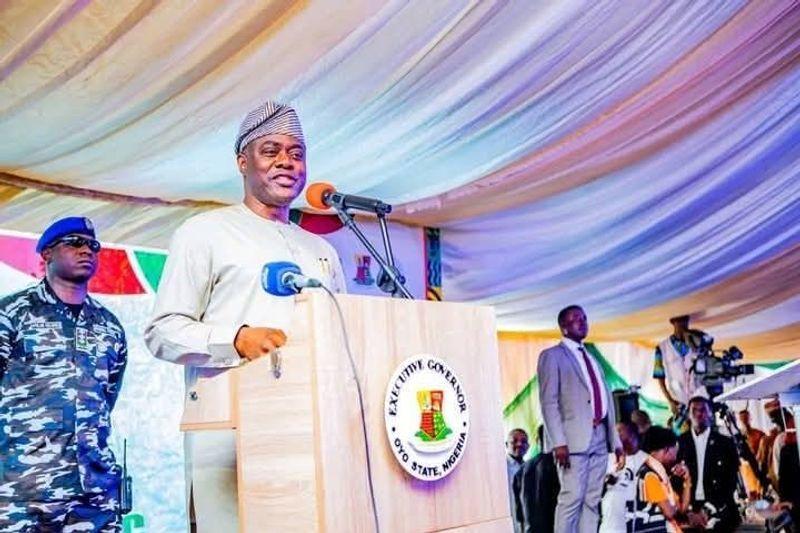
President Tinubu appears on the presidential list as the candidate of the All Progressives Congress as he seeks another term in office. Former Vice President Atiku Abubakar is listed as the presidential candidate of the African Democratic Congress, while Peter Obi appears under the Nigeria Democratic Congress. Other names on the 18 candidate presidential field include African Action Congress candidate Omoyele Sowore and Oyo State Governor Seyi Makinde, who is listed as the candidate of the Allied Peoples Movement.
The publication formally moves Nigeria further into the 2027 election cycle and follows months of party primaries, substitutions, court cases and disputes over candidate eligibility. Political parties have already begun positioning themselves for the national campaign, with the presidential contest attracting particular attention because of the presence of three figures who have occupied central positions in recent Nigerian politics.
Tinubu enters the election seeking to defend the record of an administration that has implemented extensive economic reforms since 2023, including the removal of the petrol subsidy and changes to the foreign exchange system. His opponents have focused heavily on the cost of living, employment, food prices and the impact of those reforms on household incomes. The final INEC list now gives formal shape to a presidential contest that had already been developing politically long before the commission completed its candidate publication process.
The most immediate controversy surrounding the new lists, however, is occurring in the governorship contests. INEC published governorship candidates across 26 states, but the PDP has no candidate listed in either Ogun or Gombe State. In Ogun, former governorship candidate Ladi Adebutu and his running mate Yemi Sowunmi Kolapo are absent from the final list, while in Gombe, former Communications and Digital Economy Minister Isa Ali Pantami is not listed despite having emerged as the PDP candidate following a fresh party primary.
INEC’s final list for Ogun contains 13 governorship candidates, while the Gombe list contains 16. Neither includes a PDP governorship nominee, creating a potentially serious problem for one of Nigeria’s largest opposition parties if the omissions remain unresolved before the election.
The commission’s published documents did not provide a detailed explanation for every candidate who was excluded, making it important to distinguish between the confirmed absence of the names and political claims about why they were omitted. The PDP has not accepted the situation as settled and says it has begun discussions with INEC in an effort to address the issue within the law and established electoral procedures.
PDP National Publicity Secretary Jungudo Mohammed said the party was treating the omissions with seriousness and had opened engagement with the commission to understand and resolve the issues responsible for the missing names. The party urged affected candidates, members and supporters to remain calm while those discussions continued and said it would provide further information when there were new developments.
The PDP’s cautious public response is significant because the final candidate list ordinarily represents a major procedural threshold in the election timetable. Any effort to alter the published names after that stage could depend on the precise legal basis for the omission, decisions by INEC and potentially court proceedings if the commission and affected parties cannot reach an administrative resolution.
The political stakes are particularly high in Ogun, where Adebutu has remained one of the PDP’s most recognizable figures. His camp has challenged the omission and the Ogun PDP has alleged that political pressure from the ruling APC contributed to the decision. That allegation has not been independently established, and INEC has not publicly confirmed that political pressure influenced its handling of the Ogun list. Without evidence from the commission or a court finding, the claim remains an accusation by the affected party.
Pantami’s position in Gombe has also been complicated by earlier disputes surrounding his nomination. He emerged from a fresh PDP primary in September after a court voided an earlier nomination process. His supporters expected the fresh exercise to resolve the problem, but his name was still absent when INEC published the final governorship candidates.
The timing of the omissions is particularly important because the final lists were released after a significant Supreme Court ruling involving provisions of the Electoral Act 2026. On September 24, the Supreme Court restored sections of the law dealing with party membership registers and eligibility to participate in primaries after those provisions had earlier been struck down by the Court of Appeal.
The restored provisions restrict participation in party primaries to members whose names appear on membership registers submitted to INEC within the period prescribed by law. The ruling immediately created uncertainty around some nominations conducted by political parties and forced parties and candidates to reassess whether their primary processes fully complied with the restored requirements.
Premium Times reported that the exclusions of Pantami and Adebutu followed that Supreme Court decision, although INEC’s final candidate documents did not expressly state that the ruling was the reason those particular names were omitted. That distinction is important because the existence of a relevant legal ruling does not by itself establish the commission’s reasoning in each individual case.
The final lists have produced disputes beyond the PDP. Former Kano Deputy Governor Aminu Gwarzo, who was expected to contest under the Nigeria Democratic Congress, was also among candidates whose absence attracted attention. In Ogun, an Accord Party governorship candidate was similarly missing, while other political parties have raised concerns about candidates excluded from different races.
The result is that what would ordinarily be a largely administrative milestone has developed into another contested stage of the election process. Parties are examining the published documents constituency by constituency and state by state, with some seeking clarification from INEC and others considering legal action.
The Action Alliance has indicated that it may go to court over affected candidates, while other parties have suggested that at least some of the omissions could result from administrative or technical problems rather than substantive disqualification. INEC had not publicly categorized all of the disputed cases at the time of publication, leaving the parties to seek explanations individually.
At the presidential level, the publication appears less immediately contentious. Eighteen candidates are listed, with Tinubu, Atiku and Obi among the best known figures in the contest. Omoyele Sowore is also listed, continuing his involvement in presidential politics, while several candidates from smaller parties complete the field.
The presidential election is scheduled for January 16, 2027, placing the final list at the center of preparations for what will be Nigeria’s next major national vote. Governorship elections are scheduled separately for February 6 in participating states, meaning disputes over the state candidate lists will need to move quickly if affected parties intend to challenge omissions before ballots and other election materials are finalized.
The finalization of candidates also shifts increasing attention toward campaign conduct. Nigeria’s National Peace Committee has already warned political leaders and parties against inflammatory language and violence as campaigning intensifies. Tinubu, Obi and other candidates have participated in peace initiatives designed to reduce tensions, although the effectiveness of such agreements will depend on how campaigns and supporters behave during the months leading to voting.
For INEC, the candidate list controversy presents another test of public confidence. The commission is responsible not only for organizing polling but also for demonstrating that candidate qualification rules are applied consistently and transparently across parties. Where candidates are excluded, especially high profile nominees from major parties, clear explanations can become important in limiting allegations of political manipulation.
The commission also faces a broader logistical challenge as it prepares for the elections. Recruitment of ad hoc staff is underway, political parties are moving into active campaigning and election materials must ultimately reflect the final candidate lists. Outstanding disputes therefore have implications beyond the affected politicians because any late judicial order changing candidates could require revisions to ballot preparation and related electoral arrangements.
The PDP’s immediate strategy appears to be engagement rather than confrontation. Its leadership has asked supporters not to make statements or take actions that could undermine discussions with INEC, suggesting that the party believes an administrative solution may still be possible. Whether that approach succeeds will depend on the reasons behind each omission and whether electoral law gives the commission room to make changes at this stage.
Adebutu and Pantami are likely to remain the most closely watched PDP cases because of their political profiles and the importance of Ogun and Gombe to the party’s broader electoral strategy. If the candidates are restored, the dispute could end as a procedural disagreement. If INEC maintains the final lists without them, the controversy could shift rapidly into the courts.
The situation also illustrates how party disputes and primary procedures can become as consequential as the general election itself. Political parties may nominate candidates through internal processes, but those nominations still have to comply with statutory requirements, deadlines and judicial decisions before INEC can recognize them for the ballot.
The Supreme Court ruling on membership registers has added another layer to that process by restoring requirements that affect who may legitimately participate in party primaries. Parties that conducted nominations while the provisions were under legal challenge may now face questions about whether their processes remain valid under the restored law.
That uncertainty is likely to produce additional litigation as affected candidates test the boundaries of the ruling and challenge decisions they believe wrongly exclude them. Courts could therefore continue to influence the composition of the 2027 ballot even after INEC’s publication of what it describes as the final list.
For voters, the immediate significance of the publication is that the presidential field is now formally defined and most governorship contests have recognized candidate lists. The larger uncertainty lies in a smaller number of disputed races where parties are still contesting exclusions and seeking clarification from the electoral commission.
The PDP has not indicated that it is abandoning its governorship ambitions in Ogun or Gombe and has instead emphasized that discussions with INEC are continuing. The commission, for its part, has not publicly announced any reversal of the lists or provided a comprehensive explanation covering every disputed omission.
The coming days are therefore likely to determine whether the disputes remain administrative matters or develop into significant pre election court battles. The final candidate lists have given Nigeria a clearer picture of the 2027 contests, but the omissions in Ogun, Gombe and several other races show that the legal and procedural fight over who will ultimately appear on some ballots is not yet completely settled.
For INEC, resolving those disputes transparently will be important as the commission moves from candidate nomination toward full election operations. For the affected parties, time is increasingly important because campaigns, ballot preparation and voter mobilization are already advancing. The presidential contest now has its official lineup, but several state races remain clouded by questions that may require further commission decisions or judicial intervention before Nigerians finally vote.