
IRAN SAYS IT STRUCK OIL TANKER IN STRAIT OF HORMUZ
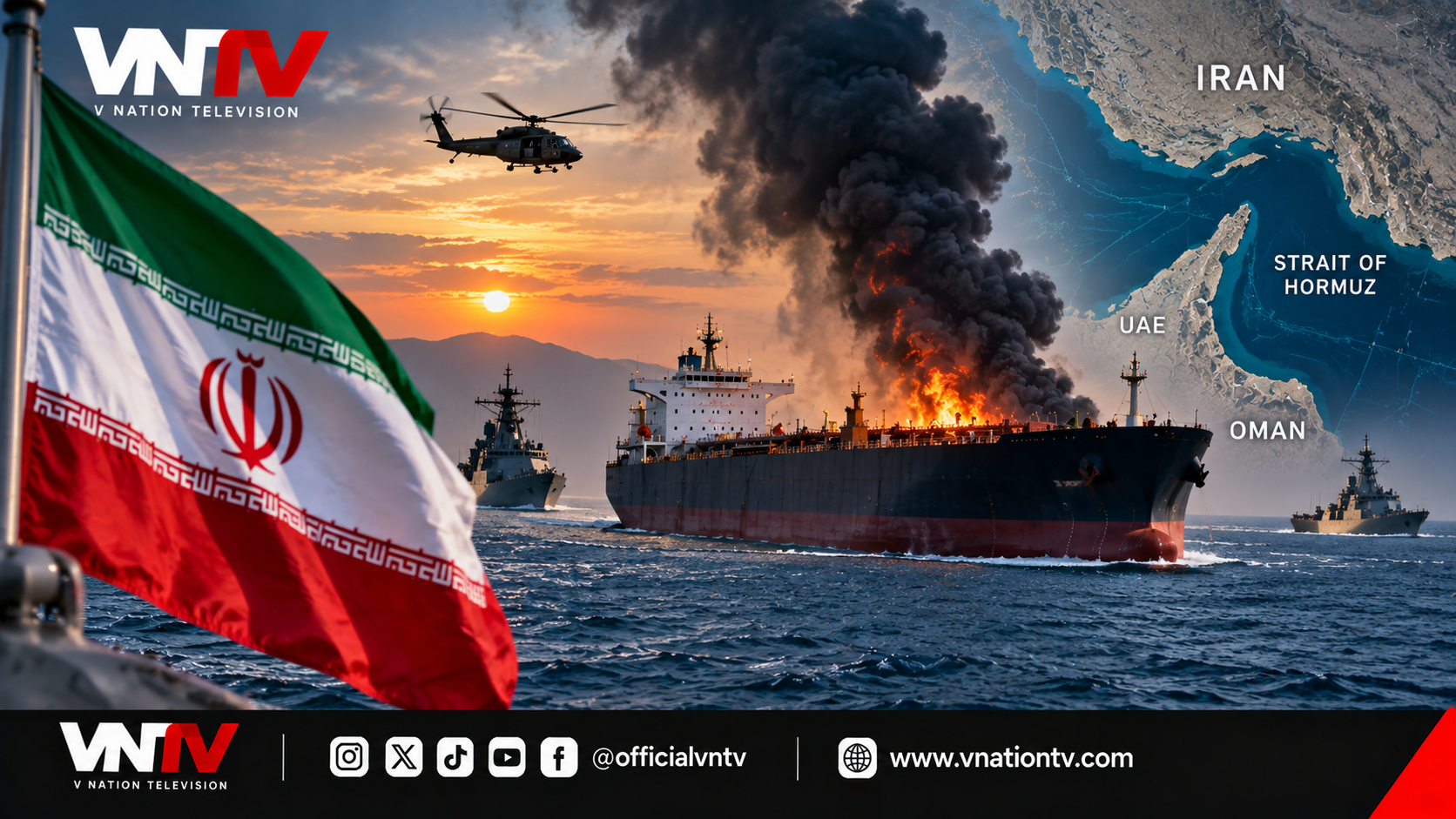
Iran's Revolutionary Guard says it struck the Togo flagged oil tanker Trend in the Strait of Hormuz after accusing the vessel of attempting an unauthorized passage. The incident comes amid reports of other attacks involving commercial vessels around the strategically important global energy corridor.
Iran's Revolutionary Guard says it struck a Togo flagged oil tanker in the Strait of Hormuz after accusing the vessel of attempting an unauthorized passage through the strategically important waterway.
The tanker, identified as the Trend, was targeted as it attempted to cross the strait, according to a statement from Iran's Revolutionary Guard Navy carried by Iranian state media.
Iran said the vessel caught fire following the strike and was forced to stop.
The incident represents another escalation around one of the world's most important energy corridors, where disruptions to commercial shipping can have immediate consequences for global oil markets.
IRAN ACCUSES TANKER OF UNAUTHORIZED PASSAGE
Iran's Revolutionary Guard accused the Trend of attempting to cross the Strait of Hormuz without authorization.
The Iranian military also alleged that the vessel had been encouraged by the United States military to make the passage.
No independent evidence supporting that allegation was immediately provided.
Iranian authorities did not immediately provide detailed information about the tanker's cargo, crew or the extent of the damage.
The condition of those aboard the vessel also remained unclear.
OTHER MARITIME INCIDENTS REPORTED
The incident comes amid reports of other commercial vessels being targeted around the Strait of Hormuz.
The United Kingdom Maritime Trade Operations reported that a merchant vessel was struck by an unknown projectile, causing a fire that was subsequently extinguished.
The crew was reported safe.
It was not immediately clear whether that incident involved the Trend or was a separate attack.
Other tanker incidents involving projectiles have also been reported as tensions around the waterway intensify.
HORMUZ REMAINS CRITICAL TO GLOBAL ENERGY
The Strait of Hormuz connects the Persian Gulf with the Gulf of Oman and the Arabian Sea.
It is one of the world's most strategically important maritime passages because large quantities of crude oil, petroleum products and liquefied natural gas exported by Gulf producers normally travel through the waterway.
Any sustained disruption can reduce available energy supplies, increase shipping insurance costs and push oil prices higher.
Shipping companies may also delay voyages or take additional security precautions when the threat to commercial vessels increases.
SHIPPING TRAFFIC HAS FALLEN
Commercial shipping through the Strait of Hormuz has already declined significantly amid heightened regional tensions.
Shipping data reported by Reuters showed that traffic through the strait remained well below recent averages this week.
Some vessels have also reportedly switched off their tracking systems while travelling through the region because of security concerns.
The uncertainty has increased attention on alternative export routes and pipelines that allow Gulf producers to bypass the strait.
ENERGY MARKETS WATCH ESCALATION
Oil traders are closely monitoring developments around Hormuz because even temporary disruptions can influence global energy prices.
The risk becomes particularly significant when attacks directly involve oil tankers.
Any prolonged reduction in tanker traffic could affect exports from several major energy producing countries in the Gulf and increase transportation and insurance costs for international buyers.
The latest incident involving the Trend therefore adds another layer of uncertainty to global energy markets already facing significant geopolitical pressure.