

ITALY CALLS FOR MORE WARSHIPS TO PROTECT RED SEA SHIPPING AS YEMEN CONFLICT ESCALATES
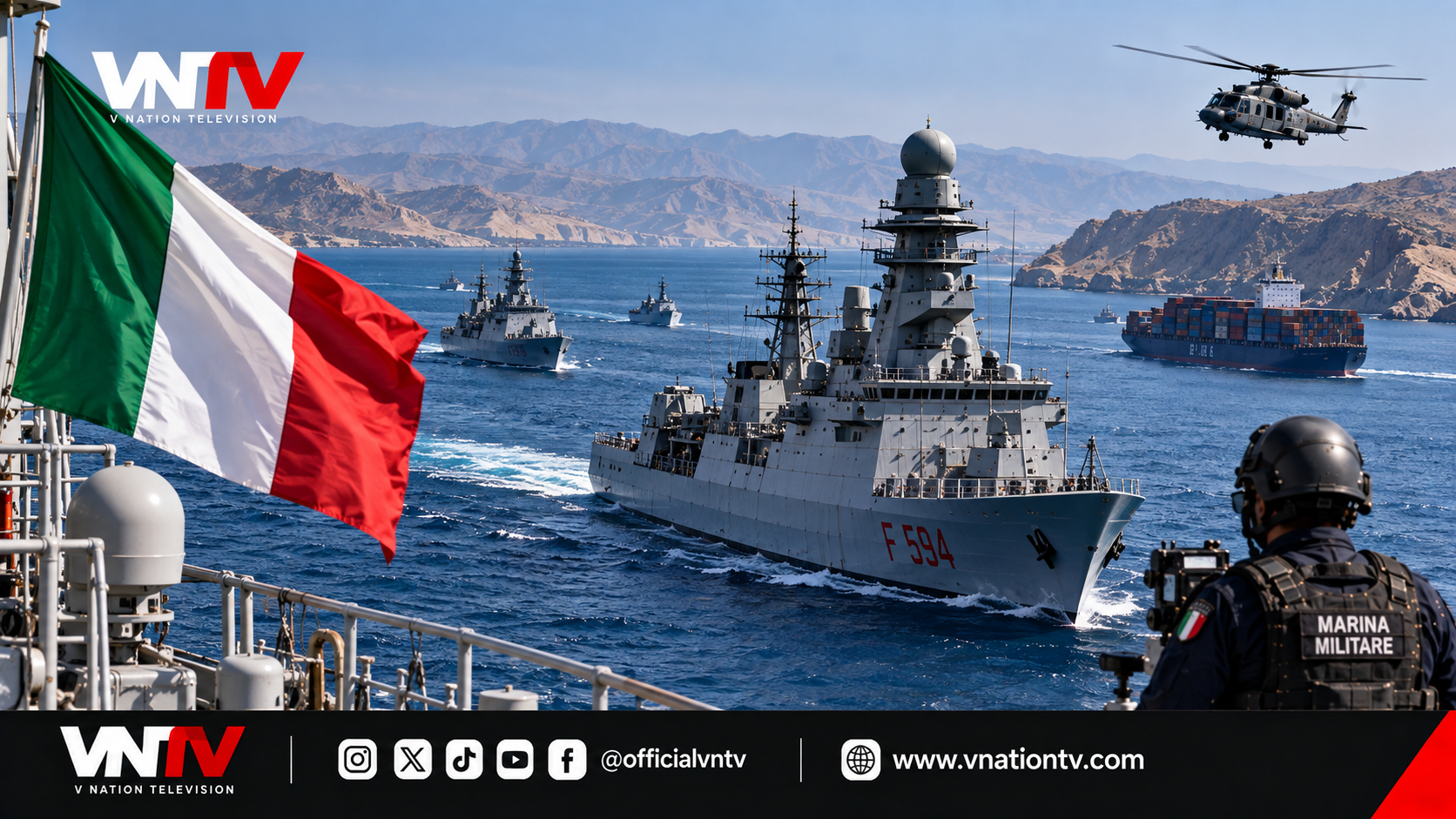
Italy is calling for a stronger international naval presence in the Red Sea as the Yemen conflict threatens shipping around the Bab el Mandeb Strait. Defense Minister Guido Crosetto says roughly 40 percent of Italian trade normally passes through the Suez Canal, while Italy is preparing an independent naval operation alongside its participation in the EU Aspides mission.
Italy has called for a stronger international naval presence in the Red Sea as escalating conflict involving Yemen threatens commercial shipping around the Bab el Mandeb Strait, one of the world's most important maritime trade routes.
Italian Defence Minister Guido Crosetto said on Friday that more warships were needed to protect navigation through the region as security conditions deteriorate.
Italy is already participating in the European Union's Aspides naval mission but is also preparing an independent Italian operation aimed at strengthening maritime security.
The growing concern reflects the economic importance of the Red Sea and Suez Canal route to Italy and the wider European economy.
ITALY WANTS STRONGER NAVAL PRESENCE
Crosetto said protecting freedom of navigation required a greater international military presence in the area.
Italy currently contributes to the EU Aspides mission, which was established to protect commercial vessels navigating the Red Sea and surrounding waters.
Crosetto said Italy was also preparing a separate national operation that could involve additional naval assets.
The Italian government has not announced all operational details, including the final number of vessels that could be deployed.
BAB EL MANDEB CRUCIAL TO GLOBAL SHIPPING
The Bab el Mandeb Strait connects the Red Sea with the Gulf of Aden and Arabian Sea.
Ships travelling between Europe and Asia normally use the route to reach the Suez Canal, dramatically reducing journey times compared with sailing around Africa's Cape of Good Hope.
Disruption around the strait can therefore force shipping companies to divert vessels around Africa.
Those longer journeys can increase fuel consumption, insurance costs, delivery times and overall freight expenses.
40 PERCENT OF ITALIAN TRADE USES SUEZ ROUTE
Crosetto highlighted the direct economic consequences for Italy, saying roughly 40 percent of the country's trade normally passes through the Suez Canal.
That exposure makes continued access to the Red Sea particularly important for Italian businesses.
A prolonged disruption could affect companies importing goods and raw materials from Asia while also increasing costs for Italian exporters shipping products to overseas markets.
The wider European economy is also vulnerable because the Suez route is a major commercial link between European and Asian markets.
YEMEN CONFLICT RAISES SECURITY CONCERNS
Italy's call comes as fighting involving Yemen continues to threaten regional maritime security.
Attacks and military activity around the Red Sea have already forced international shipping companies to reassess routes through the area.
The Italian government argues that protecting commercial navigation requires an international response rather than relying solely on individual countries or shipping companies.
The EU's Aspides operation is defensive in nature and focuses on protecting merchant vessels and maintaining freedom of navigation.
ITALY PREPARES INDEPENDENT OPERATION
Alongside its participation in Aspides, Italy is preparing its own naval operation.
Crosetto said the separate deployment would allow Italy to respond more directly to threats affecting its national economic and security interests.
The move could increase Italy's military presence along one of the world's most strategically important shipping corridors.
However, details of the operation and its rules of engagement will be important in determining how it operates alongside existing European and international missions.
GLOBAL TRADE ROUTE UNDER PRESSURE
The Red Sea crisis has implications extending far beyond Italy.
The Suez Canal and Bab el Mandeb form a critical maritime corridor linking Asia, the Middle East and Europe.
When shipping through the route becomes unsafe, vessels can be diverted thousands of kilometres around southern Africa.
That can increase transportation costs and create delays throughout international supply chains.
Italy's call for additional warships therefore reflects both a security concern and an economic one as European governments seek to protect access to a trade route vital to their economies.