JIMMY ODUKOYA’S REMARRIAGE REIGNITES DIVORCE DEBATE AS AT LEAST EIGHT PASTORS’ MARRIAGES END
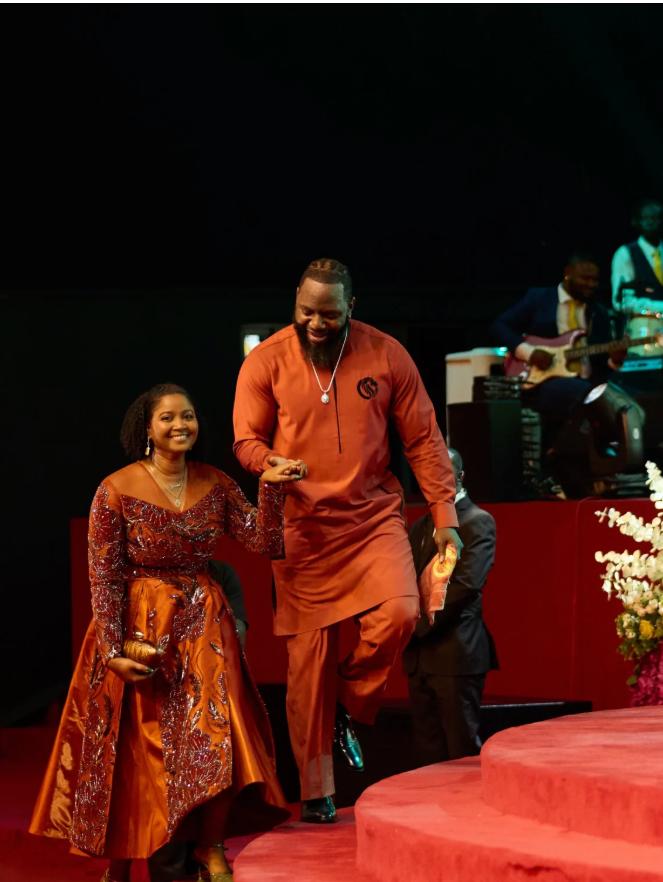
Pastor Jimmy Odukoya’s remarriage has reignited debate over divorce and remarriage among Nigerian pastors. At least eight marriages involving prominent clerics reportedly ended in divorce or separation between 2012 and 2026. Religious leaders remain divided over biblical grounds for divorce, while marriage counsellors point to incompatibility, social media pressure and the demands of ministry as contributing factors.
LAGOS, November 7, 2026 The remarriage of Pastor Jimmy Odukoya, Senior Pastor of The Fountain of Life Church in Lagos, has reignited a long-running debate over divorce and remarriage among Nigerian Christian leaders, exposing deep divisions over how biblical teachings on marriage should apply to pastors whose own relationships have ended.
Odukoya introduced his new wife, Pastor Mo Odukoya, to members of the church during a Sunday service on November 1, days after posting a photograph of two hands wearing wedding rings with the caption, “To New Beginnings.” The announcement confirmed that the cleric had remarried following the collapse of his first marriage to Oluwakemi Banjoko, with whom he has two children. The development has attracted congratulations from supporters but also renewed questions about the circumstances surrounding the breakdown of his previous union and the position of divorced pastors who choose to marry again.
The controversy extends beyond Odukoya’s personal life. Saturday PUNCH reported that at least eight marriages involving prominent Nigerian pastors ended in divorce or separation between 2012 and 2026, a period that has seen several high-profile clerics publicly address the collapse of their relationships. Among those identified were Christ Embassy founder Chris Oyakhilome, Household of God Church founder Chris Okotie, Champions Royal Assembly General Overseer Joshua Iginla and Calvary Bible Church General Overseer Olumide Emmanuel. The cases differ in their circumstances and legal status, but their public profiles have placed them at the center of a wider discussion about the expectations attached to religious leadership.
Odukoya’s first marriage began in March 2013, when he married Banjoko in London. The couple had two children, but the reasons for the eventual breakdown of the relationship have not been publicly established. During his introduction of Mo to the congregation, Odukoya said he had been single for some time after taking over the leadership of the church and described his new marriage as a new beginning. He became senior pastor in 2023 after the death of his father, the church’s founder, Pastor Taiwo Odukoya, who died in August of that year.
The new marriage reportedly followed a private ceremony in the United States, with Pastor Tunde Bakare of The Citadel Global Community Church confirming during the church presentation that the couple had married there. Bakare, who joined his wife, Olayide, in praying for the newlyweds, said he did not know the date of the ceremony. Mo, whose full name is Motunrayo Daniel, is a creative entrepreneur and designer and the daughter of Reverend Titus Daniel and Reverend Bolaji Daniel. She was previously married to British-Nigerian music producer and gospel artist Mosadoluwa Adegboye, popularly known as itsMOSA.
Odukoya’s announcement also prompted renewed attention to the personal histories of both partners, including interviews they had given during their previous marriages. In an interview marking the 10th wedding anniversary of Mo and Adegboye, the former couple discussed their early relationship, marriage at a young age and the adjustments involved in building a family. In another interview, Odukoya and Banjoko reflected on the early years of their marriage, including the difficulty of living in different countries while raising a young family. Banjoko said the first five years were not perfect but included more good times than bad, and described the strain of being based in London while her husband lived in Nigeria.
Those earlier accounts do not establish why either marriage ended, and neither should be treated as an explanation for the subsequent relationships. Odukoya has not publicly provided a detailed account of the circumstances that led to the breakdown of his first marriage. The absence of a public explanation has, however, left room for speculation, particularly after the pastor’s new relationship became known.
A member of The Fountain of Life Church, speaking to Saturday PUNCH on condition of anonymity, alleged that Odukoya’s relationship with Mo had been a subject of discussion among people familiar with the family before the marriage was announced. The source claimed that Mo had previously been a close friend of Odukoya’s elder sister, Pastor Toluwani Odukoya-Ijogun, popularly known as Tolu, and alleged that the friendship ended after Tolu became aware of the relationship between her brother and Mo. The claims were attributed to the anonymous church member and have not been independently substantiated. They do not establish when the relationship began or whether it overlapped with either person’s previous marriage.
A second church member told the newspaper that the introduction of Mo to the congregation produced mixed reactions, with some worshippers welcoming the couple while others appeared less enthusiastic. The source said some members had been surprised by the announcement and believed the congregation had not been adequately informed about the pastor’s personal circumstances. The same source cautioned that church members did not know what had caused Odukoya’s first marriage to end and said the pastor’s sister had welcomed the new wife during the public presentation.
The newspaper also noted that Tolu had not published a congratulatory message on her Instagram page as of the time of its checks, although she was present during the presentation. Her lack of a public social media post does not establish opposition to the marriage or a disagreement within the family. The distinction is important because speculation about private family relationships can quickly become presented as fact, particularly when public figures and religious institutions are involved.
Odukoya’s remarriage has brought back memories of other prominent pastoral marriages that ended in separation or divorce. In February 2016, Anita Oyakhilome’s lawyers announced that a decree absolute had been issued by the High Court of Justice in London, formally dissolving her marriage to Chris Oyakhilome. The divorce followed proceedings initiated in 2014. Anita’s lawyers confirmed the finalisation of the divorce on February 8, 2016, and said she was no longer involved in Christ Embassy, the church founded by her former husband. The proceedings attracted considerable attention because the couple had been among the most visible husband-and-wife figures in Nigerian Pentecostal Christianity.
In June 2012, the Household of God Ministry announced the separation of Chris Okotie and his second wife, Stephanie Henshaw, after four years of marriage. The church said the decision followed a review of their circumstances and that both parties had agreed not to disclose detailed reasons for the separation. Henshaw subsequently spoke publicly about the split, while Okotie did not provide a detailed public explanation at the time. The separation also revived questions about the pastor’s earlier marriage, which had ended after 17 years.
Joshua Iginla, the founder of Champions Royal Assembly in Abuja, publicly announced the breakdown of his marriage to Yemisi in March 2019, rather than 2020 as some accounts have subsequently suggested. During a church service, Iginla acknowledged that both he and his wife had been involved in extramarital relationships and that each had children outside the marriage. He said the situation had become difficult to manage and asked his congregation to pray for the family. Reports in May 2020 said he had formally divorced Yemisi and remarried a South African prophetess, identified in reports as Stella.
Pastor Olumide Emmanuel, General Overseer of Calvary Bible Church, also spoke publicly in 2023 about the collapse of his first marriage. In an interview with Pastor Kingsley Okonkwo, Emmanuel alleged that he experienced repeated physical and emotional abuse during the nine years of the marriage. He said he had attempted to resolve the problems through counselling and discussions involving other religious leaders before eventually seeking legal advice and filing for divorce. His former wife was not identified in the interview and did not provide a response in the reports reviewed. The allegations therefore remain Emmanuel’s account of the relationship rather than independently established findings.
The cases have prompted sharply different responses from religious leaders, many of whom argue that pastors should be held to the same biblical standards they teach their congregations. Former President of the Christian Association of Nigeria, Reverend Samson Ayokunle, said the Bible permits separation in certain circumstances but does not support divorce and remarriage. He cited the teachings of Jesus in Matthew 19, arguing that marriage is intended to be lifelong and that couples who separate because of threats to their safety should not automatically regard themselves as free to marry another person.
Ayokunle also identified religious differences as a possible reason for separation, particularly where one spouse does not share the other’s Christian faith or can no longer accommodate the demands of that faith. His position reflects a strict interpretation of Christian marriage in which separation may be necessary in exceptional circumstances, but the marriage covenant remains binding.
Evangelist Alaba Akande, founder of Christ Apostolic Church, Light of Joy, Ibadan, similarly identified adultery as the principal biblical ground for divorce. He said the standard should apply equally to men and women, arguing that couples should remain together where neither partner has committed adultery. Akande’s position places emphasis on the biblical exception commonly associated with sexual immorality and rejects the idea that ordinary marital disagreements or dissatisfaction should be sufficient grounds for ending a marriage.
Pastor Dayo St. John, founder of Help for the Family Ministry and a marriage counsellor, expressed an even stronger objection to divorce and remarriage among Christians, describing the practice as rebellion against God. He argued that marriage was established for a divine purpose and that breaking the union carries consequences beyond the couple involved. St. John maintained that Christians who divorce and subsequently marry other people are violating biblical teachings, and specifically criticised Odukoya’s remarriage because both he and his new wife had previously been married.
The Lead Pastor of Victory Life Bible Church International, Apostle Lawrence Achudume, also criticised the growing number of marital breakdowns among pastors. He attributed the problem partly to what he described as a shallow understanding of Christianity, arguing that some people embrace the public and celebratory aspects of church life without adequately understanding the sacrifice, commitment and responsibility required in marriage. Achudume said marriage should not be treated as a relationship sustained only by romantic feelings, but as a long-term responsibility that requires effort through difficult periods.
Achudume also questioned the speed with which some pastors appeared to move from divorce to remarriage, saying such developments raised questions about the relationships and decisions that preceded the breakdown of their previous unions. He disclosed that he had not considered remarrying following the death of his wife and urged pastors to be more open about marital disagreements instead of presenting an image of perfect family life to their congregations. In his view, church leaders should show members how conflicts can be resolved rather than create the impression that successful Christian marriages never experience serious problems.
Marriage counsellors interviewed by Saturday PUNCH identified a combination of factors that they believe contribute to marital breakdowns among religious leaders. Ibrahim Olalere cited incompatibility, social media influence and differences in religious commitment, arguing that some couples discover after marriage that they do not share the same expectations about faith and family life. He also criticised online relationship advice from people without professional counselling experience, saying some social media content encourages unrealistic expectations that can deepen dissatisfaction within marriages.
JeNom Makama of FamilyLife Nigeria attributed some marital crises among pastors to the demands of ministry and the failure to balance church responsibilities with family obligations. He argued that some ministers devote so much time to church activities that their spouses and children receive insufficient attention, leaving relationships vulnerable to resentment and conflict. Makama said the problem was not simply the amount of time pastors spend working, but the failure to recognize that family life is itself a responsibility that requires sustained attention.
Makama also pointed to changing attitudes toward divorce among Christians, noting that believers differ over whether adultery is the only legitimate ground for ending a marriage or whether other circumstances, including persistent unhappiness and incompatibility, can justify separation. He said greater financial independence among women had also changed the choices available to those in unhappy marriages, making it possible for more women to leave relationships without depending entirely on their husbands for survival. At the same time, he criticised some church counselling practices for placing a heavier burden on women to endure troubled marriages without adequately addressing the conduct of their husbands.
The legal and social dimensions of the debate also complicate the way pastoral separations are reported. Abdulkareem Azeez, Chairman of the Nigerian Bar Association’s Ikirun branch, told Saturday PUNCH that cases involving religious leaders could be underreported because some couples prefer to settle their differences privately rather than pursue prolonged litigation. He also identified sexual incompatibility as one of the issues that can create emotional and physical distance between spouses. His comments point to a distinction between the number of marital breakdowns that become public and the wider number of cases that may be resolved privately.
The cases cited in the debate do not all have the same legal status. Some, such as the Oyakhilome marriage, were formally dissolved by a court, while other cases were initially announced as separations or described publicly by one or both partners as marriages that had ended. The distinction matters because separation, divorce and remarriage are not interchangeable terms, either legally or within the different theological positions expressed by the clerics. It also means that the reported figure of at least eight marriages should not be interpreted as eight identical or necessarily court-confirmed divorce cases.
For churches, the issue is particularly sensitive because pastors are expected not only to preach on marriage but also to model the values they ask congregations to uphold. The expectation can place religious leaders under intense public scrutiny when their own relationships end, while also creating pressure for them and their former spouses to keep private disputes away from public attention. The counsellors’ comments suggest that the same pressures affecting other marriages, including distance, incompatible expectations, financial changes and neglect, can also affect clergy families, although the public visibility of pastors makes their experiences more contentious.
The controversy surrounding Odukoya’s remarriage is therefore unlikely to be resolved by the announcement of the wedding itself. The pastor has confirmed that his first marriage ended before he assumed leadership of The Fountain of Life Church, but he has not publicly detailed the reasons for the breakdown. Allegations by an anonymous church member about the history of his relationship with Mo remain unverified, while the church’s response to questions from Saturday PUNCH was not obtained before publication. The central disagreement remains theological: some church leaders believe remarriage after divorce is prohibited, while others interpret biblical exceptions differently and argue that individual circumstances must be considered.
As more prominent clerics speak publicly about failed marriages, the debate is increasingly moving beyond the private decisions of individual couples to questions about church accountability, pastoral credibility and the treatment of divorced Christians within religious communities. The different positions expressed by Nigerian pastors and marriage counsellors show that there is no single interpretation shared across the Christian community. Odukoya’s new marriage has brought those disagreements into renewed focus, but the circumstances of his first marriage, like several other cases involving prominent clerics, remain matters that cannot be conclusively judged from public speculation alone.