KANO COURT SENTENCES TWO MEN TO DEATH BY HANGING FOR MURDER OF HOUSEWIFE AND HER SIX CHILDREN
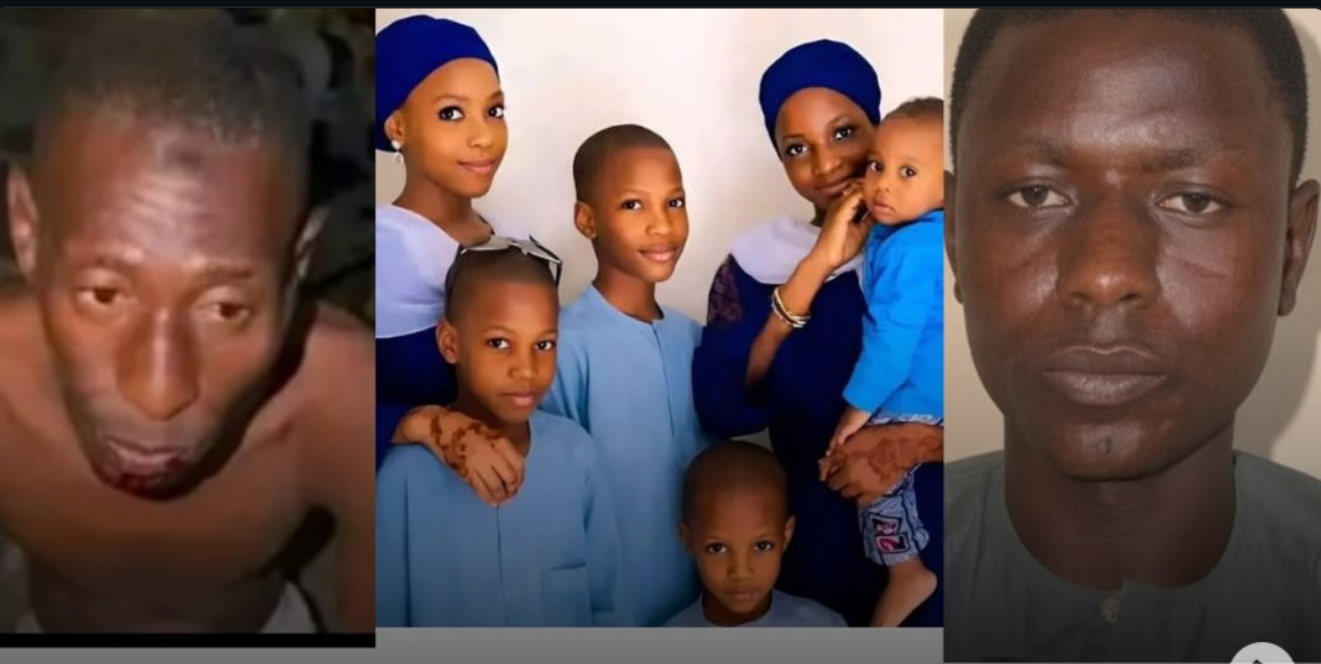
A Kano State High Court has sentenced Umar Auwalu and Yakubu Dayyabu to death by hanging for the January 17, 2026, killing of Fatima Abubakar and her six children in Dorayi Chiranci. Each man received death sentences on seven culpable homicide counts and life imprisonment with hard labour for armed robbery. A third defendant, identified in court reports as Isiyaku Abdul’azeez, was discharged and acquitted. The convicts retain the right to appeal.
A Kano State High Court has sentenced Umar Auwalu and Yakubu Dayyabu to death by hanging for the killing of 35-year-old Fatima Abubakar and her six children in Dorayi Chiranci, bringing a major development in a case that shocked residents of the state and drew national attention earlier this year.
Justice Nasiru Saminu of High Court No. 11 delivered the judgment on Friday, November 6, 2026, after finding the two defendants guilty of culpable homicide over the January 17 attack on the family’s home. The court also imposed life imprisonment with hard labour for armed robbery, while a third defendant was discharged and acquitted after the judge ruled that the prosecution had failed to establish his involvement in the offences.
The court imposed death sentences on each of the two convicts across the seven counts of culpable homicide, corresponding to the seven people killed in the attack. The victims were Fatima and her children: Maimuna, 17; Aisha, 16; Bashir, 13; Abubakar, 10; Faruk, seven; and Abdulsalam Haruna, who was approximately one and a half years old.
The killings occurred on January 17, 2026, at the family’s residence in Dorayi Chiranci, Kano. According to the prosecution, the attackers entered the house armed with sticks, an iron rod and a cutlass, then attacked Fatima and her children. The prosecution told the court that the assailants stole two mobile phones and ₦200,000 during the incident before carrying out the killings. Faruk and the youngest child, Abdulsalam, were reportedly thrown into a well within the premises after the attack.
The prosecution’s account was presented by Kano State Attorney General and Commissioner for Justice, Abdulkarim Kabir Maude, who led the case alongside Barrister Salisu Muhammad Tahir. The court heard that the attackers used several dangerous objects during the assault, while the prosecution relied on medical evidence and other materials to establish the circumstances surrounding the deaths. Fatima’s husband and the children’s father, Haruna Bashir, survived the attack.
During the trial, Umar Auwalu pleaded guilty to the charges but denied throwing the children into the well. Yakubu Dayyabu and the third defendant pleaded not guilty. The prosecution presented eight witnesses and tendered 30 exhibits, including medical reports, confessional statements, bloodstained items, the alleged murder weapon, cash, mobile phones and audio-visual recordings. The judge considered the prosecution’s evidence alongside the defence arguments before reaching the verdict.
Justice Saminu described the killings as a horrific crime and expressed the gravity of the loss of seven members of one family. In remarks reported after the judgment, the judge said: “How I wish there is a punishment heavier than this. My emphasis is not to administer vengeance but justice.” The statement reflected the court’s assessment of the seriousness of the offences, although the sentences were imposed under the provisions of the law governing culpable homicide.
The third defendant was discharged and acquitted after the court found that the prosecution had not presented sufficient credible evidence linking him to the killings and conspiracy charges. Reports identified him as Isiyaku Abdul’azeez, also known as Chebe, although some accounts have used a different version of his name. His acquittal in this case does not amount to a finding on any separate allegations or proceedings involving him.
Speaking after the judgment, Maude described January 17 as a tragic day in Kano State’s history and said the killing of seven members of one family was an incident residents would not forget. He said the prosecution was satisfied with the court’s decision, commended the police for their investigation and praised officials of the state Ministry of Justice who worked on the case.
The attorney general also said the state government was prepared to pursue the implementation of the death sentences if the convicts did not exercise their right of appeal within the period allowed by law. That position means the judgment should not be interpreted as an indication that the sentences will be carried out immediately. The defendants retain the right to challenge their convictions and sentences through the judicial appeals process.
The case attracted widespread attention because of the number of victims, the ages of the children and the circumstances of the attack inside their family home. The deaths of the youngest children, particularly the toddler, intensified public concern as investigators and prosecutors worked to establish the responsibility of those accused.
The judgment brings the trial at the High Court to a conclusion, but the legal process may continue if either convict files an appeal. The acquittal of the third defendant also underscores the court’s obligation to assess the evidence against each accused person individually rather than treating their presence in the same case as proof of collective responsibility.
For Haruna Bashir and the surviving relatives, the ruling cannot restore the seven lives lost in the attack. The court’s decision establishes the criminal responsibility of Auwalu and Dayyabu at trial, while the next stage will depend on whether the convicts challenge the judgment and how the appellate courts handle any such proceedings.