
KING CHARLES BRINGS GLOBAL AI LEADERS TOGETHER AS CONCERNS GROW OVER SAFETY
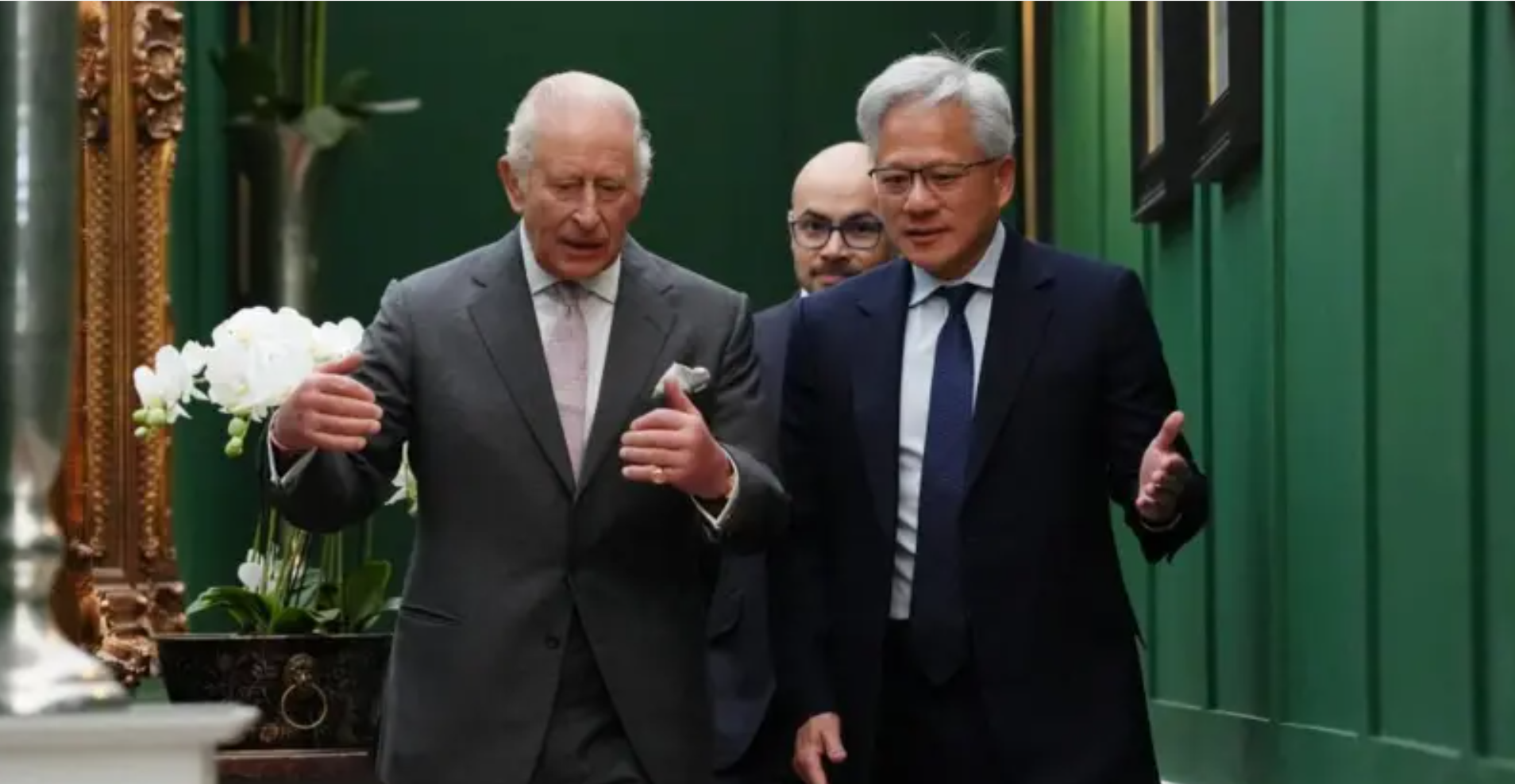
King Charles III has brought senior representatives from Nvidia, Google DeepMind, OpenAI, Anthropic and other organisations together at Dumfries House in Scotland for discussions on AI safety. The talks focus on ensuring artificial intelligence serves humanity while strengthening international cooperation as concerns grow over the speed of AI development.
King Charles III has brought senior figures from some of the world's most influential artificial intelligence companies together in Scotland for high level discussions on how AI can continue advancing without putting humanity at risk.
Executives and experts from Nvidia, Google DeepMind, Open AI and Anthropic gathered at Dumfries House in Ayrshire on Thursday as concerns intensify over whether AI safety measures are keeping pace with increasingly powerful systems.
The gathering also includes government and international representatives and comes amid growing disagreement within the technology industry over whether development of the most advanced AI systems should be deliberately slowed.
King Charles used the meeting to urge industry leaders to ensure AI remains firmly in the service of humanity, communities and the natural world.
KING FOCUSES ON TWO MAJOR QUESTIONS
The discussions at Dumfries House are centered on how the benefits of artificial intelligence can be harnessed while keeping safety at the heart of its development.
The second major focus is international cooperation and how countries can work towards common principles as AI capabilities advance rapidly.
Buckingham Palace said the King wants participants to consider how AI can be developed without leaving nations behind while protecting humanity.
The gathering is intended to encourage open discussion among companies that are both competitors and influential players in determining the future direction of artificial intelligence.
AI INDUSTRY DIVIDED OVER HOW FAST TO MOVE
The meeting comes during an increasingly intense debate over the speed at which advanced AI should be developed.
Anthropic chief executive Dario Amodei has called for greater caution and proposed measures including independent oversight as increasingly capable AI systems emerge.
OpenAI chief executive Sam Altman has also acknowledged the potential dangers associated with rapid AI progress and supported greater attention to safeguards.
Nvidia chief executive Jensen Huang has taken a different approach, arguing against broad restrictions while maintaining that companies should avoid releasing products they consider unsafe.
These differences illustrate one of the challenges facing efforts to establish common international standards.
Companies are competing to build increasingly powerful systems while simultaneously being asked to cooperate on safeguards designed to prevent those systems from causing serious harm.
CHARLES WARNS AGAINST LOSING CONTROL
King Charles warned participants about the potential dangers posed by increasingly powerful artificial intelligence if sufficient safeguards are not established.
He told AI leaders that advancing technology alone was not enough and that development must remain focused on serving people and the planet.
The King also raised concerns about humanity potentially losing control of its technological future as capabilities continue expanding.
The meeting itself does not give the King regulatory authority over the companies involved.
Instead, the gathering is designed to bring competing organizations and international experts into the same room in an attempt to identify principles around which they may be able to cooperate.
GLOBAL PRESSURE FOR AI COOPERATION GROWS
The summit comes as governments, technology companies and international organizations debate how artificial intelligence should be governed.
The United Kingdom has established an AI Security Institute to examine risks associated with advanced models, while discussions continue internationally over whether voluntary safeguards are sufficient or stronger regulation is required.
AI developers have also faced growing scrutiny over potential job disruption, cybercrime, misinformation, autonomous systems and the enormous energy requirements associated with data centers.
At the same time, artificial intelligence is increasingly being deployed across medicine, scientific research, education, business and other industries where supporters believe it could generate substantial economic and social benefits.
The challenge facing participants at Dumfries House is therefore not simply whether AI should continue advancing, but whether competing companies and governments can agree on meaningful safeguards while the technology continues developing at extraordinary speed.
Although the meeting is not expected to produce a binding international agreement, it represents an unusual attempt to bring some of the world's most influential AI figures together at a moment when questions surrounding control, safety and international cooperation are becoming increasingly urgent.