

CHINAS CXMT PREPARES MOVE INTO FLASH MEMORY MARKET AS GLOBAL SHORTAGE DEEPENS
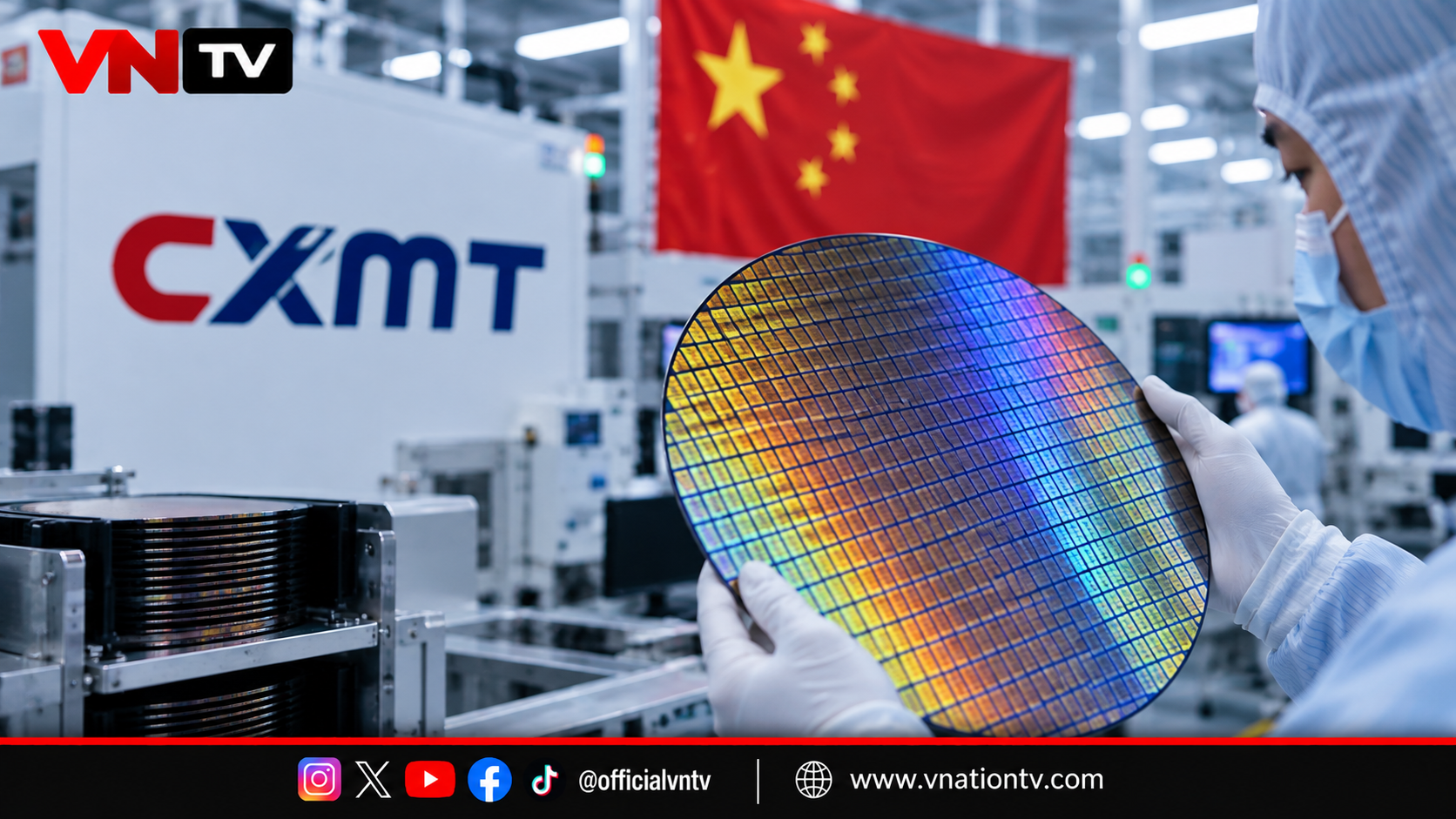
Chinese memory chipmaker CXMT is preparing to expand beyond DRAM into NAND flash memory, potentially challenging Samsung and China's YMTC. The company plans a research and development production line in Beijing as strong AI demand contributes to a global shortage of memory chips.
Chinese memory chipmaker CXMT is preparing to enter the fast growing flash memory market, a move that could put the company into direct competition with Samsung Electronics and domestic rival YMTC as global demand for memory chips continues to outpace supply.
CXMT, formally known as ChangXin Memory Technologies, plans to establish a research and development production line for NAND flash memory at its new facility in Beijing, according to three people familiar with the plans cited by Reuters.
The expansion would represent a significant strategic shift for CXMT, which has built its business primarily around DRAM chips.
The company has also established a research institute in Beijing where NAND development is among the projects being pursued.
CXMT DISCUSSES PLANS WITH POTENTIAL CUSTOMERS
CXMT has already discussed its NAND plans with potential customers, according to Reuters.
One is an unnamed startup that intends to purchase CXMT NAND chips for storage products designed for artificial intelligence systems and supercomputers.
However, the project remains at an early stage.
It is not yet clear when CXMT's research and development production line will begin operating or whether the company will ultimately move from research and trial production into large scale commercial manufacturing.
CXMT, YMTC, Samsung and the Beijing municipal government did not immediately respond to Reuters requests for comment.
GLOBAL MEMORY SHORTAGE CREATES OPPORTUNITY
CXMT's planned expansion comes as the semiconductor industry experiences tight memory supplies driven partly by rapidly growing demand from artificial intelligence infrastructure.
Memory manufacturers have directed substantial investment towards DRAM and high bandwidth memory used in advanced AI systems.
That shift has limited additional production capacity for NAND flash memory, contributing to tighter supplies.
Industry executives expect the broader memory shortage to continue through at least 2027, while research firm TrendForce expects NAND supply pressures to begin easing only during the second half of 2027.
NAND flash memory is widely used to store data in smartphones, computers, servers and data centres, while DRAM provides temporary working memory used by processors.
CXMT COULD CHALLENGE SAMSUNG AND YMTC
Samsung remained the world's largest NAND supplier by revenue during the second quarter of 2026 with a 29.3 percent market share, according to TrendForce.
SK Hynix ranked second, followed by US chipmaker Micron Technology.
In China, CXMT's expansion would bring it directly into a market where YMTC is the country's leading domestic producer.
The two Chinese companies have historically concentrated on different parts of the memory industry.
CXMT has focused on DRAM while YMTC has specialised in NAND.
Those boundaries are now beginning to change.
YMTC has also explored expansion into DRAM, meaning China's two leading memory chip manufacturers could increasingly compete across both major segments.
CHINA PUSHES FOR GREATER CHIP SELF SUFFICIENCY
The development also carries wider strategic importance for China's semiconductor industry.
CXMT and YMTC have become important parts of Beijing's efforts to reduce dependence on foreign semiconductor technology and develop domestic alternatives in strategically important areas including artificial intelligence.
Both companies have expanded with financial backing from Chinese government linked funds and local authorities.
CXMT raised approximately 57.92 billion yuan, about $8.6 billion, through an initial public offering in July.
US technology export restrictions have further increased China's focus on developing domestic semiconductor manufacturing capabilities.
If CXMT successfully moves into commercial NAND production, its entry could increase competition in a global market currently dominated by established manufacturers while strengthening China's domestic memory chip supply chain.
For now, however, CXMT's NAND ambitions remain in the development stage, and no timetable for mass production has been announced.