KWANKWASO ACCUSES KANO GOVERNOR ABBA YUSUF OF USING EFCC TO TARGET HIM AND HIS FAMILY AS POLITICAL RIFT DEEPENS AHEAD OF 2027
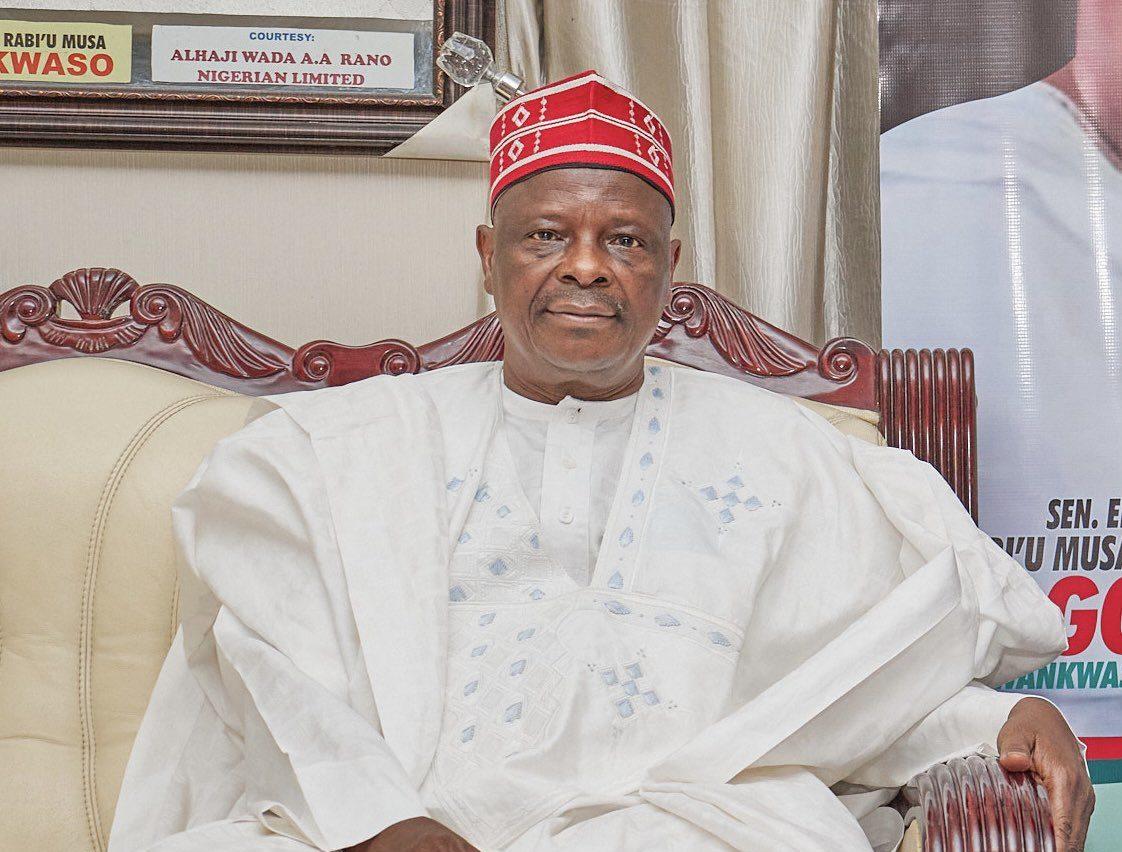
Former Kano State Governor and NDC vice-presidential candidate Rabiu Musa Kwankwaso has accused Governor Abba Kabir Yusuf of attempting to use anti-corruption institutions to damage his reputation and target members of his family ahead of the 2027 general elections. In a statement issued on Friday, November 27, 2026, Kwankwaso alleged that Yusuf had unsuccessfully approached the EFCC before turning to the Society for Anti-Corruption and Good Governance Initiative to pressure the commission through protests and petitions concerning properties allegedly associated with him. The former governor also claimed that the campaign extended to NDC governorship candidate Aminu Abdussalam Gwarzo. The accusations represent a further escalation of the political dispute between the two former allies following Yusuf's defection to the APC in January. The allegations remain independently unverified, while the EFCC has pledged to examine the petition professionally.
Former Kano State Governor and 2027 Nigeria Democratic Congress vice-presidential candidate, Senator Rabiu Musa Kwankwaso, has accused Governor Abba Kabir Yusuf of attempting to use anti-corruption institutions to damage his reputation and undermine his political movement ahead of the next general elections. In a statement published on social media on Friday, November 27, 2026, Kwankwaso alleged that his former political associate had approached the Economic and Financial Crimes Commission to initiate an investigation against him but subsequently resorted to alternative means after failing to secure the desired intervention. The allegations mark a significant escalation in the deteriorating relationship between the two politicians, whose association reportedly spanned more than four decades before their eventual separation earlier this year.
Kwankwaso expressed concern that the alleged campaign extended beyond his personal political activities to members of his family, maintaining that individuals associated with the Kano State administration were attempting to subject them to public controversy. The former governor suggested that the efforts were intended to damage the reputation he had developed over nearly five decades of public service. His statement also raised questions about the independence of anti-corruption institutions during politically sensitive periods, particularly as Nigeria prepares for an election in which both men are associated with competing political organizations.
The accusations followed a protest at the headquarters of the Economic and Financial Crimes Commission in Abuja on Wednesday, November 25, organized by the Society for Anti-Corruption and Good Governance Initiative. The organization submitted a petition requesting an investigation into several properties allegedly associated with Kwankwaso, including assets reportedly located in Abuja, Lagos, Kano and Nasarawa State. Its representatives called on investigators to establish the ownership of the properties, determine the sources of financing used to acquire them and examine whether relevant asset declaration requirements had been observed.
The organization maintained that its intervention was motivated by concerns about public accountability rather than partisan political interests. Its spokesperson, Muhammad Abdullahi, argued that individuals who have occupied public office should be accountable for the sources of their wealth and the assets associated with them. However, the submission of a petition does not establish that the allegations contained within it are accurate, nor does it constitute a formal criminal charge against the former governor. The ownership of the disputed properties and the legality of their acquisition remain matters requiring verification through appropriate investigative procedures.
Kwankwaso rejected the organization's stated motivations, alleging that its activities formed part of a broader political campaign orchestrated by Governor Yusuf and individuals associated with his administration. He claimed that the governor had previously attempted to persuade the EFCC to pursue him directly but subsequently relied on the civil society organization to exert public pressure on the commission. The former governor also questioned the organization's institutional credibility, alleging that it lacked registration with the Corporate Affairs Commission and had no established relationship with Nigeria's principal anti-corruption agencies.
Those claims concerning the organization's registration and alleged relationship with the Kano State Government have not been independently substantiated. Kwankwaso did not publish documentary evidence establishing that Yusuf financed, instructed or otherwise coordinated the protest at the EFCC headquarters. The organization has separately maintained that its petition was not politically motivated. Establishing whether the group acted independently or received support from political actors would require evidence beyond the competing public statements issued by those involved.
Responding to the protesters on behalf of the EFCC, Michael Nzekwe, Chief of Staff to the commission's chairman, indicated that the petition would receive professional consideration. He emphasized that the commission was not a partisan political institution and that its responsibilities required it to examine allegations according to established procedures. His response did not establish that investigators had formally concluded that Kwankwaso committed an offense, and no announcement of criminal charges arising from the petition had been identified at the time of reporting.
Despite his accusations against Governor Yusuf, Kwankwaso expressed appreciation for the EFCC's previous handling of matters involving him. He recalled receiving invitations from the commission on two occasions during his years in public service, maintaining that its officials had conducted themselves professionally. The former governor distinguished his criticism of the alleged political campaign from his assessment of the anti-corruption agency itself, suggesting that its established institutional procedures had prevented political actors from compelling it to undertake inappropriate action.
The former governor also defended his personal record, referring to the numerous positions he has occupied throughout his career in Nigerian public administration and politics. Kwankwaso served two terms as governor of Kano State, from 1999 to 2003 and again from 2011 to 2015, in addition to holding positions at the federal level, including Minister of Defence and senator representing Kano Central. He maintained that the reputation established through those responsibilities was now being subjected to an organized attempt to discredit him. His defense of his public record represents his own assessment and does not independently resolve questions that investigators may legitimately examine.
The accusations have attracted particular attention because of the longstanding relationship between Kwankwaso and Governor Yusuf. Before becoming one of Kano's most prominent political officeholders, Yusuf held several positions under Kwankwaso's leadership, including responsibilities as a personal assistant, principal private secretary and commissioner. Their professional and political association developed into one of the most influential partnerships within the Kwankwasiyya movement, which became a major force in Kano's electoral politics and public administration.
Kwankwaso stated that his relationship with Yusuf had lasted approximately 43 years, suggesting that their association extended considerably beyond the immediate political circumstances that led to the governor's emergence in 2023. He maintained that their longstanding connection had given Yusuf substantial familiarity with his personal values, administrative conduct and political activities. His latest statement portrays the alleged use of that familiarity against him as a betrayal of the trust that previously characterized their relationship.
Yusuf emerged as the governorship candidate of the political movement associated with Kwankwaso during the 2019 election and subsequently contested the position again in 2023. His eventual victory under the platform of the New Nigeria Peoples Party represented an important political achievement for the Kwankwasiyya movement, which had spent several years challenging the influence of the All Progressives Congress within Kano. Kwankwaso's organizational support played a substantial role in Yusuf's political rise, establishing expectations among their supporters that the relationship would remain central to the state's administration.
Those expectations began to unravel as disagreements concerning political leadership, party affiliation and the direction of the Kano State Government became increasingly visible. Yusuf formally defected from the NNPP to the APC on January 26, 2026, ending his longstanding political alignment with Kwankwaso. The decision brought the governor into the same political organization as former Kano Governor Abdullahi Umar Ganduje, whose rivalry with Kwankwaso has shaped much of the state's political history over the past decade.
The defection was particularly significant because it involved more than the departure of an individual politician from one party to another. It altered relationships among political officeholders, government officials and supporters who had previously operated within the same political movement. The decision also created competing accounts concerning the circumstances that led to Yusuf's departure, with the governor and his former political mentor presenting substantially different explanations for the breakdown of their alliance.
Earlier this week, Yusuf provided his own account of the controversy during an interview with BBC Hausa. The governor alleged that Kwankwaso had previously instructed him to approach President Bola Ahmed Tinubu concerning a possible return to the APC following the disputes surrounding the 2023 Kano governorship election. According to Yusuf, discussions concerning the proposed political realignment had taken place considerably earlier than his formal defection in January 2026.
The governor further alleged that Kwankwaso had required him to swear on the Holy Qur'an as an expression of commitment to their proposed political arrangement. Yusuf presented that account as part of his defense against allegations that he had betrayed the political movement responsible for his emergence as governor. He maintained that his decision to join the APC should be understood within the context of earlier discussions involving Kwankwaso rather than being characterized exclusively as an act of political disloyalty.
The Kwankwasiyya movement rejected the governor's account, maintaining that Kwankwaso had not authorized Yusuf to negotiate their collective return to the APC. Representatives of the movement accused the governor of attempting to transfer responsibility for his political decisions to his former mentor rather than explaining the reasons for his defection independently. They also questioned why an alleged arrangement dating back to 2023 was being presented as justification for a political decision formally undertaken in January 2026.
The Kano chapter of the Nigeria Democratic Congress subsequently called on Yusuf to withdraw the allegations against Kwankwaso. In a statement issued on Wednesday, November 25, the party maintained that the governor had joined the ruling APC through his own political decision and should not attribute responsibility for that decision to the former governor. The disagreement concerning the circumstances of Yusuf's defection remains unresolved, with neither side's account independently established through documentary evidence made publicly available.
Friday's allegations concerning the EFCC have introduced a more serious institutional dimension to that dispute. Whereas the earlier exchanges focused primarily on political loyalty and the circumstances surrounding Yusuf's change of party, the latest accusations concern the possible involvement of government agencies in a campaign against an opposition politician. Kwankwaso's allegations consequently raise questions that extend beyond the personal relationship between the two men to the integrity of institutions responsible for investigating financial misconduct.
The former governor also alleged that the campaign against his political organization extended to Aminu Abdussalam Gwarzo, the NDC's governorship candidate in Kano. Kwankwaso claimed that efforts were being made to prevent Gwarzo from participating in the 2027 governorship election through interference with electoral and judicial processes. He referred to the difficulties surrounding the candidate's recognition by the Independent National Electoral Commission and associated legal proceedings as further indications of pressure confronting his political movement.
The Kano APC had previously rejected similar allegations after Kwankwaso accused Governor Yusuf of attempting to exclude Gwarzo from the governorship contest earlier in November. The ruling party denied involvement in any effort to disqualify the opposition candidate and challenged the former governor to provide credible evidence connecting the state administration or party officials to the disputed proceedings. That earlier denial remains relevant to the broader confrontation, although it should not be interpreted as a specific response to the fresh allegations concerning the EFCC.
Kwankwaso's new accusations arrive at an important moment for the NDC, which is seeking to establish itself as a significant participant in Nigeria's 2027 presidential election. His emergence as the party's vice-presidential candidate alongside Peter Obi has placed his political activities within a national opposition campaign extending beyond Kano. The combination brings together politicians with established support networks in different regions, while the party seeks to develop organizational structures capable of participating in presidential, legislative and governorship contests.
The dispute with Yusuf consequently has implications extending beyond the politics of Kano State. Kwankwaso's political influence in the northwestern region forms an important component of his national political profile, while Yusuf's association with the APC places the incumbent Kano administration within the ruling party's broader electoral organization. Disagreements involving the two men are therefore likely to attract attention from political organizations seeking to establish effective campaign structures across northern Nigeria.
Nevertheless, the political significance of the confrontation should not be confused with an established prediction of how Kano residents will vote in 2027. The state's electoral history demonstrates that political relationships, party structures and public attitudes can change between election cycles. Voters will ultimately determine the outcome through the electoral process, and neither the influence associated with a former governor nor the authority of an incumbent administration independently guarantees electoral victory.
The allegations involving anti-corruption institutions also raise important questions concerning the distinction between legitimate investigation and politically motivated prosecution. Nigeria's anti-corruption agencies possess statutory responsibilities to examine credible allegations of financial misconduct, including cases involving former and serving public officials. An individual's participation in opposition politics does not remove those responsibilities or provide immunity from legitimate investigation. Equally, a person's opposition to the government should not constitute grounds for selectively applying investigative powers against them.
The integrity of such investigations depends on the quality of the evidence available, adherence to established legal procedures and the independence of the institutions responsible for determining whether offenses have occurred. Where petitions contain substantiated allegations, investigators should be able to examine them regardless of the political identity of the individuals involved. Where accusations are unsupported or motivated by attempts to damage political opponents, appropriate institutional safeguards are necessary to prevent investigative processes from being misused.
Asset declaration requirements represent an important component of Nigeria's framework for monitoring the financial conduct of public officeholders. The Constitution establishes obligations concerning the declaration of assets by individuals occupying designated public positions, while relevant institutions possess responsibilities for examining potential violations. However, determining whether an individual failed to declare particular assets requires reliable evidence concerning ownership, acquisition dates, applicable disclosure obligations and the circumstances surrounding the alleged transactions.
The mere identification of properties believed to be associated with a former public official does not establish illicit enrichment. Properties can be acquired through lawful income, business activities, inheritance, financing arrangements or other legitimate sources. Investigators must establish the factual circumstances of ownership and financing before reaching conclusions concerning possible wrongdoing. Those same evidential requirements apply to Kwankwaso's allegations that the petition was politically orchestrated by the Kano governor.
The involvement of Kwankwaso's family in the controversy creates additional concerns about the importance of individual responsibility. Relatives of politicians may possess independent business interests, employment arrangements and property holdings that require separate assessment. A family relationship does not independently establish participation in misconduct or ownership of assets associated with a political figure. Investigators and public commentators must therefore distinguish between allegations involving particular individuals and broader assertions that could unfairly implicate an entire household.
For Governor Yusuf, the latest accusations create pressure to clarify whether his administration had any involvement in the activities identified by Kwankwaso. A direct response addressing the alleged request to the EFCC, the relationship with the Society for Anti-Corruption and Good Governance Initiative and the claims concerning selective disclosure of information could help establish the administration's position. As of Friday morning, no specific public response from the governor addressing the fresh November 27 allegations had been identified in the reports reviewed for this article.
The controversy also places renewed attention on the political responsibilities of individuals who have previously benefited from the same organizational structures but subsequently moved into competing parties. Political associations can evolve as officeholders develop different priorities or interpretations of their responsibilities. However, disagreements concerning loyalty and political authority can become particularly damaging when they involve accusations of institutional interference, corruption or attempts to exclude opponents from electoral participation.
In September 2026, Kwankwaso had indicated that he remained willing to reconcile with Yusuf despite their political separation. Speaking during an earlier BBC Hausa interview, the former governor maintained that disagreements did not necessarily prevent future reconciliation and referred to previous occasions when he had resolved disputes with political associates. That position contrasts with the seriousness of Friday's accusations, although the possibility of reconciliation remains a matter for the individuals involved rather than an established political outcome.
For Kano residents, the escalating dispute is unfolding against the continuing responsibilities of the state government to address economic development, education, healthcare, infrastructure and public security. Political competition can provide opportunities for citizens to evaluate different approaches to governance, but prolonged confrontations between influential political figures can also divert public attention from substantive policy discussions. Both the state administration and opposition organizations remain responsible for ensuring that their activities do not undermine peaceful democratic participation.
Kwankwaso concluded his latest statement by emphasizing the temporary nature of political authority and urging individuals currently occupying public office to consider the long-term consequences of their conduct. He thanked supporters who had defended his reputation and reaffirmed his confidence in the record he established during his years in government. His remarks suggest that he intends to challenge the allegations against him publicly while continuing his participation in the NDC's preparations for the 2027 elections.
Several important questions remain unanswered following the former governor's statement. No publicly verified documentation has established that Yusuf formally instructed the EFCC to investigate Kwankwaso for political reasons, while the alleged relationship between the governor and the organization responsible for Wednesday's protest remains unproven. The EFCC has indicated that the petition will receive consideration, but the outcome of that process and the precise status of any investigation have not been established. Further statements from the Kano State Government, the petitioners and the commission will be important in determining how the controversy develops.
What began as a political disagreement between a former governor and his longtime associate has increasingly developed into a confrontation involving competing allegations of betrayal, institutional interference and efforts to control Kano's political future. Kwankwaso's latest statement represents one of his most direct public accusations against Yusuf since the governor's departure from the Kwankwasiyya movement. The governor's earlier account of their relationship presents a substantially different interpretation of the events that led to their separation, leaving the public confronted with claims that require further evidence and scrutiny.
As Nigeria moves closer to the 2027 general elections, the controversy underscores the importance of maintaining the independence of anti-corruption agencies, electoral institutions and the judiciary from partisan political disputes. Legitimate investigations must be allowed to proceed without interference, while accusations of corruption or institutional manipulation must be evaluated through credible evidence rather than political affiliation. For Kwankwaso and Yusuf, the immediate confrontation concerns their respective reputations and political organizations, but its broader significance lies in whether public institutions can continue to discharge their responsibilities impartially despite increasing electoral competition.