LAGOS WARNS RESIDENTS TO BRACE FOR EXTREME HEAT AS EL NIÑO, DRY SEASON PRESSURE BUILD
The Lagos State Government has warned residents to prepare for possible extreme heat as the state enters the dry season amid a strengthening El Niño climate pattern. Authorities say high temperatures could combine with dust, poor air quality and Lagos’ urban heat-island effect to increase health risks, particularly for children, elderly people, pregnant women, outdoor workers and residents with existing medical conditions. The government is advising residents to stay hydrated, avoid strenuous activity during the hottest periods, improve ventilation and watch for signs of heat exhaustion and heatstroke.
The Lagos State Government has warned residents to prepare for potentially extreme heat conditions as the state moves deeper into the dry season and climate signals linked to a strengthening El Niño pattern increase the risk of unusually high temperatures, prolonged dry spells, heavier dust and worsening air quality. The advisory, issued by the Commissioner for the Environment and Water Resources, Tokunbo Wahab, comes amid growing concern that Lagos’ dense urban landscape, limited green spaces and large concentration of heat-absorbing roads and buildings could intensify the impact of rising temperatures across heavily populated neighbourhoods. The government is urging residents to take precautions now rather than wait for a more severe heat episode to develop, particularly because the combination of high temperatures, humidity, dust and local air pollution can create serious health risks for vulnerable people.
Wahab said the emerging conditions should not be treated as a guaranteed prediction that every part of Lagos will experience the same level of heat, but rather as a warning that the broader climate pattern and seasonal transition could create conditions favourable to extreme heat. He noted that the actual intensity and local effects would depend on prevailing weather conditions, but said residents should take the risk seriously because Lagos is particularly vulnerable to heat accumulation. The state’s rapid urbanisation has produced large areas dominated by concrete, asphalt, roofs and other surfaces that absorb solar radiation during the day and release stored heat slowly at night, reducing the amount of cooling that would otherwise occur after sunset.
That urban heat-island effect means parts of Lagos can remain significantly hotter than surrounding less-developed areas, especially in densely built communities with limited tree cover and poor natural ventilation. Roads, high-rise buildings, walls and rooftops all retain heat, while reduced vegetation limits shade and evapotranspiration, one of the natural processes through which plants help cool their surroundings. In neighbourhoods where buildings are tightly packed and airflow is weak, residents can experience high indoor temperatures even after the hottest part of the day has passed, creating particular difficulties for households without reliable electricity for fans or air conditioning.
The state government identified children, older people, pregnant women, outdoor workers and people living with existing medical conditions as among those requiring the greatest protection. Street traders, construction workers, waste handlers, commercial drivers and others who spend long periods outdoors may face sustained exposure during the hottest hours of the day, while elderly people and young children can be less able to regulate body temperature effectively. Pregnant women and people with cardiovascular, respiratory or other chronic illnesses may also experience greater health stress when temperatures rise sharply.
Prolonged exposure to excessive heat can lead first to dehydration and heat exhaustion before progressing, in severe cases, to heatstroke. Early symptoms can include unusual weakness, dizziness, headache, nausea, muscle cramps, heavy sweating and confusion. Heatstroke is a medical emergency and can occur when the body’s temperature-regulation mechanisms begin to fail, potentially leading to loss of consciousness, organ damage or death if treatment is delayed. Lagos authorities therefore advised residents not to dismiss symptoms as ordinary tiredness, especially when they occur after extended exposure to hot conditions.

The government is urging residents to drink water regularly, wear loose and breathable clothing, reduce strenuous physical activity during periods of intense heat and spend as much time as possible in shaded or well-ventilated environments. Schools, employers, market operators and managers of public facilities have also been encouraged to ensure access to drinking water, adequate ventilation and shaded resting areas where people can recover from heat exposure. These measures are particularly important for people who cannot simply remain indoors because their livelihoods require them to work outside.
The advisory is also broader than temperature alone. Wahab warned that the transition into the dry season could bring more dust and haze, while generator exhaust and other urban pollution sources may worsen air quality in some communities. Petrol and diesel generators are widely used in Lagos during electricity outages, and their emissions can accumulate in densely built areas where ventilation is already poor. When heat, dust and pollution occur together, people with asthma, chronic respiratory disease or other breathing conditions may experience more severe symptoms.
Residents with respiratory conditions have therefore been advised to minimise unnecessary exposure to dusty environments and to follow medical and air-quality guidance where available. The warning is particularly relevant to neighbourhoods near busy roads, industrial activity, construction zones or areas where open burning of waste contributes additional smoke and particulate pollution. Lagos officials have again urged residents to avoid burning refuse in the open, arguing that the practice adds avoidable pollution to an atmosphere already likely to become more difficult during the dry season.
The government linked the advisory partly to the strengthening El Niño climate pattern. El Niño is associated with unusually warm sea-surface temperatures in the central and eastern tropical Pacific Ocean and can influence weather systems across large parts of the world. Its effects vary widely by region, meaning it does not automatically produce the same conditions everywhere, but global climate agencies have warned that a strengthening event can affect temperature patterns, rainfall and other seasonal conditions. Lagos authorities are therefore treating it as one factor that could increase the likelihood of unusual heat alongside the normal seasonal transition into Nigeria’s dry period.
Officials have been careful not to present El Niño as a precise local weather forecast. The state’s advisory makes clear that local temperatures will still depend on day-to-day and regional weather patterns. That distinction matters because global climate signals can increase risk without allowing authorities to predict the exact temperature or duration of a heat episode weeks in advance. The warning is therefore precautionary, aimed at encouraging residents and institutions to prepare for heightened heat risk rather than declaring that a specific catastrophic heatwave is certain.
Lagos’ geography and population density make that preparation especially important. The state is one of Africa’s largest urban centres, with millions of people living and working within a relatively compact coastal environment. Dense construction, traffic congestion, limited green space and rapid population growth have created conditions in which heat can become concentrated in certain communities. Coastal humidity can also make high temperatures feel more oppressive because moisture in the air reduces the efficiency of sweating, the body’s primary natural cooling mechanism.
That combination of heat and humidity can raise the effective heat stress experienced by residents even when the measured air temperature does not appear exceptionally high. A person working outdoors under direct sunlight may therefore experience significantly greater physiological stress than a simple thermometer reading suggests. This is why public-health authorities increasingly use concepts such as heat index or apparent temperature when evaluating risk, particularly in humid cities.
Outdoor workers are likely to be among the first groups to experience the economic effects of sustained extreme heat. Construction, transportation, street trading, delivery work and waste collection all depend heavily on physical activity outside, and workers may be forced to choose between reducing exposure and losing income. Employers can reduce risk by adjusting work schedules, increasing rest periods, providing drinking water and creating shaded spaces, but such measures are not always common in informal employment where many Lagos residents earn their livelihoods.
Heat can also affect productivity in offices, schools and homes where ventilation is poor or electricity supply is unreliable. Fans and air-conditioning systems require power, and households that depend on generators may face higher fuel costs precisely when they need cooling most. The result can be an unequal exposure pattern in which wealthier households are able to maintain cooler indoor environments while lower-income communities experience longer and more intense periods of heat.
Schools face particular responsibility because children may not always recognise early signs of dehydration or heat exhaustion. Administrators may need to modify outdoor activities during the hottest periods, ensure pupils have access to water and improve ventilation in classrooms. Parents have similarly been advised to pay close attention to children returning from school or outdoor play with signs of excessive fatigue, headache or dizziness.
Older residents may face a different set of risks. Ageing can reduce the body’s ability to regulate temperature, while older adults are more likely to take medications or live with conditions that affect hydration and cardiovascular function. People living alone can also be especially vulnerable because there may be no one nearby to notice when heat-related illness develops. Community leaders and families can reduce that risk by checking regularly on elderly neighbours and relatives during periods of intense heat.
Pregnant women are another group highlighted by authorities because prolonged heat exposure can increase physical stress and dehydration risk. Health professionals generally advise pregnant people to remain well hydrated, avoid unnecessary exposure to intense heat and seek medical attention if they experience severe dizziness, weakness or other worrying symptoms. The state’s advisory therefore calls for families and employers to provide additional consideration to expectant mothers during hotter conditions.
The warning also has implications for Lagos’ health system. Heat-related illness can increase demand on emergency services and hospitals, particularly if a prolonged heat episode occurs alongside respiratory problems caused by dust and pollution. Health facilities may need to prepare for dehydration, heat exhaustion, heatstroke and aggravated respiratory disease while ensuring their own buildings remain adequately ventilated and supplied with water.
Emergency preparedness will involve several state agencies. Wahab said the Ministry of the Environment and Water Resources will work with the Nigerian Meteorological Agency, the Lagos State Ministry of Health and the Lagos State Emergency Management Agency to monitor conditions and improve response planning. That coordination is important because extreme heat is both an environmental and public-health problem, requiring weather information, medical guidance, emergency response and public communication to work together.
NiMet’s role will be particularly important because meteorological forecasts can help authorities identify periods when temperatures or related weather conditions are becoming more dangerous. Timely warnings allow schools, workplaces, hospitals and households to adjust activities before the most severe conditions occur. The state’s latest advisory appears designed to establish awareness before a specific emergency is declared, giving residents time to adopt safer habits.
Longer-term solutions require more than individual behaviour. Lagos officials have encouraged tree planting and preservation of existing green spaces because vegetation can significantly reduce urban heat by providing shade and cooling through evapotranspiration. Trees along streets, around schools, within residential estates and across public spaces can lower surface temperatures and make neighbourhoods more comfortable during extreme weather.
Urban design will increasingly become part of the climate discussion as Lagos continues expanding. Buildings that maximise natural ventilation, reflective roofing materials, shaded pedestrian areas and less heat-absorbing surfaces can all reduce urban heat exposure. Without such measures, continued construction may increase the amount of heat stored within the city and make future heat episodes more difficult to manage.
The warning therefore connects immediate public-health advice to a broader question about how Lagos grows. Rapid urbanisation brings economic opportunity and housing demand, but development that removes vegetation and packs buildings closely together can create long-term climate vulnerabilities. A city designed around concrete, traffic and limited green space can become increasingly uncomfortable as average temperatures rise.
Climate change adds another layer to that concern. Global temperatures have been rising over the long term, increasing the baseline on which seasonal variations and natural climate patterns such as El Niño operate. This means an El Niño event occurring in a warmer world can contribute to more intense heat conditions than similar events might have produced in previous decades. Lagos, like many other major African cities, must therefore prepare not only for individual heatwaves but for a future in which extreme heat becomes more frequent.
Africa’s urban populations are expected to continue growing rapidly, making heat adaptation an increasingly important public-policy issue across the continent. Cities from Lagos to Accra, Dakar, Nairobi and Johannesburg are confronting different combinations of heat, flooding, air pollution and infrastructure stress. Lagos’ latest advisory reflects a broader trend in which local governments are beginning to treat heat as a serious public-health hazard rather than simply an uncomfortable feature of the dry season.
Heat can be especially dangerous because its effects are less visually dramatic than floods or storms. There may be no destroyed buildings or dramatic footage, yet prolonged exposure can still cause hospitalisations and deaths. People may also underestimate danger because hot weather is familiar, assuming that a severe episode is simply an ordinary seasonal condition.
Public messaging is therefore crucial. Residents need practical information that distinguishes routine heat from conditions requiring greater caution. Advisories that identify vulnerable groups, warning symptoms and simple protective measures can reduce illness if they reach people early enough and are communicated through radio, television, social media, schools, workplaces and community organisations.
Access to reliable water will be one of the most important protective factors. Regular hydration helps the body regulate temperature, but not every household or outdoor worker has easy access to safe drinking water throughout the day. Employers and public facilities can reduce risk by making water freely available, while households may need to store sufficient supplies during periods when service interruptions occur.
Authorities are also advising people to avoid excessive alcohol or other practices that may worsen dehydration during periods of high heat. Lightweight clothing, hats, umbrellas and shaded rest can further reduce exposure, particularly for people who cannot avoid outdoor activity entirely.
Vehicle interiors present another danger because temperatures can rise extremely quickly when cars are parked under direct sunlight. Children and pets should never be left unattended inside closed vehicles, even for short periods, because heat can accumulate rapidly and become fatal. Although this warning was not the central focus of the Lagos statement, it forms part of standard extreme-heat safety advice and becomes increasingly relevant during periods of unusually high temperatures.
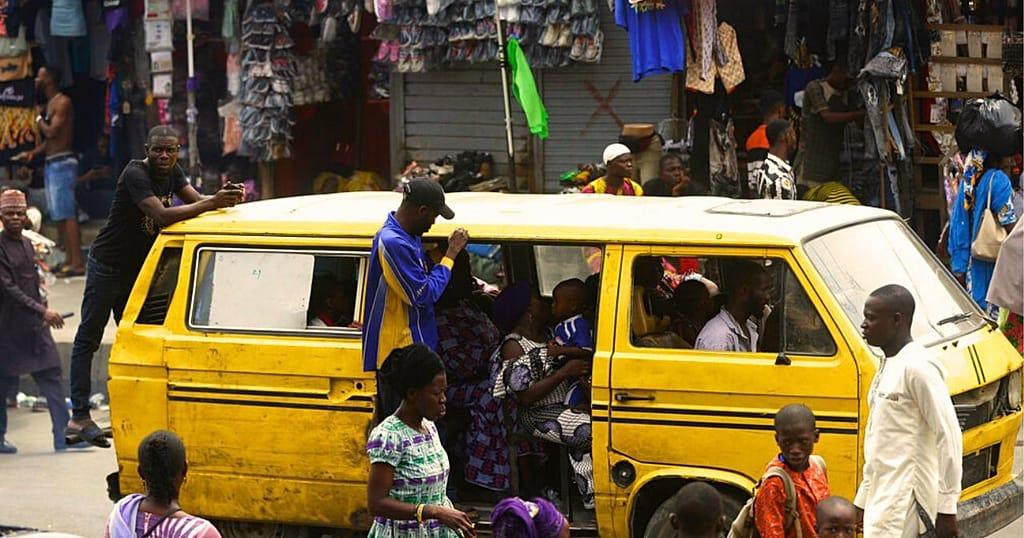
The city’s transportation system may also become less comfortable and potentially more dangerous under extreme heat. Commercial buses can be crowded and poorly ventilated, while commuters often wait outdoors in direct sunlight. Long traffic delays can extend exposure, particularly in vehicles without functioning air-conditioning. Transport operators and passengers may therefore need to pay closer attention to hydration and ventilation during the hottest hours.
Power demand is another likely consequence. As temperatures rise, more households and businesses switch on fans, air conditioners and refrigeration systems, increasing electricity consumption. If the grid cannot meet that demand, outages may become more disruptive, leading to heavier generator use and, in turn, more local air pollution. This feedback loop is one reason Lagos officials are concerned about both heat and air quality rather than treating them as separate issues.
Businesses may also face higher operating costs from cooling, fuel and reduced worker productivity. Outdoor markets can become particularly difficult environments for traders and customers, while perishable goods may spoil faster when refrigeration is unreliable. Heat therefore carries an economic cost that extends beyond healthcare.
The government’s recommendation that residents avoid open burning is especially relevant under dry conditions because vegetation and waste can ignite more easily. Fires can spread faster during dry spells, while smoke worsens already poor air quality. Waste management therefore becomes part of heat preparedness as well as general environmental policy.
Communities with limited infrastructure are likely to experience the greatest burden. Informal settlements may have overcrowded housing, poor ventilation and little tree cover, while residents often have fewer financial resources for cooling. Many people also work in informal outdoor jobs and cannot easily change schedules or remain indoors. These conditions make heat adaptation partly a question of inequality.
The state’s climate response will therefore need to consider where vulnerability is concentrated rather than relying only on general advice. Heat mapping, local health data and urban planning can help identify neighbourhoods where temperatures and social vulnerability overlap. Those areas may benefit most from tree planting, shaded public spaces, cooling centres or targeted health outreach.
Schools, markets and transport hubs could eventually serve as important cooling or hydration points during severe heat events if Lagos develops a more formal heat-action plan. Several cities around the world now use heat alert systems that trigger specific responses when temperatures or heat indexes cross predetermined thresholds. Such systems can guide emergency services, hospitals, employers and the public before conditions become dangerous.
For now, Lagos is emphasising preparedness and awareness. Wahab’s warning is an early signal that the state expects the coming dry-season period to carry greater heat risk than residents should treat as routine. The administration is urging people to change behaviour before emergency conditions develop and is coordinating with meteorological, health and emergency-management agencies to monitor the situation.
The advisory also gives residents a clearer understanding of why urban heat can feel increasingly severe even when Lagos has always experienced warm weather. Population growth, dense construction, reduced vegetation, air pollution and broader climate changes all interact with natural seasonal cycles. The result can be a city that cools less effectively and exposes more people to dangerous temperatures.
The strengthening El Niño pattern adds uncertainty because it can alter regional weather conditions in ways that are difficult to predict precisely at neighbourhood level. That is why the government is not claiming that every forecast will produce extreme heat but is instead warning that the probability of unusual conditions has increased enough to justify action.
The coming weeks will determine how severe the dry-season heat actually becomes. If temperatures remain within normal seasonal ranges, the advisory may still encourage healthier habits and better preparedness. If Lagos experiences prolonged extreme heat, the early warning could become important in reducing illness and preventing avoidable deaths.
Residents should therefore view the advisory as a precaution rather than a reason for panic. The practical response is straightforward: stay hydrated, reduce exposure during intense heat, wear appropriate clothing, protect vulnerable family members, avoid unnecessary outdoor exertion and seek medical help quickly when serious symptoms develop.
For Lagos authorities, however, the challenge is broader. The state must monitor conditions, communicate clearly and ensure that hospitals, schools, emergency services and public institutions are prepared if heat intensifies. It must also continue addressing the long-term urban conditions that make Lagos more vulnerable, from limited green space to dense development and poor air quality.
The latest warning is therefore both a seasonal health advisory and a reminder of a deeper climate challenge facing one of Africa’s largest cities. Lagos is entering a hotter and drier period with millions of people living in environments that can trap heat and magnify its effects. The government’s message is that residents should not wait for temperatures to become unbearable before taking precautions.
As the dry season advances, the state will be watching temperature patterns, dust levels and air quality while working with NiMet, health authorities and emergency agencies. For residents, the immediate priority is to recognise that extreme heat is not simply uncomfortable weather but a potential health emergency, particularly for children, older people, pregnant women, outdoor workers and those already living with respiratory or other medical conditions.
Lagos has dealt repeatedly with flooding, coastal erosion and other climate-related risks. The latest advisory makes clear that extreme heat is becoming another hazard the city must learn to manage more systematically. Whether this particular season produces a severe heat episode remains uncertain, but the government has decided the risk is serious enough to warn more than 20 million residents in advance rather than wait for hospitals and emergency services to begin seeing the consequences.