NAIRA MARLEY SAYS ‘FALSE NARRATIVES’ COST HIM FANS AS HE SEEKS MUSIC COMEBACK
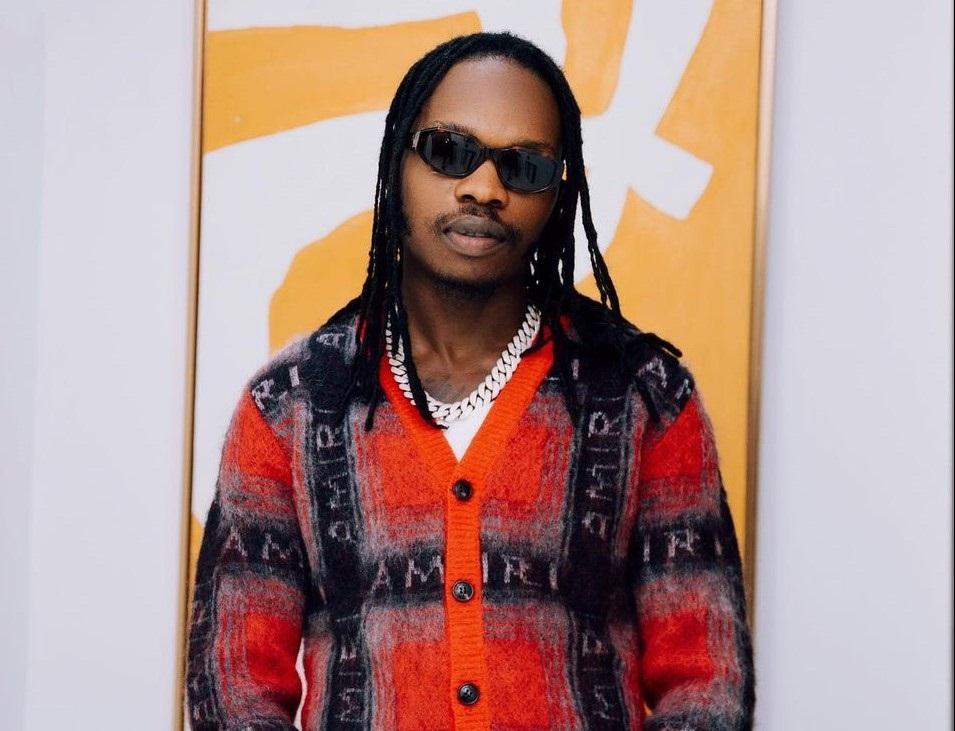
Naira Marley has said what he described as false narratives surrounding him after Mohbad’s death damaged his career and caused members of the Marlian fan base to stop supporting his music. Speaking during an Instagram Live session, the singer recalled his earlier dominance in Nigerian street-pop and claimed his influence once extended into fashion trends. His latest comments come ahead of the December 12 return of Marlians Fest in Lagos, which he is presenting as a major comeback event. In February 2025, a Lagos Magistrate’s Court struck Naira Marley’s name from proceedings linked directly to Mohbad’s death after prosecutors said there was insufficient evidence connecting him to it.
LAGOS, NIGERIA — Nigerian singer Azeez Fashola, popularly known as Naira Marley, has said what he described as false narratives surrounding him after the death of his former signee Mohbad damaged his career, alienated sections of his once fiercely loyal fan base and pushed him away from the position he previously occupied in Nigerian popular music. Speaking during an Instagram Live session, the Marlian Music founder reflected on his rise, the cultural influence of the “Marlian” movement and the sharp public backlash that followed the September 2023 death of Ilerioluwa Aloba, known professionally as Mohbad, arguing that many listeners stopped supporting his music after accepting allegations he says were untrue.
Naira Marley said he believed his position in the Nigerian music industry before the controversy had been stronger than many now remember, pointing to the popularity of his songs, sold-out performances and the influence his persona had on youth culture and fashion. “I was doing well in music. I was there before the likes of Asake and Seyi Vibez,” he said during the livestream, adding that his influence extended beyond music into street culture. He claimed that at the height of the Marlian movement he had even influenced young people across the country to stop wearing belts, a reference to the deliberately loose, rebellious aesthetic associated with his fan base during the peak of his popularity.
The singer’s comments amount to one of his clearest acknowledgements that his career suffered commercially and culturally after Mohbad’s death, even though the precise scale of that decline is difficult to quantify independently. Naira Marley had become one of the defining figures of Nigeria’s street-pop movement between 2019 and 2022, building a large audience around songs such as “Soapy,” “Tesumole,” “Coming” and earlier collaborations including “Issa Goal.” His fan community, widely known as “Marlians,” became a recognizable youth subculture, combining slang, fashion, online humor and an anti-establishment image that often attracted controversy but also gave the singer a level of cultural visibility that extended well beyond chart performance.
That image changed dramatically after Mohbad died on September 12, 2023, at the age of 27. The circumstances surrounding the singer’s death generated nationwide outrage, public demonstrations, vigils and calls for a full investigation, while earlier videos and complaints made by Mohbad resurfaced online and intensified scrutiny of his former relationship with Marlian Music. Naira Marley and music promoter Samson Eletu, popularly known as Sam Larry, became central figures in the public debate because Mohbad had previously alleged harassment and conflict involving people around the label. Both men denied responsibility for his death.
Naira Marley was later detained and questioned as part of the investigation after returning to Nigeria. He consistently maintained that he had no involvement in Mohbad’s death and said he had come back voluntarily to assist investigators. The public reaction, however, was immediate and severe. His music faced boycotts from some listeners, promoters distanced themselves from him, his social media presence became dominated by accusations and criticism, and the Marlian brand that had previously represented rebellious youth culture became associated in public debate with the unresolved circumstances surrounding Mohbad’s death.
In February 2025, a Lagos Magistrate’s Court struck Naira Marley’s name, along with Sam Larry, Primeboy and Mohbad’s former manager, from the criminal proceedings linked directly to Mohbad’s death after the Lagos State Directorate of Public Prosecutions said there was insufficient evidence to connect them to the death. The court accepted the DPP’s legal advice and ruled that the four had no case to answer in relation to causing Mohbad’s death, while prosecutors were directed to proceed against an auxiliary nurse, Feyisayo Ogedengbe, and another individual, Ayobami Sadiq, over alleged reckless and negligent acts.
That ruling is central to understanding Naira Marley’s current position. Public accusations linking him to Mohbad’s death were never established in court, and the legal process ultimately did not produce a criminal case against him for causing the singer’s death. At the same time, the court outcome did not erase the wider public controversy surrounding the deteriorated relationship between Mohbad and people associated with his former label, nor did it automatically restore Naira Marley’s reputation among listeners who had already formed strong opinions during the months of allegations, videos, protests and social media campaigning.
Naira Marley returned to that distinction during his recent livestream, saying that his supporters had turned away because of stories he regarded as false. He said some people who once identified strongly as Marlians stopped listening to his music and that attempts to explain his side of events were largely rejected. “I attempted to explain, but Nigeria did not listen,” he said, recalling a period when he was selling out venues across different parts of the country before the controversy disrupted his relationship with audiences.
His remarks reflect the unusual challenge of rebuilding a public career after a legal outcome that arrives long after public opinion has hardened. In high-profile cases, accusations can spread immediately across social media while investigations, legal advice and court decisions may take months or years. By the time formal proceedings establish that evidence is insufficient to prosecute someone, reputational damage may already have affected endorsements, bookings, collaborations, streaming habits and public willingness to engage with that person’s work.
Naira Marley has repeatedly argued that this is what happened to him. In August 2025, he released a lengthy video addressing Mohbad’s death and again denied bullying, killing or arranging harm against the singer. He said he had been outside Nigeria when Mohbad died and accused blogs and social media accounts of circulating selective videos and misleading claims. He also called for renewed investigation into the circumstances surrounding the death, arguing that attention had been directed at him despite what he described as a lack of evidence connecting him to Mohbad’s final hours.
The singer also used the latest livestream to revisit his relationship with Mohbad more personally. He said he genuinely cared about the late artist and claimed he had supported him financially, including buying him a car with his own money rather than using record-label funds. “I single-handedly bought him a car with my own hard-earned money, not the record label’s money,” he said. That claim represents Naira Marley’s account of their relationship and has not independently resolved the broader disagreements that existed between Mohbad and Marlian Music before the younger singer left the label in 2022.
Mohbad’s departure from Marlian Music had been preceded by public disputes over management, royalties and treatment. After leaving, he made several allegations that later gained renewed attention following his death. Naira Marley has disputed key parts of those claims and has said their disagreements were primarily business-related and had been resolved before Mohbad died. During a coroner’s inquest in March 2025, he testified virtually that he had not threatened or molested Mohbad and referred to police findings he said supported his position.
The public debate has nevertheless remained emotionally charged because Mohbad’s death became much larger than an ordinary entertainment dispute. It triggered broader conversations about artist-label relationships, bullying, exploitation, police accountability, the treatment of young musicians and the dangers of informal power structures within Nigeria’s entertainment industry. For many supporters of the late singer, Naira Marley became symbolic of those concerns even after the legal process did not link him criminally to Mohbad’s death.
That gap between legal findings and public perception is now at the center of Naira Marley’s attempt to restore his music career. His recent comments suggest he believes the damage was not caused by changing musical tastes alone but by listeners consciously withdrawing support because they accepted allegations surrounding Mohbad. He contrasted his earlier dominance with the current music landscape, noting that he had established himself before artists such as Asake and Seyi Vibez became major stars.
The comparison is significant because Nigerian street-pop has changed rapidly since Naira Marley’s peak period. Asake emerged as one of Afrobeats’ most commercially successful artists after 2022, blending Fuji, amapiano and street-pop influences, while Seyi Vibez built a powerful grassroots audience through emotionally charged music and a distinct street identity. Both artists occupy cultural territory that overlaps with the audience Naira Marley once dominated, though their music, branding and fan communities are distinct.
Naira Marley’s decline therefore cannot be assessed solely as the disappearance of one artist from public view. The Nigerian music industry continued evolving while he was largely absent from major mainstream activity, with new artists filling the cultural space and audiences shifting toward newer sounds. Even if the controversies surrounding him were the principal cause of his withdrawal, rebuilding his former position will require him to compete in a market that has changed substantially since the Marlian movement’s strongest period.
The singer appears ready to test whether a significant audience is willing to reconnect with him. Earlier in November, he announced the return of Marlians Fest, scheduled for December 12, 2026, at Eagles Club Field in Surulere, Lagos. The concert is being promoted as a comeback event and a reunion with supporters who remained loyal through what he described as the hardest years of his life. In announcing the show, Naira Marley said he had spent time away from the spotlight because he needed to heal and find peace after years of negative stories and controversy.
“The last couple of years have been the hardest of my life,” he wrote while announcing the festival, thanking fans who continued to support him and describing music as central to his identity. The event is expected to feature other performers, although a complete lineup has not yet been publicly confirmed. Its commercial performance and public reception are likely to provide one of the clearest indications yet of how much of the Marlian fan base remains willing to return.
The decision to revive Marlians Fest is also strategically important because Naira Marley’s strongest asset at his peak was not simply individual songs but community identity. “Marlians” functioned as a recognizable movement, with fans adopting slang, clothing styles and an attitude built around rejecting conventional expectations. Naira Marley’s latest comments about influencing people to abandon belts appear deliberately aimed at reminding listeners of how deeply that culture once penetrated Nigerian youth trends.
That influence was frequently controversial even before Mohbad’s death. Naira Marley’s lyrics, public comments and lifestyle often attracted criticism from parents, religious figures and public officials who argued that the Marlian identity glamorized risky behavior. He also faced legal trouble unrelated to Mohbad, including a long-running Economic and Financial Crimes Commission case involving allegations of cybercrime, which he denied. Those controversies formed part of the anti-establishment image that initially strengthened his appeal among some younger listeners.
The difference after Mohbad’s death was that the controversy shifted from provocative celebrity branding to allegations carrying far more serious moral and legal implications. Fans who had previously treated Naira Marley’s confrontational persona as entertainment began reassessing their support in the context of a young artist’s death and resurfaced allegations of harassment. The singer’s claim that “false narratives” destroyed his relationship with fans therefore sits within a much more complicated history than a conventional celebrity scandal.
It is also important to distinguish between what Naira Marley says happened to his career and what can be independently established. His assertion that false narratives caused fans to abandon him is his interpretation of a visible decline in public support. There is substantial evidence that he faced widespread backlash after Mohbad’s death, but measuring the precise role of individual allegations, changing music trends, reduced releases, cancelled opportunities and his own decision to withdraw from public activity is difficult.
Similarly, his statement that he had major influence over national fashion trends is partly a claim about cultural memory rather than a measurable statistic. The Marlian movement clearly had substantial youth visibility and was associated with distinctive fashion and behavior, but the idea that the entire country stopped wearing belts because of him is rhetorical rather than literal. The comment nevertheless captures how Naira Marley understands his former stature: not merely as a successful musician, but as a figure capable of shaping behavior outside music.
His current attempt to return also coincides with a broader reassessment of the Mohbad case following the 2025 legal decisions. The Yaba Magistrate’s Court’s ruling that there was insufficient evidence to prosecute Naira Marley over Mohbad’s death significantly altered his legal position, even though it did not settle every public debate surrounding their relationship. The coroner’s proceedings later focused particular attention on the medical treatment Mohbad received shortly before his death, with a nurse accused of administering medication without proper medical authorization.
Naira Marley has used those developments to argue that the public should reconsider how he was treated during the initial wave of accusations. His supporters contend that he suffered reputational punishment before investigators completed their work, while critics argue that concerns about Mohbad’s earlier allegations and his experiences within the industry remain legitimate even if Naira Marley was not criminally responsible for his death. Those two positions continue to coexist, which explains why his attempted comeback remains socially and commercially sensitive.
The singer’s latest remarks about Mohbad were notably emotional. He said it hurt that people might continue doubting his account because Mohbad is no longer alive to respond, while describing the late artist as a brother whose legacy should continue. That language appears designed to move away from the confrontational tone that often defined earlier public exchanges around the case, though it is unlikely to resolve divisions among fans who have interpreted the events differently.
His December concert will therefore represent more than another Lagos entertainment event. For Naira Marley, it is a test of whether legal exoneration from direct responsibility for Mohbad’s death and years of explanations can translate into renewed public acceptance. For his critics, it may reopen unresolved emotions surrounding one of the most controversial deaths in recent Nigerian music history.
The wider industry will also be watching. Nigerian music careers are increasingly shaped by online reputation, streaming communities and social media sentiment, meaning public perception can change commercial outcomes quickly even without formal legal findings. An artist who loses audience trust can struggle to regain bookings, endorsements and collaborations regardless of whether criminal allegations are ever established.
At the same time, public attitudes are rarely permanent. Nigerian entertainment has repeatedly seen artists survive major controversies, rebuild fan bases and return to prominence when new music reconnects with audiences. Naira Marley’s challenge is unusually difficult because the controversy surrounding him became tied to grief, justice campaigns and national debate rather than ordinary celebrity gossip, but the scale of his former audience means a comeback cannot be ruled out solely on the basis of past backlash.
For now, the singer is attempting to reclaim control of his own narrative by reminding audiences of the success he enjoyed before 2023 and presenting the past several years as a period in which allegations overwhelmed his music. His insistence that Nigerians did not listen when he tried to explain himself reflects both frustration with the public response and an effort to draw a line between accusations and the legal record that later emerged.
Whether fans accept that distinction remains uncertain. The courts did not find evidence sufficient to link him criminally to Mohbad’s death, but the emotional impact of the case continues to shape public memory and the way listeners view the Marlian brand. Naira Marley’s future in the industry will therefore depend not only on legal facts or explanations but also on whether his new music, performances and public conduct can rebuild the cultural connection he once had with an audience that made the Marlian movement one of Nigeria’s most visible youth phenomena.
As Marlians Fest approaches in December, Naira Marley appears to be positioning the event as both a return to music and a public attempt at reconciliation with supporters. His latest Instagram Live remarks show an artist looking back at a period when his influence seemed unquestioned and trying to understand how quickly that position disappeared. The next phase of his career will reveal whether the fan base he believes was lost to false narratives is prepared to return, or whether the transformation of Nigerian music and the lasting shadow of the Mohbad controversy have permanently changed his place in the industry.