NATASHA AKPOTI-UDUAGHAN DEFENDS CASH DISTRIBUTION TO CONSTITUENTS AS OBI-KWANKWASO MOVEMENT DEMANDS EFCC PROBE
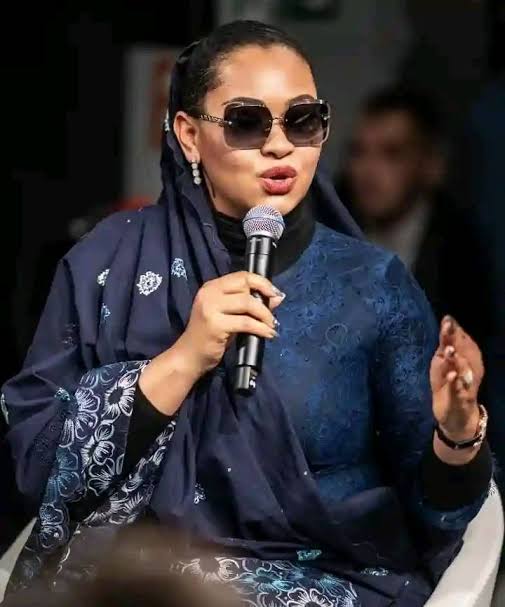
Senator Natasha Akpoti-Uduaghan has defended distributing cash grants of up to N5 million to Kogi Central constituents during an empowerment programme marking her third year in the Senate, saying previous beneficiaries sold equipment such as sewing machines. The Obi-Kwankwaso Movement has called on the EFCC to investigate the exercise as alleged vote-buying.
Senator Natasha Akpoti-Uduaghan, who represents Kogi Central Senatorial District, has defended her decision to distribute millions of naira in cash grants to constituents during an empowerment programme, stating that the approach reflected beneficiaries’ preference for direct financial assistance over equipment after previous recipients sold items such as sewing machines. The Obi-Kwankwaso Movement has responded by calling on the Economic and Financial Crimes Commission to investigate the exercise, describing it as an apparent case of open vote-buying and a serious affront to democratic principles. The senator’s clarification came on Wednesday through a statement issued by her media aide, Mike Idoko, after photographs and videos of the cash distribution circulated widely on social media and prompted criticism about the propriety of the handouts.
The programme formed part of activities marking her third anniversary in the 10th National Assembly and took place on November 2, 2026. Beneficiaries, drawn from small-scale enterprises in agriculture, tailoring, content creation, manufacturing and related sectors, reportedly received grants ranging from N100,000 to N5 million depending on the assessed needs of their businesses. Some received N2 million, N3 million or N4 million, while others were scheduled to receive up to N5 million through bank transfers. In the statement, Akpoti-Uduaghan explained that earlier empowerment efforts involving the distribution of sewing machines had shown that some recipients later sold the machines either to raise capital for their businesses or to meet other expenses such as rent. She said she therefore decided to provide cash to those who specifically requested support to start a business, add stock or address operational requirements. She noted that entrepreneurs face different realities and that direct financial assistance offered greater flexibility for purposes including stock replenishment, business expansion and the acquisition of production materials.
The public display of large sums of cash at the event generated immediate online reaction. Critics questioned whether the visible distribution of money constituted meaningful constituency service or sustainable support for local businesses, and some suggested the exercise risked being interpreted as an attempt to influence voters. Akpoti-Uduaghan’s statement addressed those concerns by framing the grants as a practical response to feedback from previous programmes rather than a departure from the goal of supporting small enterprises. She said the intervention was intended to strengthen local businesses and improve economic opportunities across the senatorial district. The statement did not provide a total figure for the amount distributed or the number of beneficiaries, nor did it detail the selection criteria or any formal application or verification process that accompanied the grants.
The Obi-Kwankwaso Movement issued its own statement on Wednesday through its Director-General, John Ughulu. The group strongly condemned the reported cash empowerment exercise, calling it an apparent case of open vote-buying. It urged the EFCC to investigate the circumstances surrounding the programme and, where evidence of wrongdoing is established, to prosecute those responsible in accordance with the law. The movement further stated that Nigeria deserves leaders who respect democratic values, uphold accountability and earn public confidence through competence, integrity and service rather than financial inducements. It also indicated that it would mobilise political resources to oppose the senator’s return to the National Assembly. The statement did not present specific evidence beyond the public distribution of cash and the accompanying social-media images and videos; it treated the visible nature of the exercise itself as grounds for scrutiny by the anti-corruption agency.
Akpoti-Uduaghan has been a prominent and at times polarising figure in the 10th National Assembly. Her tenure has included high-profile confrontations within the Senate and sustained public attention. The cash-distribution event and the subsequent call for an investigation occur against that background and in a period when political actors are already positioning themselves ahead of future electoral cycles. Nigerian law regulates the use of money to influence voters, particularly in the periods immediately preceding elections, but the legal characterisation of constituency empowerment programmes that involve cash grants is not always straightforward. Such programmes are common among legislators, yet the public display of large cash sums and the absence of detailed transparency around selection and disbursement frequently attract criticism and occasional calls for official inquiry. Whether the EFCC opens a formal investigation will depend on its assessment of the available information and any further complaints or materials submitted to it.
What is confirmed is that Akpoti-Uduaghan organised a cash-grant programme on November 2 to mark her third year in the Senate, that beneficiaries received amounts between N100,000 and N5 million, and that she has publicly stated the decision was based on feedback that some previous equipment recipients sold the items. What the Obi-Kwankwaso Movement has alleged is that the exercise constitutes open vote-buying warranting an EFCC probe. The senator has not been charged with any offence, and no investigation has been announced. The two positions now stand as a defence rooted in constituent preference and a demand for anti-corruption scrutiny rooted in concerns about electoral inducement. The resolution of the matter will turn on whether any formal investigation is opened and, if so, on the evidence that emerges regarding the purpose, timing, selection of recipients and source of the funds.