
NIGERIA WINS MAJOR INTERNATIONAL ARBITRATION AGAINST SUNRISE POWER OVER MAMBILLA PROJECT
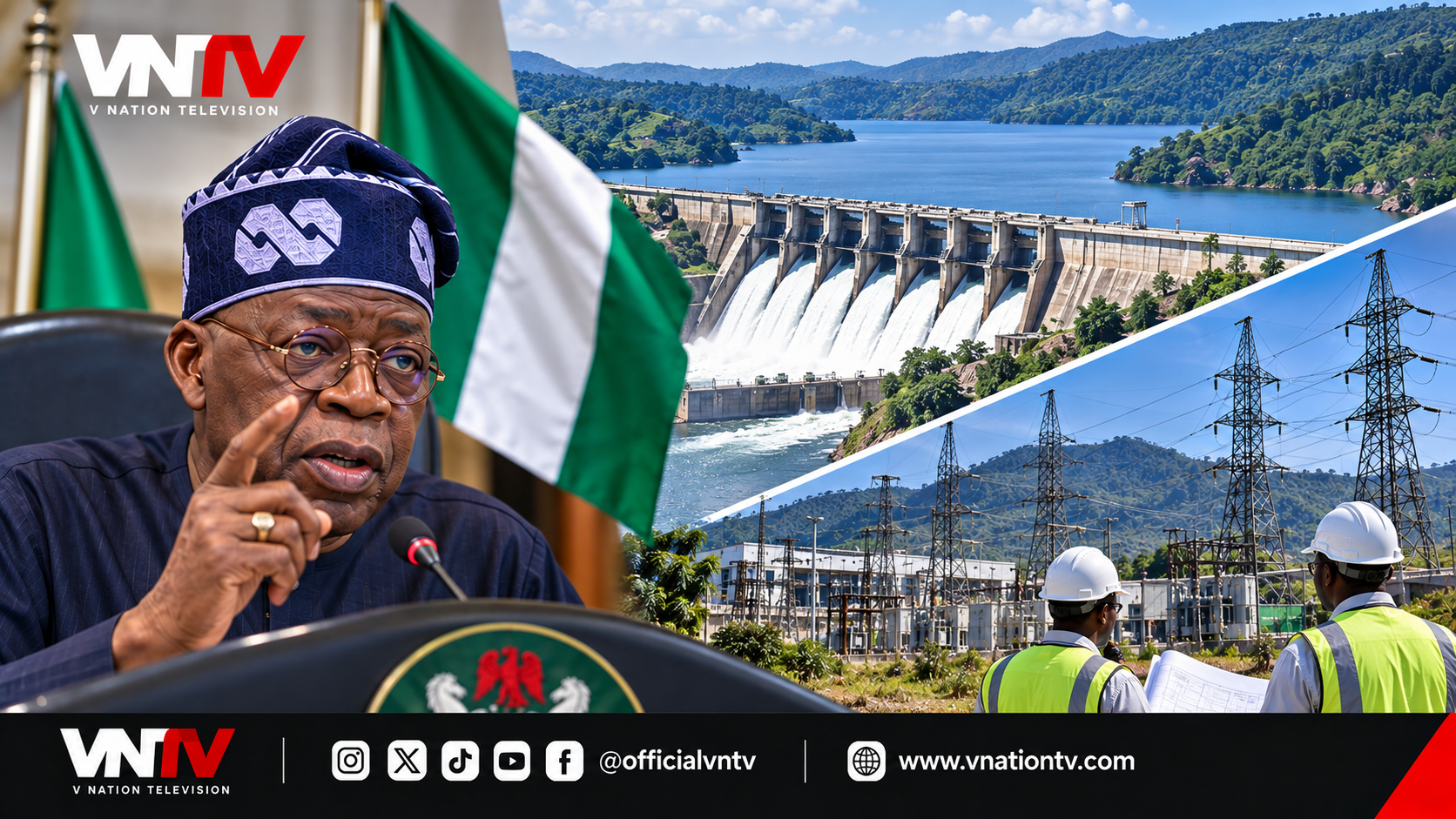
Nigeria has won a major international arbitration case against Sunrise Power and Transmission Company Limited over the long delayed Mambilla Hydroelectric Power Project. An ICC tribunal in Paris rejected Sunrise's claims, while the company says it is reviewing the decision and considering its legal options.
Nigeria has secured a major victory in an international arbitration dispute with Sunrise Power and Transmission Company Limited over the long delayed Mambilla Hydroelectric Power Project in Taraba State.
An international arbitration tribunal operating under the International Chamber of Commerce in Paris issued an award in Nigeria's favor, rejecting claims brought by Sunrise Power.
The decision represents a significant development in a legal dispute that has lasted for years and exposed Nigeria to substantial potential financial liability.
President Bola Tinubu welcomed the ruling, describing it as an important victory for the country and saying it removes a major legal obstacle surrounding the Mambilla project.
SUNRISE SOUGHT HUNDREDS OF MILLIONS FROM NIGERIA
According to the Presidency, Sunrise demanded $680 million as a settlement sum and interest connected to another arbitration in which the company is claiming more than $2.7 billion in compensation and interest.
The disputes relate to agreements surrounding the development of the Mambilla Hydroelectric Power Project.
The latest ruling therefore shields Nigeria from the financial liability arising from the claims rejected by the tribunal.
Reports on details of the award also indicate that the tribunal rejected Sunrise's claim that Nigeria had breached contractual obligations under a settlement agreement and an addendum.
SUNRISE ORDERED TO PAY PART OF NIGERIAS LEGAL COSTS
The tribunal also ordered Sunrise Power and its promoter, Leno Adesanya, to reimburse 75 percent of Nigeria's legal fees and expenses.
Nigeria's legal costs were reported at approximately $11.82 million.
The ruling also found that Adesanya was bound by the arbitration agreement and that the tribunal had jurisdiction over Nigeria's counterclaim involving him and Sunrise.
DISPUTE DATES BACK YEARS
The legal battle stems from agreements connected to the proposed development of the Mambilla Hydroelectric Power Project in Taraba State.
Sunrise commenced arbitration proceedings against Nigeria in 2017 over what it alleged was a breach of an earlier agreement concerning the project.
The Federal Government disputed the company's claims.
A settlement arrangement was later reached in 2020, but disagreements over the implementation of that agreement led to further arbitration proceedings.
The resulting legal disputes became a major source of uncertainty surrounding the proposed power project.
TINUBU WELCOMES RULING
President Tinubu praised Attorney General of the Federation and Minister of Justice Lateef Fagbemi and officials of the Federal Ministry of Justice for their handling of the case.
He also commended Nigeria's external legal team led by Elizabeth Oger Gross and Tolu Obamuroh of Paul Hastings.
The President said the ruling demonstrates the government's determination to protect Nigeria's interests in major international disputes.
Tinubu also said the decision removes what his administration considers the biggest legal obstacle that has prevented the Mambilla project from moving forward.
SUNRISE CONSIDERS NEXT LEGAL STEPS
Sunrise Power promoter Leno Adesanya has indicated that the dispute may not be completely over.
Adesanya said his legal team was reviewing the tribunal's decision and would determine what legal steps remain available after studying the award.
He said it would be premature to reach final conclusions about the implications of the ruling before that review is completed.
ATTENTION RETURNS TO MAMBILLA PROJECT
The Mambilla project has been proposed for decades as a major addition to Nigeria's electricity generation infrastructure but has faced repeated legal, financial and implementation delays.
The government's position is that the latest arbitration ruling removes a major legal obstacle to advancing the project.
However, the ruling itself does not guarantee immediate construction or completion.
Financing, contracting, engineering and implementation arrangements will still determine whether the project can finally move forward after years of delays.
For Nigeria, the immediate significance of the ruling is the rejection of substantial financial claims connected to one of the country's longest running infrastructure disputes.