

Police arrest 46 over Peter Obi convoy blockade in Benue as condemnation grows
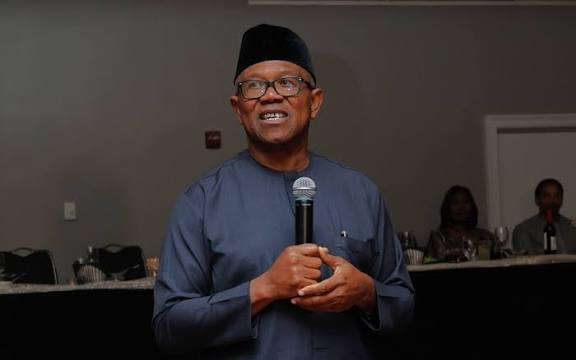
Benue State Police have arrested 46 people following the obstruction of NDC presidential candidate Peter Obi's convoy during his visit to the state. Police say officers avoided using force to prevent the situation from escalating and investigations are continuing. The incident has drawn condemnation from political groups and rights organisations demanding accountability.
MAKURDI — Police in Benue State have arrested 46 people in connection with the obstruction of the convoy of Nigeria Democratic Congress presidential candidate Peter Obi, as calls grow for a wider investigation into an incident that has heightened political tensions ahead of Nigeria's 2027 general elections.
Benue State Commissioner of Police Cletus Nwadiogbu confirmed the arrests on Wednesday, a day after a group of youths blocked Obi's movement along the Makurdi Gboko road while he was travelling towards Yelewata.
Obi had planned to visit families and communities affected by the deadly June 2025 attack in Yelewata.
Police said they had been informed of Obi's visit at about 5.30pm on Monday and subsequently deployed security personnel, including three police escort vehicles led by an assistant commissioner of police.
The convoy, however, encountered a group of people who obstructed its movement, creating a tense situation that authorities said could have escalated into violence.
“Unfortunately, Mr Obi's movement was obstructed by a group of persons, creating tension and a situation that could have degenerated into violence,” Nwadiogbu said.
The police commissioner said officers at the scene made a tactical decision not to use force against the group because of the risk of deaths, injuries and destruction of property.
Obi was subsequently escorted safely back to the airport.
Police said the decision to avoid an immediate confrontation should not be interpreted as inaction.
The command launched intelligence operations following the incident, leading to the arrest of 46 people.
Investigators are also attempting to identify and apprehend other individuals believed to have been involved. citeturn0search0turn0search24
Dispute over responsibility for blockade
Questions over who organised the blockade have become a major point of contention.
Obi alleged that youths involved in the obstruction had been mobilised by an aide to the Benue State Government.
The Benue government has denied involvement.
In a statement following the incident, the government said it had no prior knowledge of Obi's visit and rejected attempts to link Governor Hyacinth Alia or his administration to the obstruction.
Police have not publicly established that the Benue State Government or any of its officials organised or sponsored the group.
The investigation is continuing. citeturn0search2turn0search16
Makinde campaign condemns incident
The campaign organisation of Allied People's Movement presidential candidate Seyi Makinde described the obstruction as disturbing and unacceptable.
Makinde's team argued that political candidates and other Nigerians have a constitutional right to move freely across the country while conducting lawful activities.
It cited constitutional protections covering freedom of movement, assembly and association and called for a comprehensive police investigation into the incident.
The campaign also rejected arguments that Obi needed permission from the state government before entering Benue for a lawful visit.
Benue APC faction criticises blockade
A faction of the All Progressives Congress in Benue State also condemned the incident.
The group called on Governor Alia to apologise over what it described as an episode inconsistent with the political culture it wanted associated with the state and the party.
“This is not Benue. This is not our culture. And this is not the APC,” the faction said in its statement.
It argued that political disagreements should not result in intimidation or violence against opponents.
The group also noted that Obi had intended to visit people affected by the Yelewata killings.
Rights groups demand investigation
The Socio Economic Rights and Accountability Project has called for Inspector General of Police Olatunji Disu to take over the investigation.
SERAP said authorities should determine who organised the blockade and establish whether any political actors, public officials or other individuals were involved in sponsoring or facilitating it.
The organisation warned that failure to investigate incidents of political intimidation could undermine political participation and public confidence ahead of the 2027 elections.
Amnesty International Nigeria has similarly called for what it described as an impartial, independent and timely investigation.
The organisation said political candidates and citizens should be able to exercise their rights to movement, peaceful assembly and political participation without intimidation or violence.
Other political groups have also called for greater protection for Obi and other candidates as political activity intensifies ahead of the election.
Police investigation continues
Police have not publicly announced charges against the 46 people arrested.
Authorities say investigations are continuing to determine the roles allegedly played by individuals involved in the blockade and identify others who may have participated.
The police account also confirms that security arrangements had been made for Obi before his arrival, despite the subsequent dispute between his team and the state government over notification of the visit.
The incident has consequently shifted from a confrontation on a Benue highway into a wider debate over political tolerance and the ability of candidates to campaign and travel freely ahead of the 2027 elections.
For investigators, the immediate task is establishing who organised the blockade and whether anyone beyond those present at the scene directed or financed it.
No such responsibility has yet been established by police.
With 46 people now arrested and further suspects being sought, the Benue Police Command says its investigation remains active.