POPE LEO’S DOCTORS SAY CANCER HAS NOT SPREAD AND NO FURTHER TREATMENT IS REQUIRED AFTER LUNG SURGERY
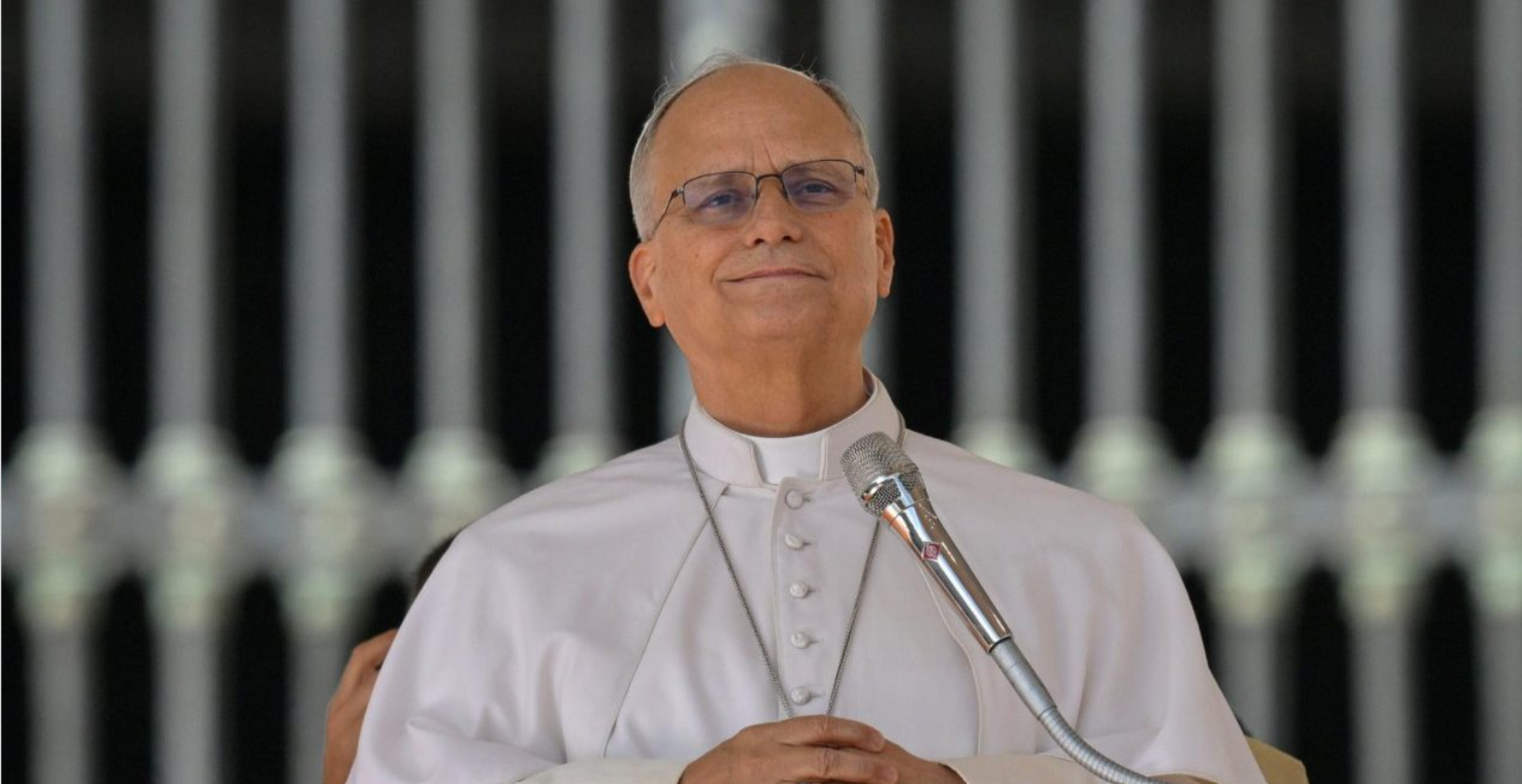
Pope Leo XIV will not require additional cancer therapy after final tests showed that the lung adenocarcinoma removed during his October 13 operation remained localised. Doctors removed the lower lobe of the 71-year-old pontiff’s right lung and subsequently conducted histological and molecular examinations of the tissue. The Vatican says an oncology assessment concluded that no further treatment is necessary. Leo was discharged from hospital on October 17 and returned to St Peter’s Square for his weekly General Audience on October 21.
Pope Leo XIV will not require chemotherapy, radiation therapy or other additional cancer treatment following surgery to remove part of his right lung after final laboratory examinations confirmed that the disease remained localised, according to a new medical statement released by the Vatican on Wednesday, October 21. The announcement provides the clearest assessment yet of the 71-year-old pontiff’s condition following his October 13 operation at Rome’s Agostino Gemelli University Hospital and indicates that doctors believe the malignant tumour was successfully treated surgically without evidence that it had spread beyond the area removed.
The Pope underwent surgery on October 13 in which doctors removed the lower lobe of his right lung after a small abnormal growth had been discovered during medical examinations. Subsequent testing established that the tumour was lung adenocarcinoma, the most common type of lung cancer. Until the final pathology results became available, however, doctors had not publicly confirmed whether cancer cells had spread beyond the original tumour or whether Leo would need chemotherapy, radiation therapy or another form of treatment following surgery.
That uncertainty was substantially resolved on Wednesday evening when the Vatican released the results of final histopathological examinations and molecular biology testing carried out on tissue removed during the operation. Pope Leo’s personal physician Dr Luigi Carbone and his lead surgeon Professor Stefano Margaritora said the testing confirmed the original diagnosis of lung adenocarcinoma but also established that the disease was localised. Following a subsequent oncology assessment, the medical team concluded that no additional therapy was necessary.
The conclusion is significant because the need for additional treatment following lung cancer surgery depends heavily on the stage of the disease, whether cancer has reached lymph nodes or other tissues and the biological characteristics of the tumour. In Pope Leo’s case, the Vatican has not published a detailed cancer staging report or complete pathology document, but the doctors’ statement that the disease remained localised and requires no further therapy indicates that the postoperative findings were sufficiently favourable for surgery alone to be considered adequate treatment at this stage.
The Vatican announcement should nevertheless be understood precisely. Doctors have said that no further treatment is currently required following the operation, not that Pope Leo will never require medical surveillance again. Patients treated surgically for lung cancer ordinarily undergo continued follow-up examinations to monitor recovery and watch for any future signs of recurrence. The Holy See has not disclosed details of Leo’s longer-term monitoring schedule, and his medical team has not publicly provided a prognosis beyond confirming the favourable postoperative assessment.
The latest medical bulletin comes only eight days after the surgery and follows a recovery that Vatican officials and the Pope’s doctors have repeatedly described as proceeding without major complications. Leo was discharged from Gemelli Hospital on Saturday, October 17, several days earlier than the approximately week-long hospital stay initially anticipated, and returned to the Vatican to continue recuperating. His medical team said his blood tests were normal, his heart function was satisfactory and the operated lung was re-expanding according to the expected timetable.
Professor Margaritora, who directs thoracic surgery at Gemelli Hospital, said in an interview published by Vatican News that the operation itself was a standard procedure for a tumour of the type and location found in the Pope. In such cases, surgeons remove the affected lobe of the lung rather than attempting simply to cut out a small portion around the tumour. For Pope Leo, this meant removing the entire lower lobe of his right lung while preserving the remaining lobes and overall lung function.
The surgeon said the operation was completed without complications and that the Pope had responded unusually well to postoperative physiotherapy and mobilisation. According to Margaritora, Leo began walking soon after surgery, followed instructions carefully and required relatively little assistance as his strength returned. Doctors have estimated that full physical recovery from the procedure should take roughly two weeks, although individual recovery can vary and the demands placed on a serving pope are considerably different from those faced by an ordinary patient.
Wednesday also marked an important public milestone in that recovery. Pope Leo returned to St Peter’s Square for his first weekly General Audience since the operation, riding through the crowd in the open-air popemobile before addressing pilgrims. Reuters reported that he spoke for approximately 50 minutes and delivered greetings in several languages, providing the clearest public indication so far that he has been able to resume significant portions of his normal schedule.
The pontiff thanked Catholics for the prayers and messages of support he received during his hospitalisation and recovery. His appearance came before the Vatican released the final pathology assessment later in the day, meaning the positive medical announcement followed a public event in which Leo had already demonstrated that he was gradually returning to work.
The sequence represents a rapid turnaround from the concern that followed the initial cancer announcement. When the Vatican first disclosed that Leo had undergone surgery and that the removed tumour was malignant, officials said additional laboratory testing would be required before doctors could determine the exact extent of the disease. Because cancer staging is critical in deciding whether surgery is sufficient, the possibility of chemotherapy or other treatment remained open.
Final testing has now provided the medical team with the information needed to rule out additional immediate therapy. Reuters reported that the histological examinations and molecular biology analyses confirmed that the disease had remained localised, leading Carbone and Margaritora to conclude that further treatment was unnecessary.
The news is particularly important because lung cancer remains one of the most serious forms of cancer worldwide, with outcomes varying dramatically depending on how early the disease is discovered. Localised tumours that can be completely removed surgically generally present a very different clinical situation from cancers that have spread to lymph nodes or distant organs. The Vatican has not provided enough detailed information to independently classify Pope Leo’s exact cancer stage, so outside observers should avoid assigning a stage that his own doctors have not publicly announced.
The tumour was discovered accidentally rather than because the Pope had developed respiratory symptoms. Margaritora previously explained that the small abnormality appeared in the lower portion of Leo’s lung during routine imaging performed for another reason. Because abdominal imaging can sometimes capture the lower edges of the lungs, doctors were able to see the lesion even though the Pope was not experiencing breathing problems or other obvious symptoms associated with lung cancer.
The surgeon has used the case to emphasise the importance of early detection, noting that many lung cancers can grow without producing noticeable symptoms during their early stages. In Leo’s case, the incidental discovery allowed doctors to investigate the lesion while it was apparently still confined to a surgically treatable area.
The Vatican has not publicly disclosed whether Pope Leo has ever smoked, nor has it identified a particular cause for the tumour. Lung adenocarcinoma can occur in smokers and non-smokers, and attempting to determine the cause without the Pope’s medical history would be speculative. The Holy See has instead focused its public statements on the diagnosis, surgery, recovery and results of the final pathology testing.
Leo’s age and position have made the health update particularly significant to the global Catholic Church. At 71, he is younger than several recent popes were during major health crises, but the cancer diagnosis was nevertheless the first major medical event of his pontificate. He was elected pope in May 2025 and has now been in office for approximately 17 months.
The Vatican has been considerably more transparent about Leo’s medical condition than was customary during some earlier papacies. Officials announced his hospital admission in advance, disclosed the removal of the lower right lung lobe, identified the cancer as adenocarcinoma and have subsequently provided updates on laboratory tests and recovery. That level of detail has allowed Catholics and medical observers to follow his condition without relying entirely on speculation.
The disclosure also contrasts with periods of Vatican history when papal illnesses were treated as closely guarded matters. Modern communications and the international responsibilities of the pontiff have increased expectations that the Holy See provide credible information when a pope’s health could affect travel, public appearances or governance.
The question now shifts from cancer treatment to recovery and workload. Leo has resumed some public duties, but doctors have cautioned that recovering from lung surgery still requires time even when the underlying cancer has been successfully removed. The physical demands of long ceremonies, travel, flights, changing time zones and large public events remain relevant as his body continues healing.
That issue is especially important because Pope Leo is scheduled to travel to Uruguay, Argentina and Peru from November 6 to November 17. The planned 12-day journey would be one of his most demanding international trips and would begin only a little more than three weeks after the operation.
Professor Margaritora said last week that he saw no clinical reason preventing the Pope from making the South American journey if his recovery continued normally. He estimated that Leo could be physically recovered within approximately two weeks after surgery and said long-distance air travel several weeks later was not in itself medically prohibited.
The Vatican has nevertheless been more cautious about the final schedule. Secretary of State Cardinal Pietro Parolin indicated that aspects of the Pope’s programme might need to be moderated to avoid excessive strain. That does not mean the trip has been cancelled, and the Vatican had not announced a cancellation as of Wednesday evening. It instead reflects the difference between being medically capable of travel and maintaining the extremely demanding pace normally associated with a papal visit.
The South American trip carries particular importance for Leo because of his extensive personal history in Peru. Before becoming pope, the American-born Robert Francis Prevost spent many years serving in Peru and later became bishop of Chiclayo. His connection to Latin America was an important part of his pastoral background before his election to lead the Catholic Church.
A return to Peru as pope would therefore carry considerable personal and symbolic significance, but doctors and Vatican officials are expected to prioritise his recovery over maintaining every planned event if adjustments become necessary. The positive oncology assessment makes the trip more medically plausible, but surgical recovery remains a separate consideration.
Leo is also expected to resume other activities gradually at the Vatican. Before surgery, his schedule regularly included general audiences, meetings with visiting bishops and government leaders, liturgical celebrations and diplomatic engagements. Some of those responsibilities can be conducted privately or shortened while he recovers, providing flexibility that does not exist during major international trips.
The Pope continued performing limited official work even while hospitalised. Vatican reporting indicated that he celebrated Mass, reviewed documents and held telephone conversations during his stay at Gemelli. Those activities were kept relatively limited while medical staff focused on early postoperative recovery.
The October 21 General Audience was therefore the clearest transition back toward his normal public role. Photographs from St Peter’s Square showed Leo greeting pilgrims from the popemobile and later addressing the crowd from the stage. He thanked those who had supported him through prayer and said he was grateful to God as he resumed his ministry.
His medical team’s announcement later in the day substantially reduces one of the biggest uncertainties facing the Vatican since the operation. If additional cancer therapy had been required, chemotherapy or radiation could have affected the Pope’s energy, immune system and schedule for months. The conclusion that no further treatment is currently necessary means the immediate focus can remain on recovering from surgery rather than preparing for another intensive phase of cancer treatment.
It is still inappropriate, however, to describe Leo as permanently cured based solely on the information released Wednesday. In oncology, patients can remain under surveillance after apparently complete removal of a localised tumour because recurrence remains a possibility that can only be assessed over time. The Vatican’s statement specifically addresses the present need for therapy following the final postoperative analysis.
The distinction between treatment and monitoring is important in medical reporting. Saying that no additional treatment is needed means doctors do not believe chemotherapy, radiation or another anticancer therapy is presently justified. It does not mean future medical examinations are unnecessary or that doctors can guarantee the disease will never return.
The Pope’s doctors have not provided detailed information about the tumour’s size, genetic characteristics, lymph-node sampling or margins around the removed tissue beyond saying the disease was localised. Those details are commonly used by oncologists in determining treatment and prognosis, but they remain private unless the Vatican chooses to release them.
What is confirmed is that final histopathology and molecular testing supported the diagnosis of pulmonary adenocarcinoma and showed no evidence requiring additional therapy. The Vatican’s decision to announce that conclusion publicly appears designed to answer the most pressing question raised after surgery: whether Leo would need months of cancer treatment following removal of part of his lung.
The medical team’s confidence also helps explain his relatively quick return to public activity. Leo left hospital on October 17 and held his General Audience four days later, although he has remained at the Vatican instead of travelling to his usual residence at Castel Gandolfo while continuing his recovery.
His doctors have described his overall physical condition as strong. Margaritora said the Pope approached rehabilitation with determination and complied closely with physiotherapy, diet and mobilisation instructions. That does not remove the physical effects of losing a lung lobe, but healthy patients can often compensate effectively using the remaining lung tissue.
The lower lobe of the right lung is one of five lobes across the two lungs. The right lung normally contains three lobes and the left lung two, meaning Leo retains two right-lung lobes and his entire left lung following the operation. The effect on breathing capacity varies between individuals and depends on overall cardiovascular and respiratory health.
Vatican officials have not reported that Leo requires supplemental oxygen or has experienced significant breathing difficulties since leaving hospital. At Wednesday’s audience, he was able to deliver an extended address publicly, although such appearances cannot by themselves substitute for medical assessment of his recovery.
The October 21 announcement remains the authoritative assessment from the doctors directly responsible for his treatment. Dr Luigi Carbone serves as the Pope’s personal physician, while Professor Stefano Margaritora led the surgical team at Gemelli. Their conclusion followed review of the final tissue analysis rather than relying simply on how well Leo appeared after surgery.
That distinction makes Wednesday’s statement substantially more important than previous updates describing his postoperative condition as satisfactory. Earlier reports established that he was recovering from the operation. The latest one addresses the cancer itself and indicates that it had not spread in a way requiring further treatment.
For the Vatican and the world’s approximately 1.4 billion Catholics, the development removes some immediate uncertainty surrounding the pontificate. A prolonged course of cancer therapy could have required significant changes to travel, audiences and major Church events. The current medical plan instead centres on physical recovery and continued observation.
The Pope is expected to remain under medical supervision as he resumes duties, and his schedule can still be adjusted depending on fatigue and postoperative recovery. Vatican officials have indicated that flexibility may be necessary even though his doctors are satisfied with the surgical outcome.
The announcement is also likely to renew discussion about preventive health checks, particularly because Leo reportedly had no symptoms before the lesion was detected. His surgeon has publicly argued that lung cancers discovered accidentally or through screening can sometimes be identified early enough for surgery to offer the best opportunity for successful treatment.
Medical experts not involved in the Pope’s treatment had cautioned before the final results that his next steps would depend largely on whether there was lymph-node involvement or evidence of spread. The Vatican’s confirmation that the disease remained localised answers that concern in the most favourable direction currently available from his doctors.
The Pope’s health will nevertheless remain closely watched in the coming weeks because his upcoming schedule includes physically demanding events. His planned Latin American journey includes multiple countries and potentially high-altitude locations, while Church responsibilities in Rome will continue before and after the trip.
Vatican officials are likely to make decisions based on how quickly his stamina returns rather than the cancer diagnosis alone. Surgical healing, respiratory recovery and fatigue can continue after doctors determine that no additional oncology treatment is necessary.
For now, the medical news is considerably more encouraging than the uncertainty that followed the operation on October 13. Pope Leo’s tumour has been confirmed as lung adenocarcinoma, but final examinations indicate the cancer remained localised and the oncology team has concluded that further cancer therapy is not required.
The Pope has already left hospital, returned to the Vatican and resumed his weekly audience in St Peter’s Square. His doctors continue to oversee his recovery, while the Vatican is assessing the pace at which his full schedule can resume.
The latest update therefore marks a major turning point in Pope Leo XIV’s first serious health crisis since becoming pontiff. Rather than beginning chemotherapy or radiation following lung surgery, Leo will continue recovering from the removal of the lower lobe of his right lung under medical observation. Final pathology has given his doctors enough confidence to say that the cancer had not spread and that surgery alone was sufficient for his immediate treatment, allowing the focus to turn from additional cancer therapy toward rehabilitation, surveillance and a gradual return to the full responsibilities of his papacy.