
TRUMP ADMINISTRATION BEGINS 47 MILE BORDER WALL PROJECT IN BIG BEND TEXAS
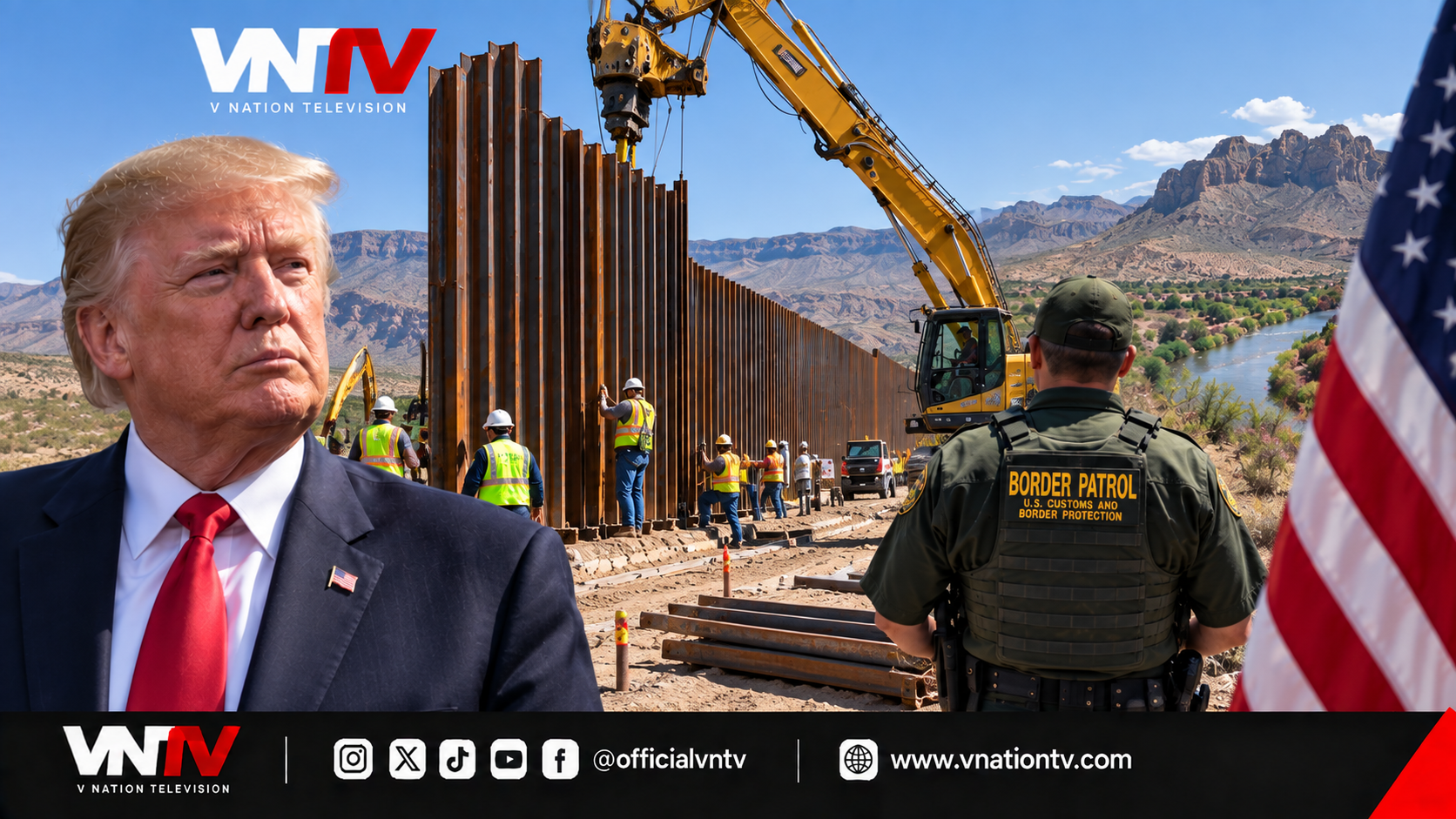
The Trump administration has begun installing border wall panels along a 47 mile section of the Big Bend region in West Texas. The project is part of a wider $46 billion border infrastructure programmed and faces opposition from landowners, environmental groups and Native American communities.
The Trump administration has begun construction of a major new section of border wall in the Big Bend region of West Texas, bringing large scale barrier construction to one of the most remote and environmentally sensitive stretches of the United States border with Mexico.
US Customs and Border Protection confirmed that border wall panel installation is underway along a 47 mile section of Hudspeth County known as Big Bend 1.
The project represents the first major wall construction in the wider Big Bend region, where federal plans have faced opposition from landowners, environmental organizations, ranchers, business owners and Native American communities.
The construction forms part of the Trump administration's broader $46 billion effort to expand physical barriers, roads and surveillance technology along the US Mexico border.
30 FOOT WALL PANELS BEING INSTALLED
CBP confirmed that crews have started installing wall panels along the Big Bend 1 section.
Images published through the agency's border construction updates show cranes lifting 30 foot steel wall panels into position.
The Big Bend region stretches for roughly 500 miles along the border and has been divided into five major project areas.
The administration plans to use a combination of steel bollard walls, vehicle barriers, patrol roads and surveillance technology across different sections of the southern border.
CBP says construction across the border has accelerated significantly.
The agency says it is now building an average of about 12 miles of barriers each week and has completed approximately 200 miles of new barriers since President Donald Trump returned to office.
BIG BEND HAD LARGELY AVOIDED MAJOR WALL CONSTRUCTION
Big Bend is significantly different from many other sections of the US Mexico border.
Its rugged mountains, desert terrain, canyons and sections of the Rio Grande have historically limited the amount of physical border infrastructure constructed in the region.
The area also contains Big Bend National Park and Big Bend Ranch State Park and supports wildlife habitats and communities that depend on access to the river.
Historically, Big Bend has also recorded relatively low numbers of illegal border crossings compared with other parts of the southern border.
Opponents have therefore questioned whether large scale physical barriers are necessary in the region.
The Trump administration maintains that additional infrastructure is needed to strengthen border security and deter illegal crossings and smuggling.
NATIONAL PARK PROJECT CURRENTLY PAUSED
The 47 mile project where wall panels are now being installed is separate from proposed border infrastructure inside Big Bend National Park.
Construction related activity inside the national park has been temporarily paused as federal authorities engage with opponents and legal challenges continue.
The administration has faced particularly strong opposition over potential construction inside the protected park.
Big Bend National Park attracts visitors from around the world and contains environmentally sensitive desert and river ecosystems.
Plans previously made public for the park have included roads, surveillance equipment and vehicle barriers.
LANDOWNERS TAKE GOVERNMENT TO COURT
Opposition extends beyond the national park.
A group of West Texas landowners, ranchers and business owners, together with the nonprofit Conserve Big Bend, filed a lawsuit this week seeking to stop the administration's border infrastructure plans across the wider region.
The plaintiffs argue that the federal government has improperly used its authority to waive environmental and cultural protection laws to accelerate construction.
Some private landowners have refused to allow federal officials or contractors onto their properties to conduct surveys.
Residents and activists have also attended county meetings urging local officials not to cooperate with contractors involved in the projects.
ENVIRONMENTAL AND CULTURAL CONCERNS
Environmental organizations warn that extensive border infrastructure could disrupt wildlife migration and alter sensitive habitats.
Some opponents have also raised concerns that barriers and new roads could contribute to flooding in certain areas.
Native American groups have warned that construction could disturb sacred and culturally important sites and interfere with religious practices.
Landowners along the Rio Grande have raised separate concerns about access to the river for livestock and agricultural activities.
These concerns have become central to legal and political opposition to the project.
ADMINISTRATION ACCELERATES BORDER CONSTRUCTION
The Big Bend construction comes as the Trump administration rapidly expands border infrastructure elsewhere.
CBP says the current construction pace is approximately double the rate previously cited by Commissioner Rodney Scott earlier this year.
The administration's broader strategy is aimed at creating a combination of physical and technological barriers across much of the roughly 2,000 mile southern border.
Supporters of the administration's approach argue that expanded barriers can strengthen immigration enforcement and make it more difficult for smugglers and migrants to cross undetected.
Opponents argue that some projects are unnecessary in remote areas and could cause environmental, cultural and property damage.
BIG BEND FIGHT LIKELY TO CONTINUE
The start of construction does not appear to have ended opposition.
The No Big Bend Wall Coalition says it intends to continue challenging construction across the region.
Legal battles involving landowners and environmental organizations are also continuing.
The 47 mile Big Bend 1 project therefore marks a significant expansion of the administration's border infrastructure programmed while opening a new phase in the dispute over how border security should be implemented in one of West Texas's most distinctive landscapes.