
TRUMP GIVES XI THE RED CARPET BUT US CHINA RIVALRY SURVIVES THE HANDSHAKES AND STATE DINNER
Donald Trump gave Xi Jinping a lavish Washington welcome, but their summit produced only a short extension of the US China trade truce while major disagreements over tariffs, rare earths, advanced technology and Taiwan remain unresolved.
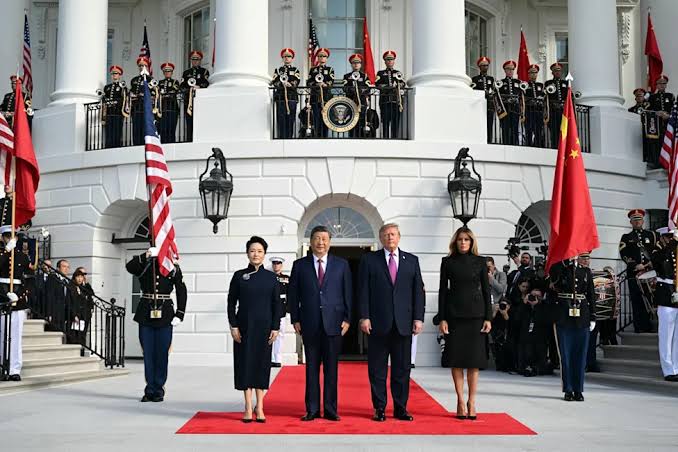
Chinese President Xi Jinping received the full ceremonial treatment in Washington this week as President Donald Trump welcomed him with a red carpet, a state dinner and unusually warm language about their personal relationship.
But behind the ceremony, the summit produced a more limited outcome.
The United States and China extended their trade truce for another two months, pushing its expiration from November 10 to January 10, 2027, while leaving some of the most difficult disputes between the world's two largest economies unresolved.
Those disagreements include tariffs, China's position in global rare earth supply chains, access to advanced American semiconductor technology and the future of Taiwan.
The result leaves Washington and Beijing with additional time to negotiate but does not amount to a comprehensive settlement of their economic rivalry.
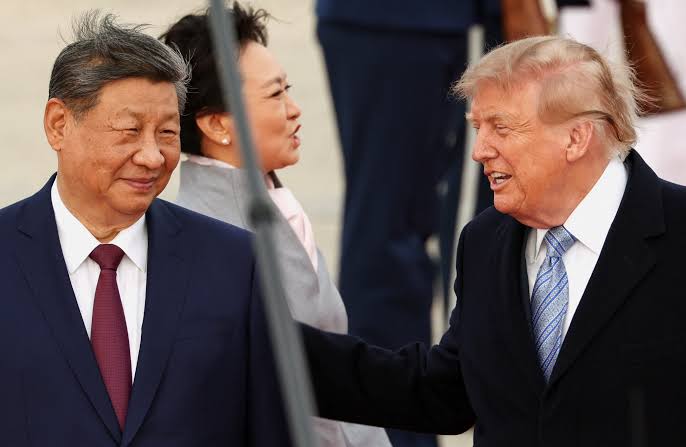
Trump publicly emphasised his relationship with Xi during the visit, describing their relationship in warm terms as the two governments attempted to stabilise ties following months of trade tensions.
For Beijing, the visit also provided powerful diplomatic imagery.
Xi was greeted personally by Trump after arriving in the United States and subsequently received the ceremonial treatment associated with a state visit.
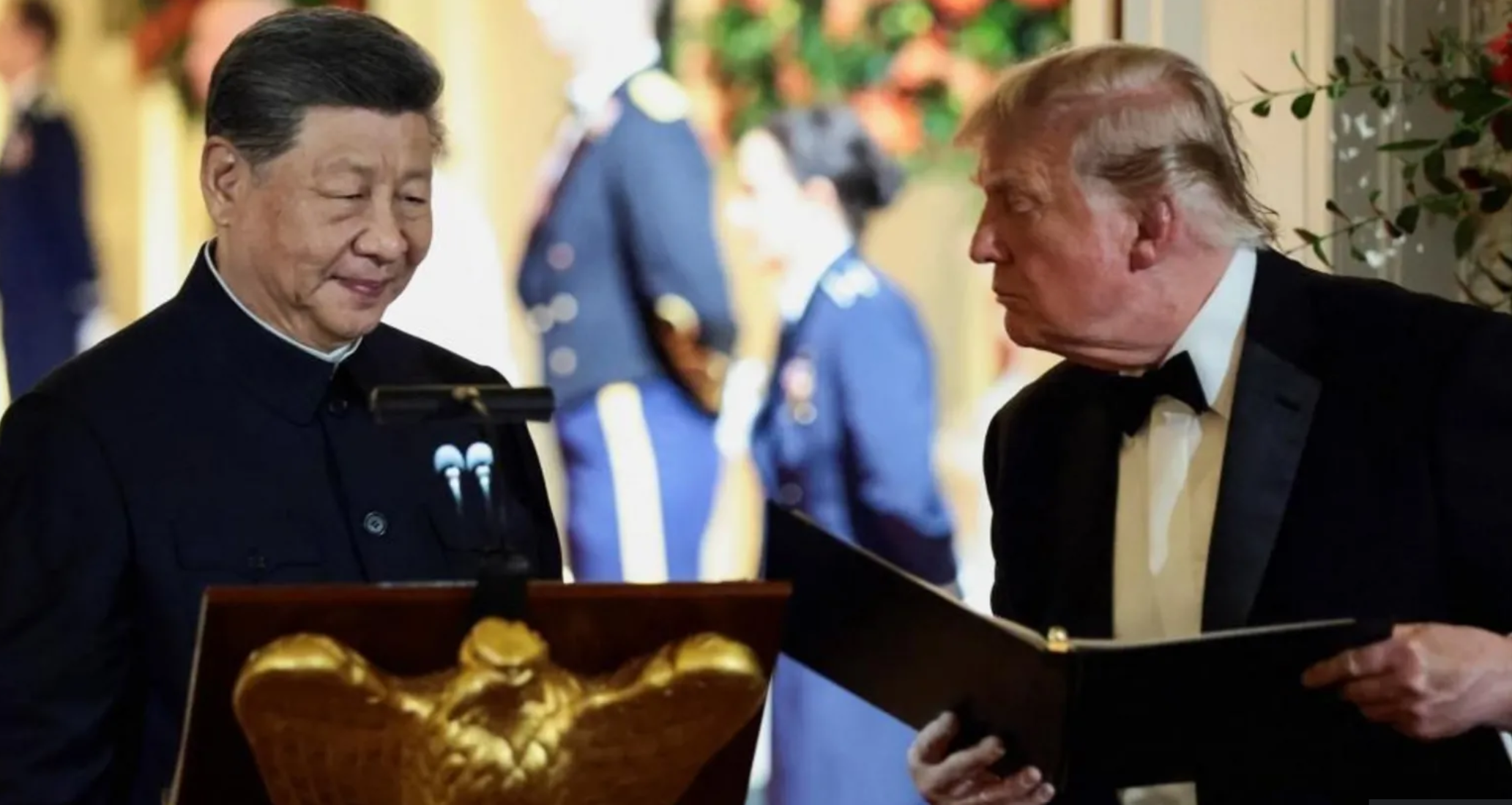
The leaders attended a state dinner as Washington sought to demonstrate that diplomatic engagement between the two countries remained possible despite their disagreements.
But the relatively short extension of the trade truce underlined how much remains unresolved.
The temporary arrangement prevents an immediate return to the escalating tariff measures that had threatened trade between the countries.
It does not permanently settle the tariff dispute.
Instead, negotiators now face another deadline in January.
Rare earth minerals remain one of the most important issues.
China holds a dominant position in the processing of several critical minerals required for products ranging from electric vehicles and smartphones to military equipment and advanced technology.
Washington has been attempting to reduce its dependence on Chinese supply chains, while Beijing has demonstrated that restrictions involving critical minerals can provide substantial leverage in trade negotiations.
Advanced semiconductors represent another major source of tension.
The United States has imposed restrictions designed to limit China's access to some of the world's most advanced chips and semiconductor manufacturing technology.
Washington has justified those measures partly on national security grounds.
Beijing has repeatedly criticised American technology restrictions, arguing that Washington is attempting to suppress China's economic and technological development.
Artificial intelligence has added another dimension to the competition.
Trump and Xi discussed AI during their Washington meetings, but neither government announced a major bilateral agreement establishing common safety rules or restrictions on development.
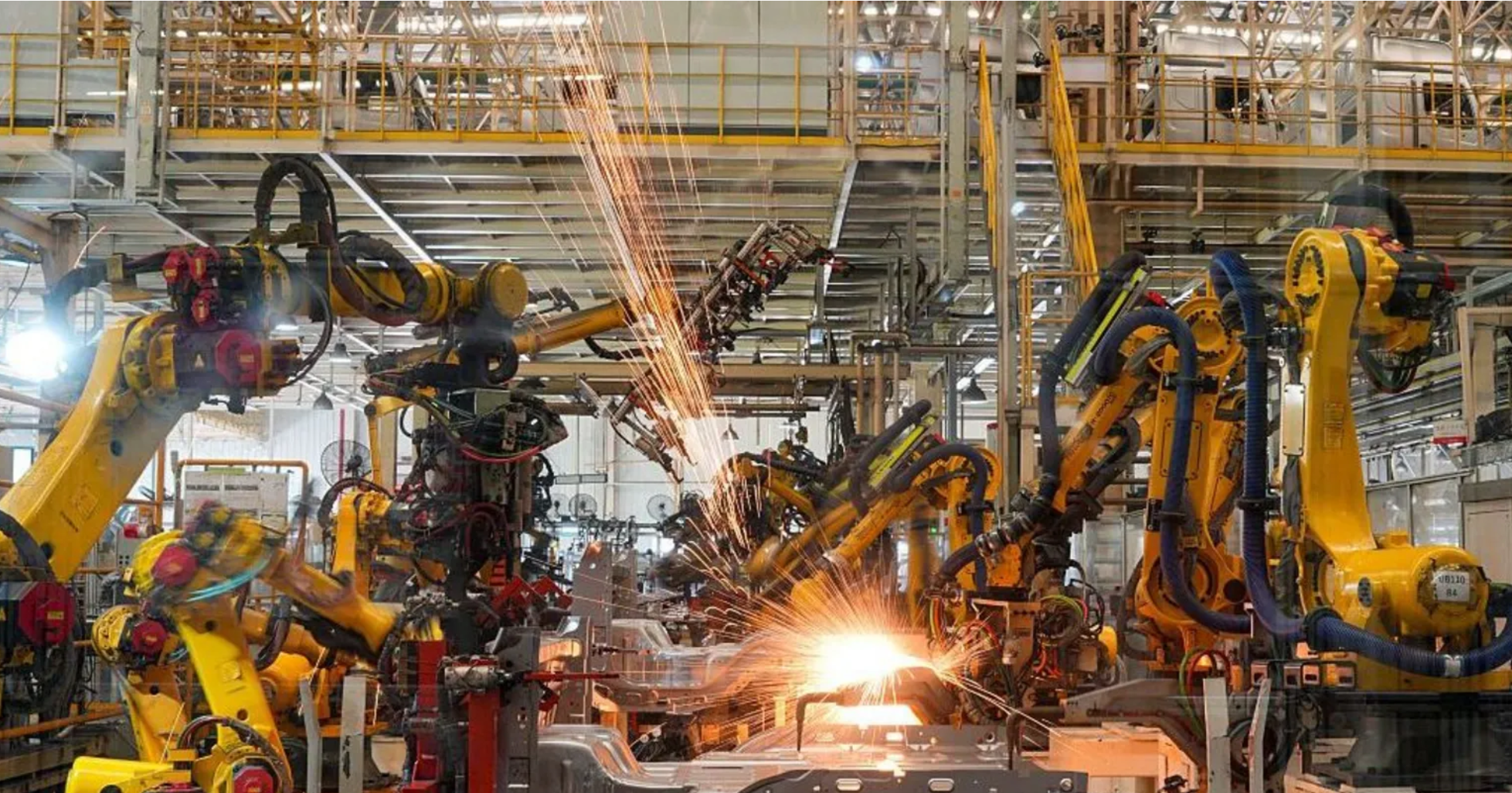
Xi stressed the importance of ensuring that artificial intelligence remains under human control.
The two countries are simultaneously competing to establish leadership in advanced AI technology, computing infrastructure and semiconductor development.
Taiwan remains potentially the most dangerous disagreement in the relationship.
Beijing considers Taiwan part of China and has not ruled out the use of force to achieve what it describes as reunification.
Taiwan operates as a self-governing democracy with its own government, military and political institutions.
The United States does not maintain formal diplomatic relations with Taiwan but is required under the Taiwan Relations Act to make defensive arms available to the island.
Xi again raised the issue during his Washington visit.
He urged the United States to maintain what Beijing describes as the correct position of opposing Taiwanese independence.
The issue has become particularly sensitive amid debate in Washington over future American weapons sales to Taiwan.
Trump has not publicly announced a fundamental change in American Taiwan policy following the summit.
That leaves one of the most consequential areas of disagreement between Washington and Beijing unresolved.
The economic backdrop also matters for China.
Chinese exports remain an important contributor to economic activity while Beijing continues dealing with weakness in its domestic property sector and concerns surrounding consumer demand and employment.
That makes continued access to major overseas markets economically significant for Beijing.
Washington, meanwhile, is attempting to secure changes in Chinese trade practices while reducing American dependence on supply chains considered strategically vulnerable.
Those competing priorities help explain why negotiations have repeatedly produced temporary arrangements rather than a comprehensive economic settlement.
There were nevertheless softer diplomatic gestures during Xi's visit.
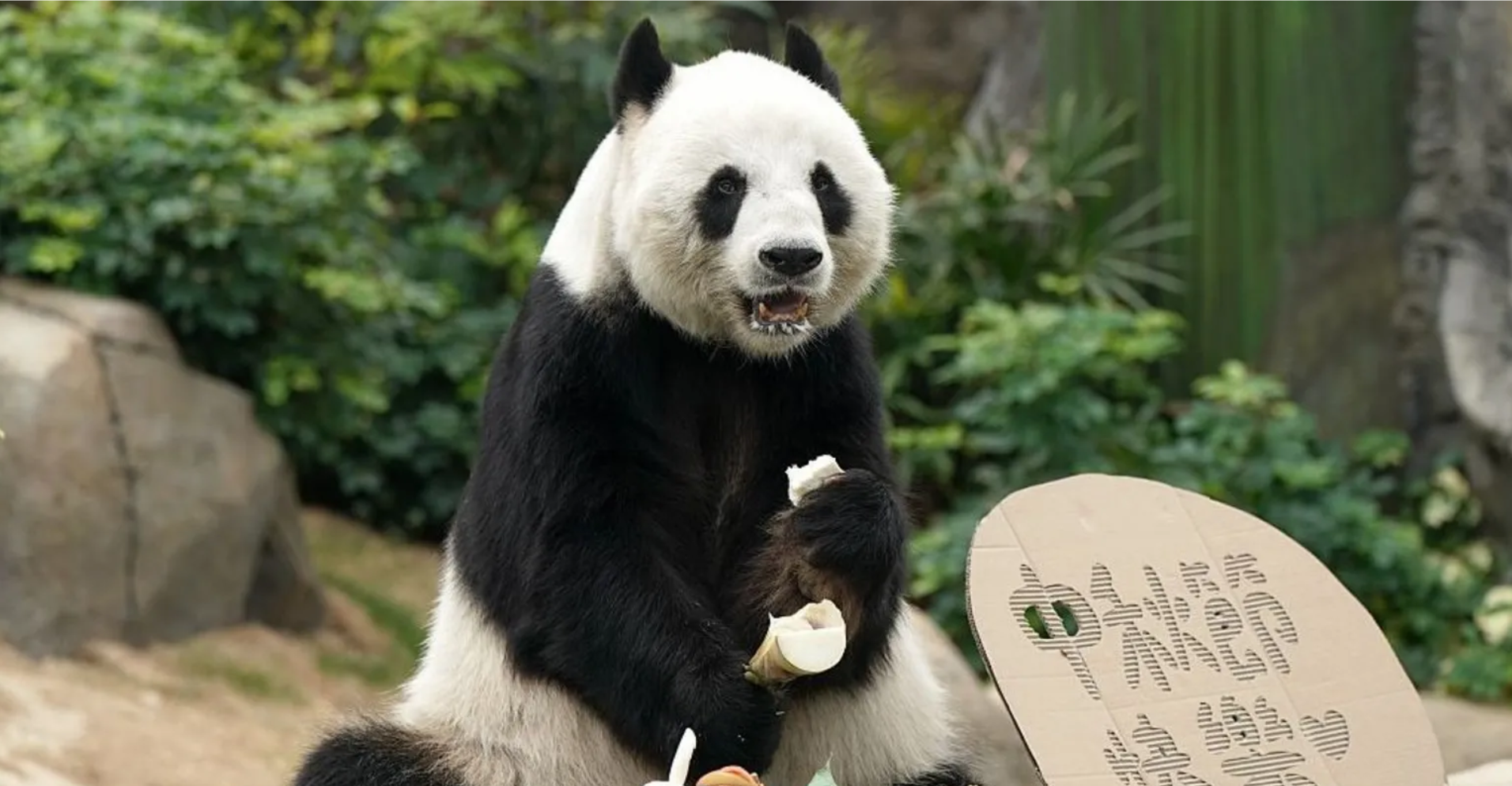
China confirmed that giant pandas Ping Ping and Fu Shuang would soon arrive in Atlanta, marking another chapter in Beijing's longstanding use of panda loans as a symbol of diplomatic engagement.
The announcement provided a lighter moment during a summit dominated by trade, technology and security.
Trump and Xi are also expected to continue their engagements on Friday, meaning additional announcements remain possible.
But the outcome so far illustrates the complicated nature of the relationship.
Washington and Beijing appear interested in preventing their rivalry from escalating uncontrollably.
Neither side, however, has abandoned the policies at the centre of their strategic competition.
China wants greater access to American markets and technology and opposes Washington's restrictions on its economic development.
The United States continues to challenge Chinese trade practices, protect sensitive technologies and maintain its longstanding security relationship with Taiwan.
The ceremonial welcome demonstrated that Trump and Xi are prepared to maintain direct engagement.
The short trade truce demonstrated something equally important.
The fundamental competition between the United States and China remains very much alive.