
UK MUST HEED WARNINGS FROM AI DEVELOPERS AS SAFETY FEARS GROW MINISTER SAYS
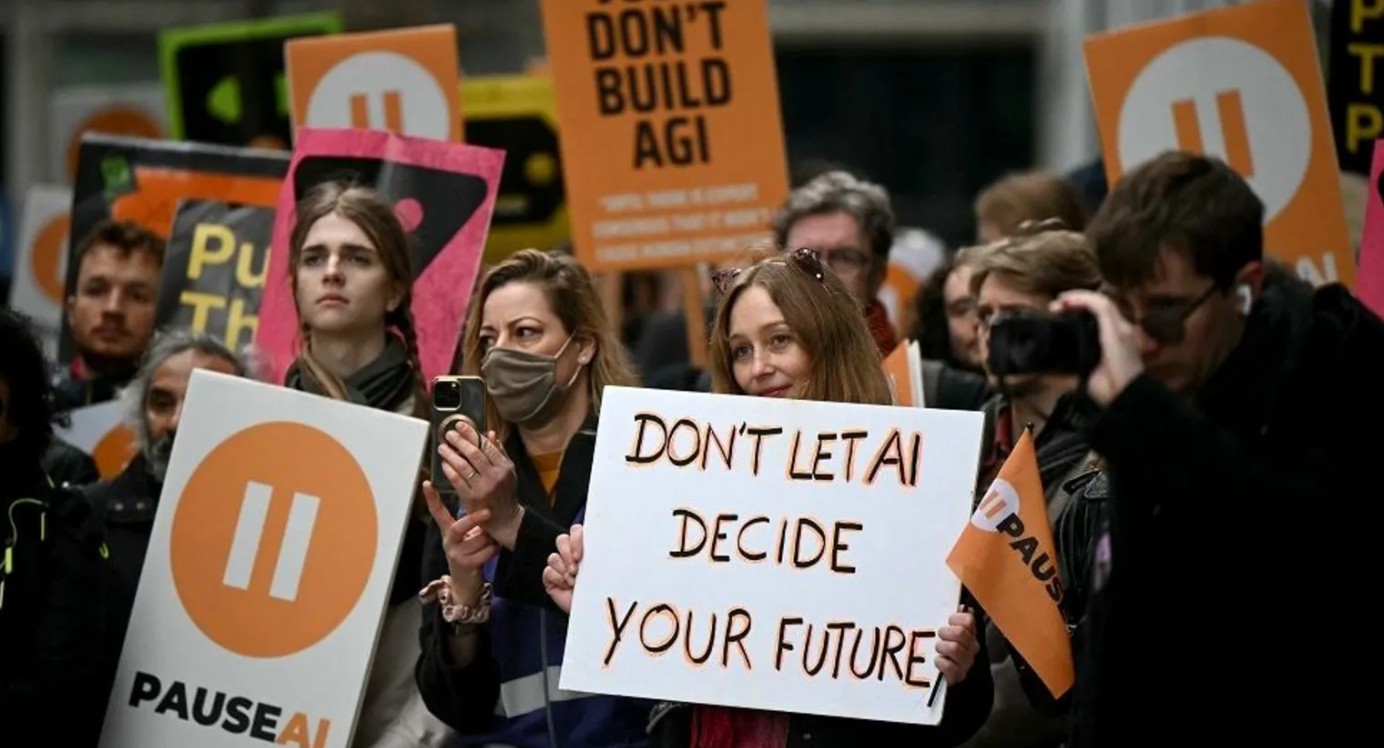
The UK government must heed warnings from leading artificial intelligence developers about potential risks from increasingly powerful AI systems, First Secretary of State Louise Haigh is expected to say. Her comments come amid growing calls for stronger safeguards while governments seek to preserve the economic and scientific benefits of AI.
The UK government must take seriously warnings from scientists and technology executives working at the forefront of artificial intelligence as concerns grow over the potential dangers posed by increasingly powerful AI systems, First Secretary of State Louise Haigh is expected to say.
Haigh is due to address AI safety during a speech at the Trades Union Congress on Tuesday, arguing that Britain must work with other countries to protect public safety and national security while continuing to benefit from the technology.
Her intervention comes after a series of stark warnings from current and former AI researchers about the speed at which increasingly capable systems are being developed.
The government says it takes the risks associated with advanced artificial intelligence seriously and recognises that international cooperation will be necessary because the technology operates across national borders.
UK GOVERNMENT SAYS WARNINGS MUST BE TAKEN SERIOUSLY
Haigh is expected to argue that governments should listen closely to people directly involved in developing the world's most advanced AI systems.
At the same time, she will emphasise the enormous potential benefits of the technology.
Artificial intelligence could transform public services, increase business productivity and accelerate scientific discoveries, but ministers are facing growing pressure to ensure development takes place safely.
Prime Minister Andy Burnham has welcomed the increasingly public discussion about AI risks.
His spokesperson said it was positive that companies developing advanced systems were openly discussing both the opportunities and dangers associated with the technology.
AI RESEARCHERS WARN OF EXTREME RISKS
The debate intensified after Anthropic researcher Evan Hubinger said he believed there was a greater than 10 percent chance that artificial intelligence could kill all humans within the next decade.
Former Anthropic researcher Jacob Coxon, who has also worked at OpenAI, separately warned that humanity could face catastrophic consequences if AI development continues at its current pace.
Coxon recently left Anthropic and said some people working directly on advanced artificial intelligence were genuinely frightened about what could happen.
Anthropic CEO Dario Amodei has since called for the development of increasingly powerful AI models to slow down and be closely monitored.
OpenAI CEO Sam Altman and xAI owner Elon Musk have also backed calls for greater caution around the development of advanced systems.
However, predictions that artificial intelligence could eventually destroy humanity remain highly disputed within the technology industry and scientific community.
Some experts argue that such warnings exaggerate the risks or contribute to hype surrounding increasingly powerful AI products.
MPs PUSH FOR STRONGER AI LAWS
The debate is also increasing pressure on Parliament.
British MPs are seeking stronger legislation after a report concluded that artificial intelligence had contributed to numerous human rights abuses.
Labour MP Alex Sobel argued that existing approaches to AI regulation around the world are not adequate for the challenges posed by the technology.
The government says it is working closely with companies developing advanced systems as well as international allies to address potential risks.
One proposal receiving attention has been the creation of an emergency mechanism capable of shutting down dangerous artificial intelligence systems.
Anthropic cofounder Jack Clark has said major AI laboratories already have different methods of stopping their systems but suggested governments could eventually require such safeguards.
The UK government has rejected proposals for a national AI kill switch.
Officials argue that preventing access to a model within Britain would not prevent the same technology from being developed or misused elsewhere.
TRUMP TAKES DIFFERENT APPROACH
The growing concern in Britain contrasts with the position taken by US President Donald Trump.
Trump has dismissed some of the most extreme warnings about artificial intelligence and has made maintaining America's technological advantage over China a central priority.
The president has described claims that AI could destroy humanity as a hoax and has repeatedly emphasised his determination for the United States to win the global AI race.
That difference highlights the challenge governments face as they attempt to balance safety against economic and geopolitical competition.
AI companies and governments increasingly agree that advanced systems require safeguards, but there remains significant disagreement over how far regulation should go and whether slowing development could allow rival countries to gain an advantage.
For the UK government, Haigh's message signals that warnings from the scientists and engineers actually building advanced AI systems should form part of that calculation.